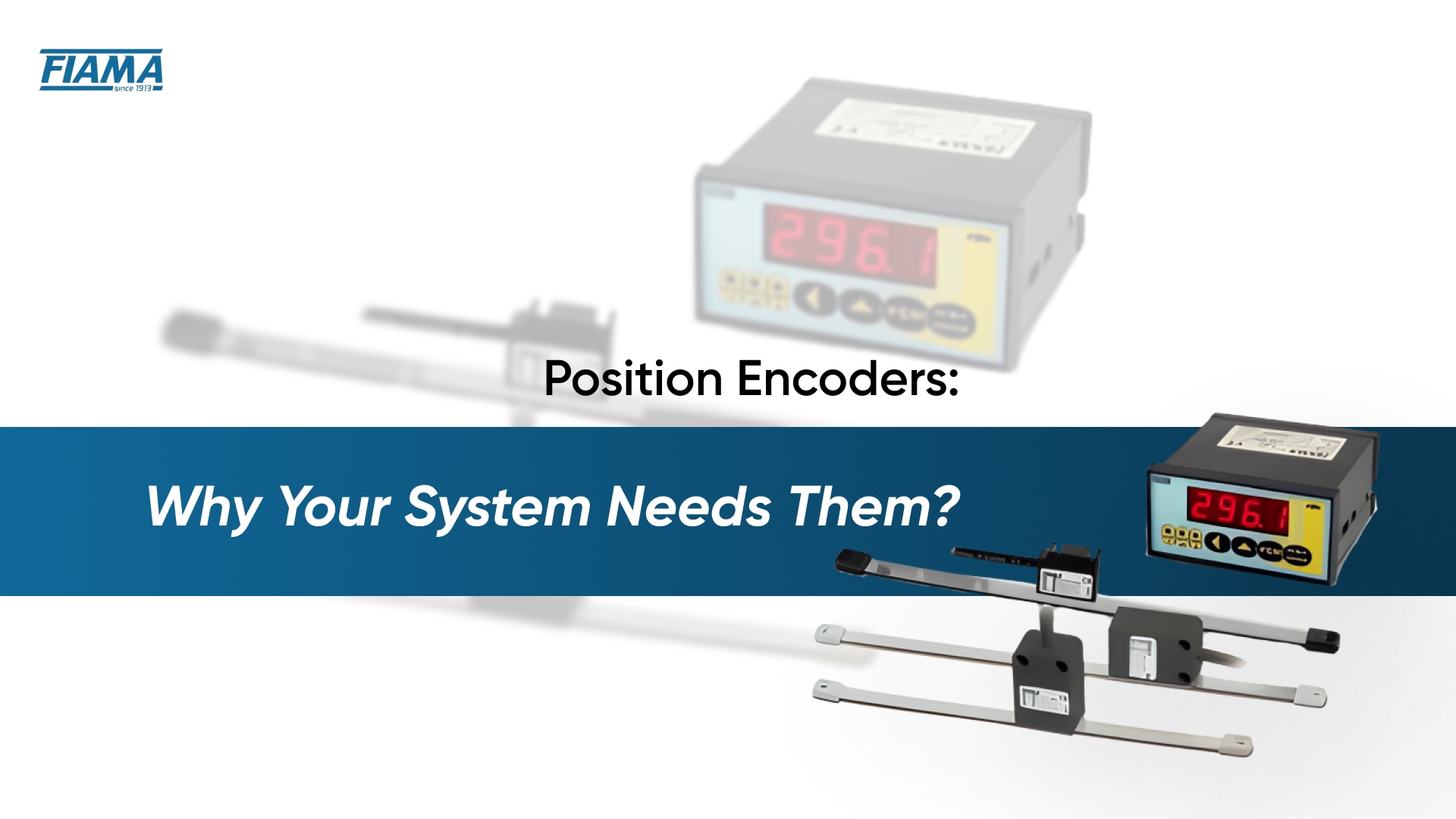

Position indicators provide real-time feedback on the position of valves, actuators, and other critical equipment, ensuring everything is functioning correctly.
Without accurate position data, operations risk equipment failures, errors, and safety issues. Delayed or incorrect data can create blind spots, leading to costly downtime.
Position indicators solve this by offering precise, real-time feedback. With the market set to reach $4 billion by 2033, their importance is undeniable.
However, not all position indicators are equal. Some lack the durability or accuracy needed for demanding environments. Choosing the right manufacturer is key to maintaining reliable, efficient operations.
Here’s a list of the top industrial position indicator manufacturers in the USA, trusted for their precision and durability.
Key Takeaways:
FIAMA delivers mechanical and electronic indicators with IP54-rated protection and multi-digit displays, backed by a century-long commitment to quality and innovation.
SIKO Global specializes in electronic position indicators with high-resolution data output and native support for Modbus, Profibus, and other industrial communication protocols for easy PLC and SCADA integration.
Elesa provides both manual and electronic position indicators with strong alignment features, offering facilities a smooth transition path from mechanical to digital feedback as automation needs evolve.
J.W. Winco bridges analog simplicity with digital precision through mechanical dial indicators and modern digital displays, using proven gear train technology that performs consistently across temperature ranges.
Dwyer Omega builds weatherproof valves and rotary position indicators with sealed housings that withstand moisture, dust, vibration, and corrosive atmospheres in punishing industrial environments.
What Is an Industrial Position Indicator?
An industrial position indicator displays the exact position of moving components in machinery. It translates mechanical movement into visual or electronic signals, such as digital readouts, LED displays, or analog output.
These signals provide operators with instant confirmation of valve openings, actuator strokes, shaft positions, and gate movements, eliminating the need for physical inspection.
Core Functions of Industrial Position Indicators
Position indicators serve several key functions that support optimal equipment performance and operational efficiency. They create a continuous feedback loop that protects equipment and output quality. Here’s a quick rundown of their core functions:
Position Verification: Confirms whether valves, gates, shafts, and actuators have reached their intended positions. Eliminates guesswork and prevents partial openings that compromise process integrity.
Real-Time Monitoring: Delivers immediate status updates to operators and control systems. Catches positioning errors before they cascade into production delays or safety incidents.
Fault Detection: Identifies mechanical issues like stuck valves or failing actuators early. Alerts maintenance teams to problems while they're still manageable and inexpensive to fix.
Process Documentation: Records position data for compliance reporting and quality audits. Creates verifiable trails that prove equipment performed as specified during production runs.
Remote Accessibility: Enables monitoring from central control rooms without floor visits. Reduces labor costs while improving response times when adjustments become necessary.
Types of Industrial Position Indicators
Position indicators come in several configurations, each suited to different operational needs. The right choice depends on your environment, accuracy requirements, and integration preferences.
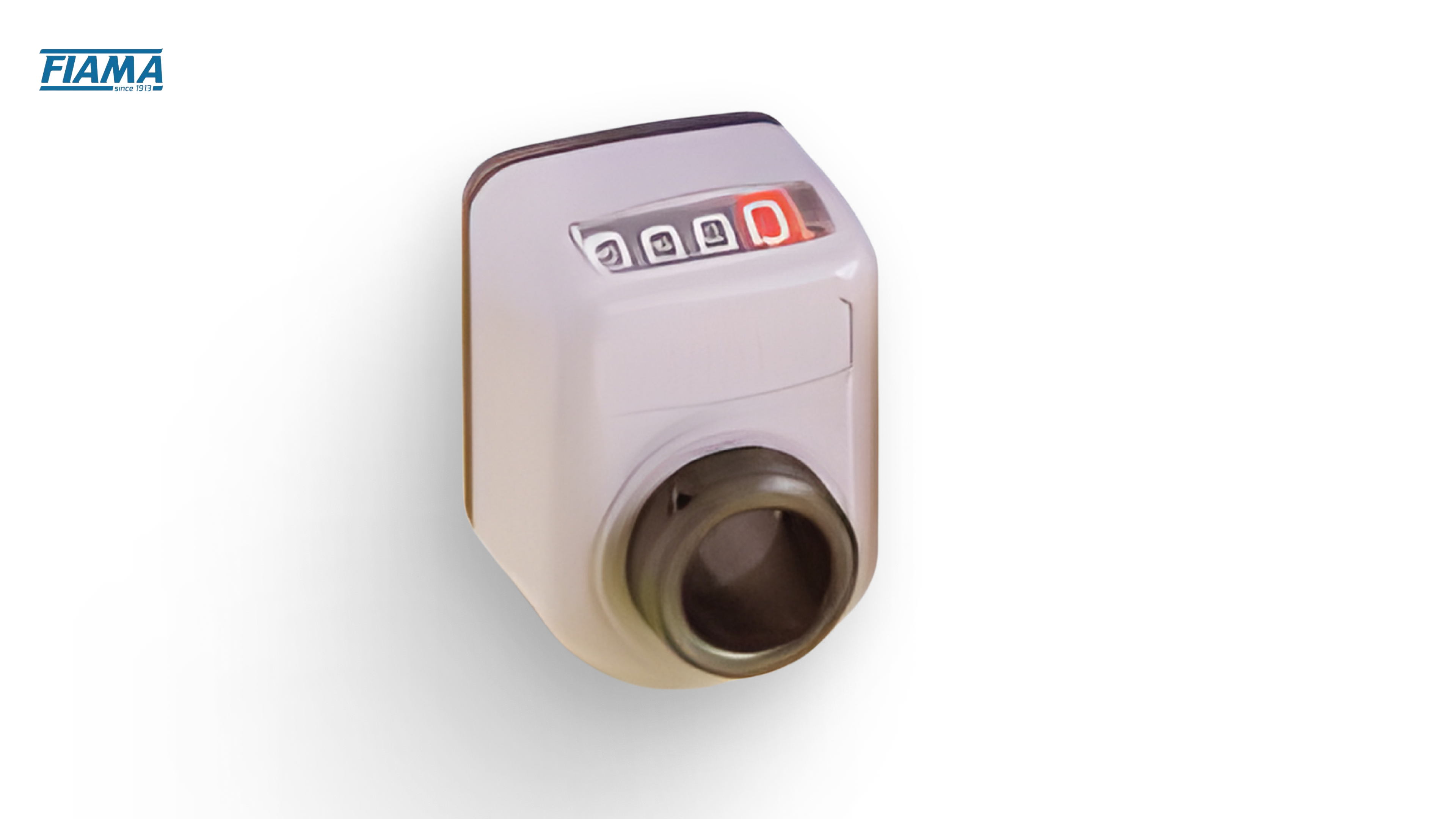
Mechanical Position Indicators: Use direct physical connections to display position through dials or scales. Require no external power and excel in hazardous locations where electronics pose risks.
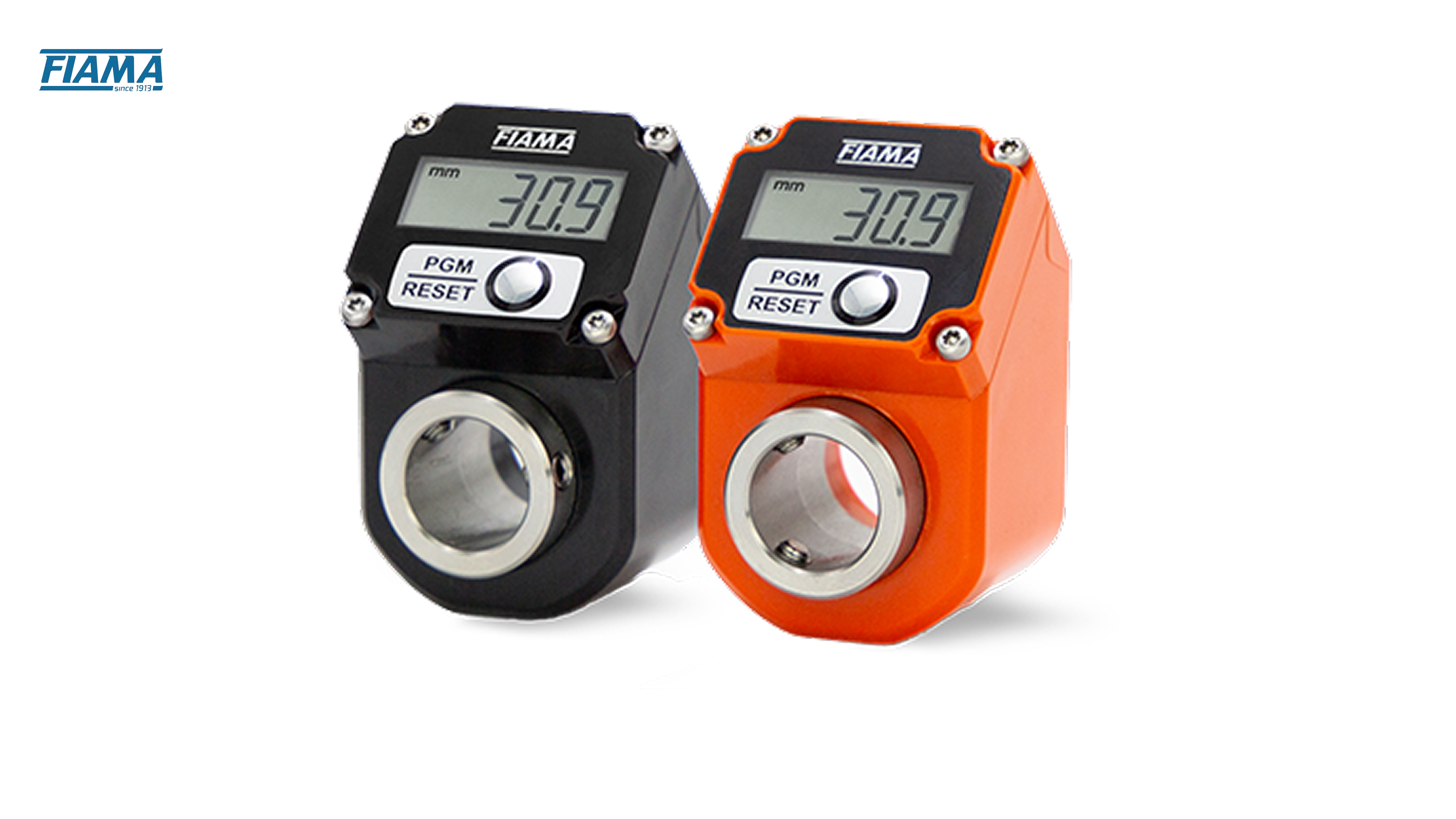
Electronic Position Indicators: Convert mechanical position into electrical signals for digital displays and system integration. Offer precise readings and hassle-free connectivity with automated control networks.
Visual Position Indicators: Provide at-a-glance confirmation through color-coded flags or illuminated displays. Allow quick status checks from a distance without requiring close examination or instrumentation.
Limit Switch Position Indicators: Trigger electrical contacts when components reach specific positions. Enable automated responses and interlock sequences that protect equipment from unsafe operating conditions.
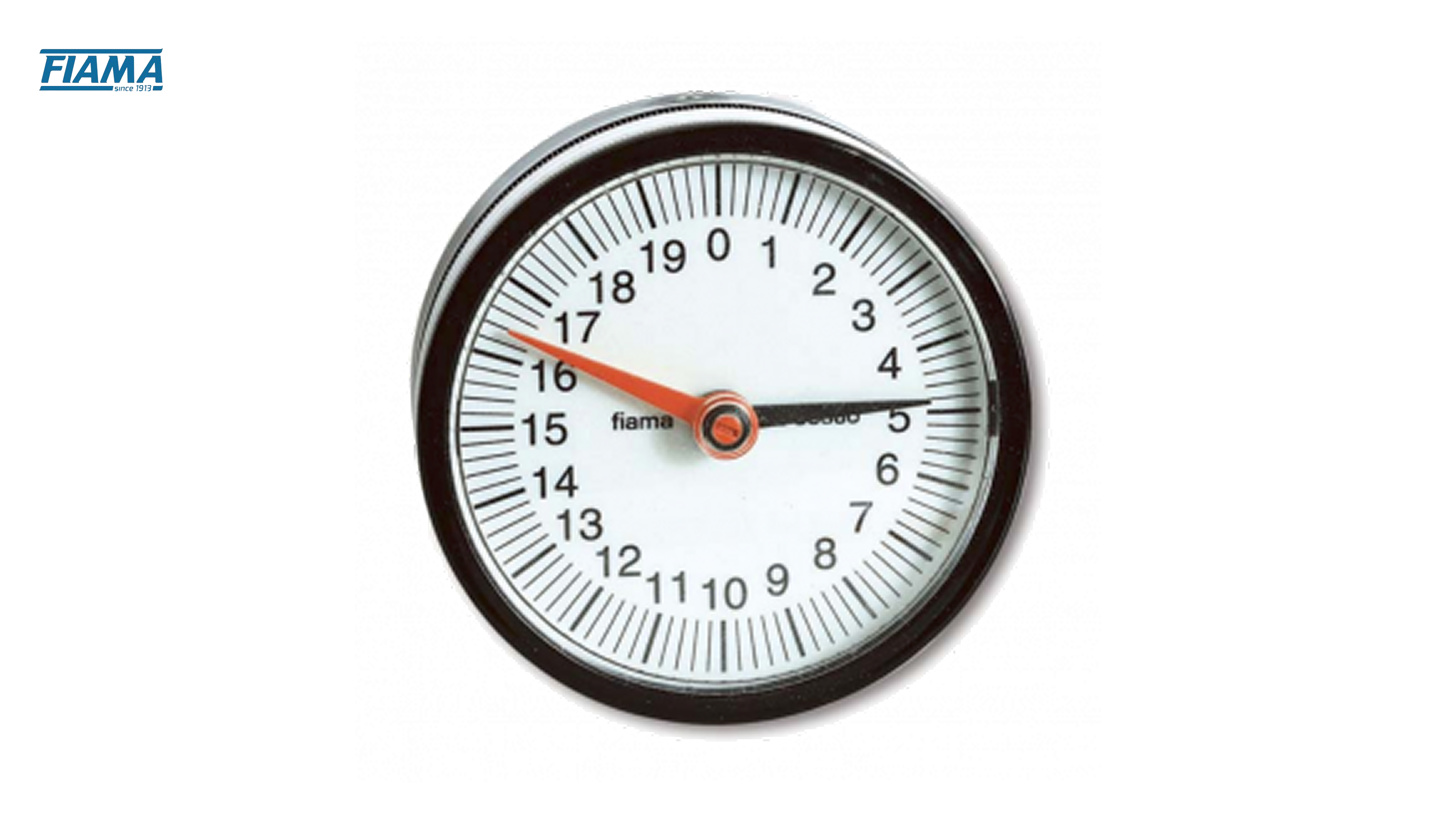
Analog Position Indicators: Output continuous voltage or current signals proportional to position. Support variable control strategies and provide granular data for process optimization efforts.
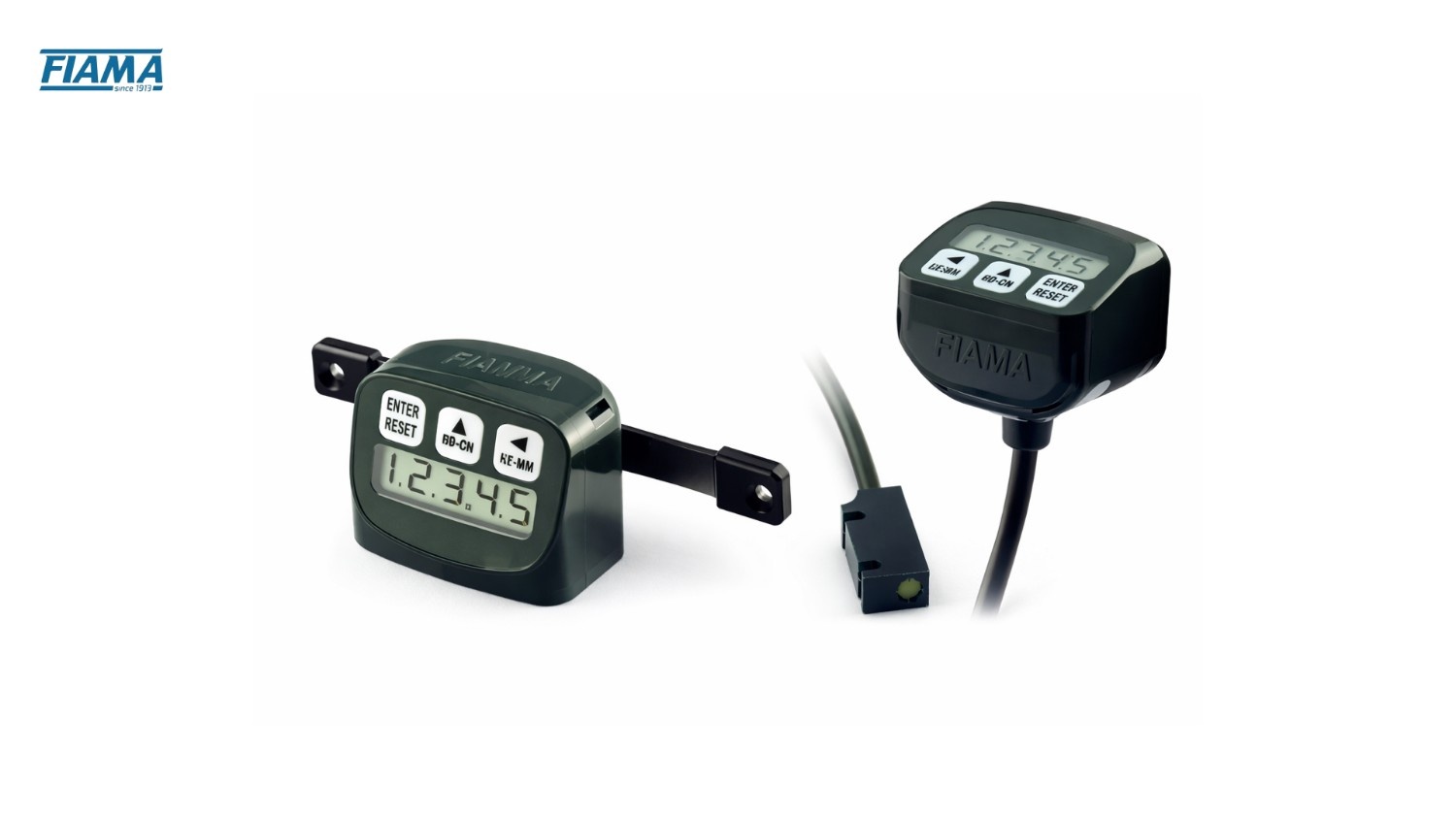
Digital Readouts: Digital readouts provide precise, real-time position feedback with clear displays, easy integration, and durability in harsh industrial environments.
Roundup of 5 Best Industrial Position Indicator Manufacturers in the USA
Manufacturer | Product Focus | Key Strengths |
|---|---|---|
Mechanical & Electronic Position Indicators | Delivers comprehensive position feedback solutions for rotating shafts and angular positioning. Balances mechanical durability with electronic precision for demanding applications. | |
SIKO Global | Electronic Position Indicators | Offers a wide selection of digital displays and electronic feedback systems suited for precision control. |
Elesa | Manual & Electronic Position Indicators | Delivers both manual and electronic options with strong alignment and positioning features. |
J.W. Winco | Analog/Digital Position Indicators | Provides mechanical and digital position indicators that display exact part positions for precise machinery control. |
Dwyer Omega | Valve & Rotary Position Indicators/Switches | Weatherproof, rugged indicators and switches with multiple output options for harsh environments. |
1. FIAMA
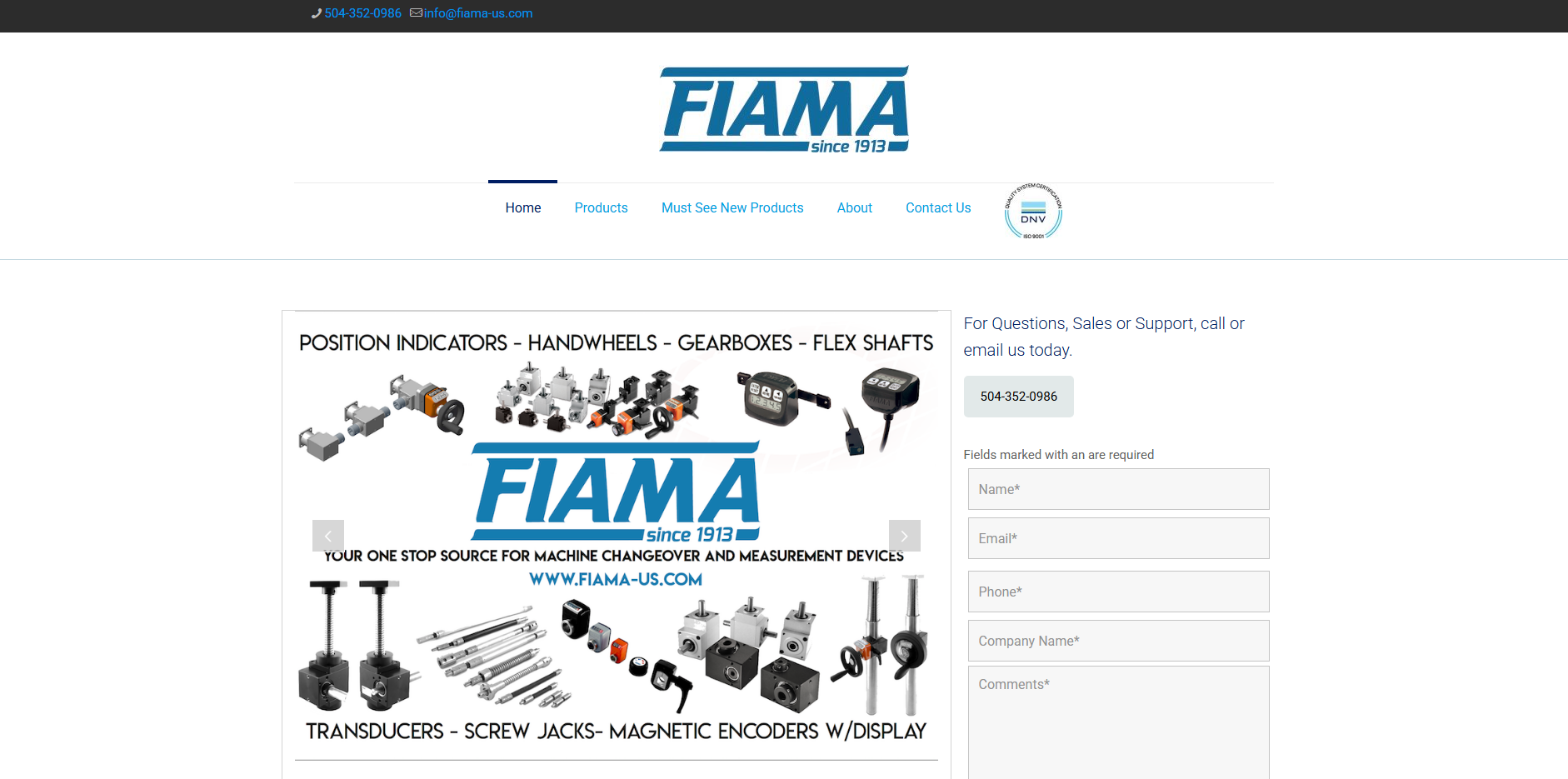
FIAMA brings over a century of Italian manufacturing expertise to position indication technology. Our company specializes in mechanical and electronic solutions designed specifically for industrial equipment across food processing, packaging, wood manufacturing, and automation sectors.
Every product emerges from their Parma, Italy factory, where research, development, and production happen under one roof.
This integrated approach ensures complete quality control throughout the manufacturing process. FIAMA holds UNI-EN-ISO 9001:2008 certification, reflecting our commitment to consistent excellence.
Our product line spans from simple mechanical counters to sophisticated programmable electronic indicators. Customization capabilities allow us to modify standard designs for unique application requirements.
Why Choose FIAMA?
Fast Changeover Support: Mechanical position indicators with clear digit displays speed up equipment adjustments during product transitions. Reduces downtime between runs and eliminates measurement errors that slow changeover processes.
Measurement Precision: Multi-digit displays with decimal options provide the accuracy needed for tight tolerance work. Graduated scales and programmable count ratios adapt to various shaft pitches and movement requirements.
Harsh Environment Durability: Shock-proof technopolymer cases with IP54 protection withstand industrial conditions. Welded seams keep contaminants out while maintaining readability in challenging temperatures up to 70°C.
Long-Term Reliability: Battery-powered electronic models run for four years on replaceable batteries. Mechanical versions require no power at all, ensuring continuous operation regardless of electrical issues.
Application Flexibility: Hollow shaft designs, gravity indicators for horizontal shafts, and panel mount options cover diverse installation needs. Special-purpose variants handle unique angular measurements and control dial applications.
FIAMA's deep industry focus means their position indicators address real production floor challenges. When precision measurement and reliable changeover matter, their Italian-engineered solutions deliver consistent performance.
2. SIKO Global
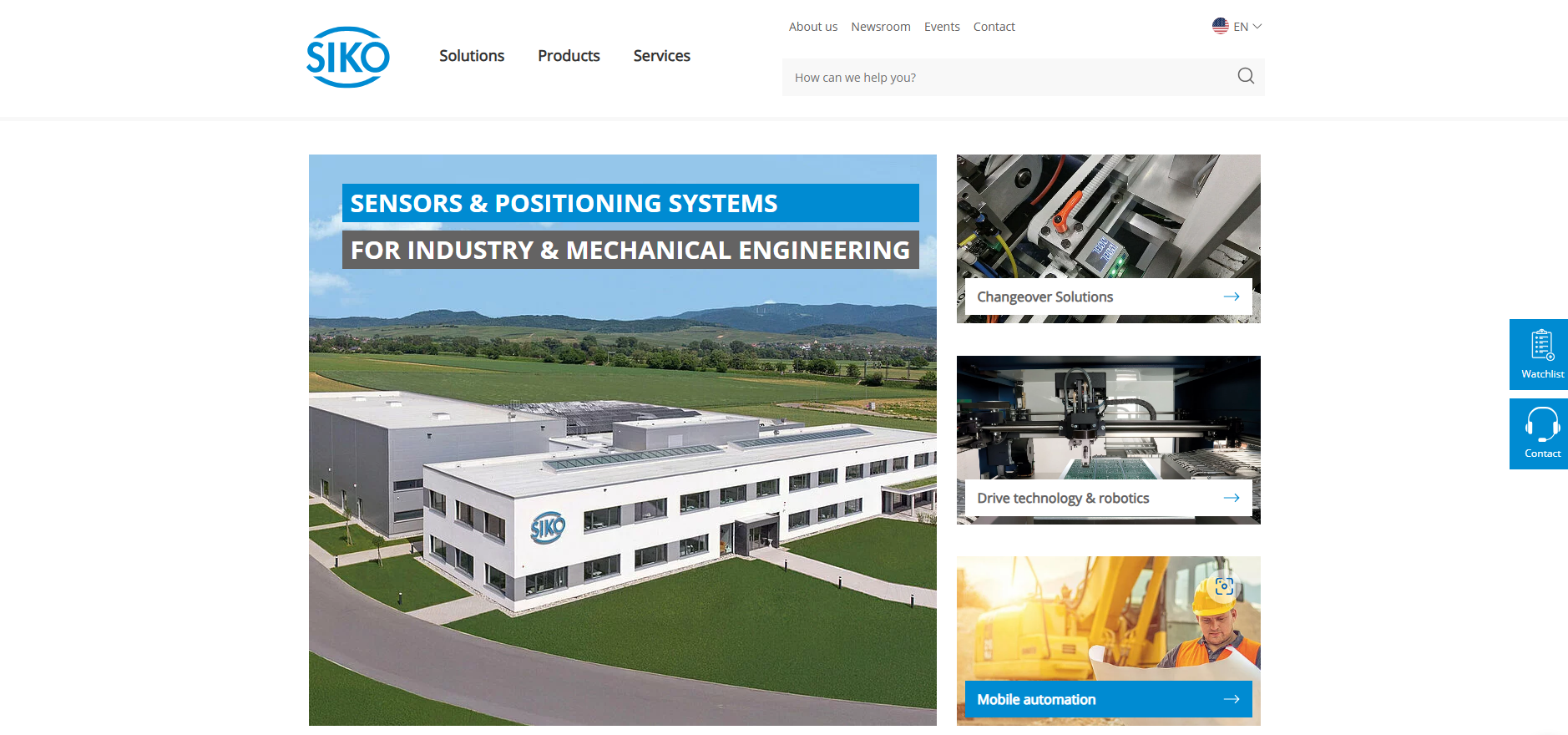
SIKO Global concentrates on electronic position indicators that integrate seamlessly with modern control systems. Their digital displays and feedback mechanisms provide the precision data that automated processes demand.
The company's strength lies in creating position sensors that communicate effectively with PLCs and SCADA networks.
Why Choose SIKO Global?
Wide Product Selection: Extensive range of digital displays suits various mounting configurations and readability requirements. Multiple communication protocols ensure compatibility with existing automation infrastructure.
Precision Control Integration: Electronic feedback systems deliver high-resolution position data for closed-loop control applications. Supports sophisticated positioning strategies that mechanical indicators cannot achieve.
Programmable Functionality: Configurable parameters adapt indicators to different shaft pitches and measurement units. Simplifies installation across multiple machine types without hardware modifications.
Industrial Communication Standards: Native support for Modbus, Profibus, and other protocols enables direct connection to control networks. Eliminates the need for signal conversion hardware and reduces wiring complexity.
3. Elesa
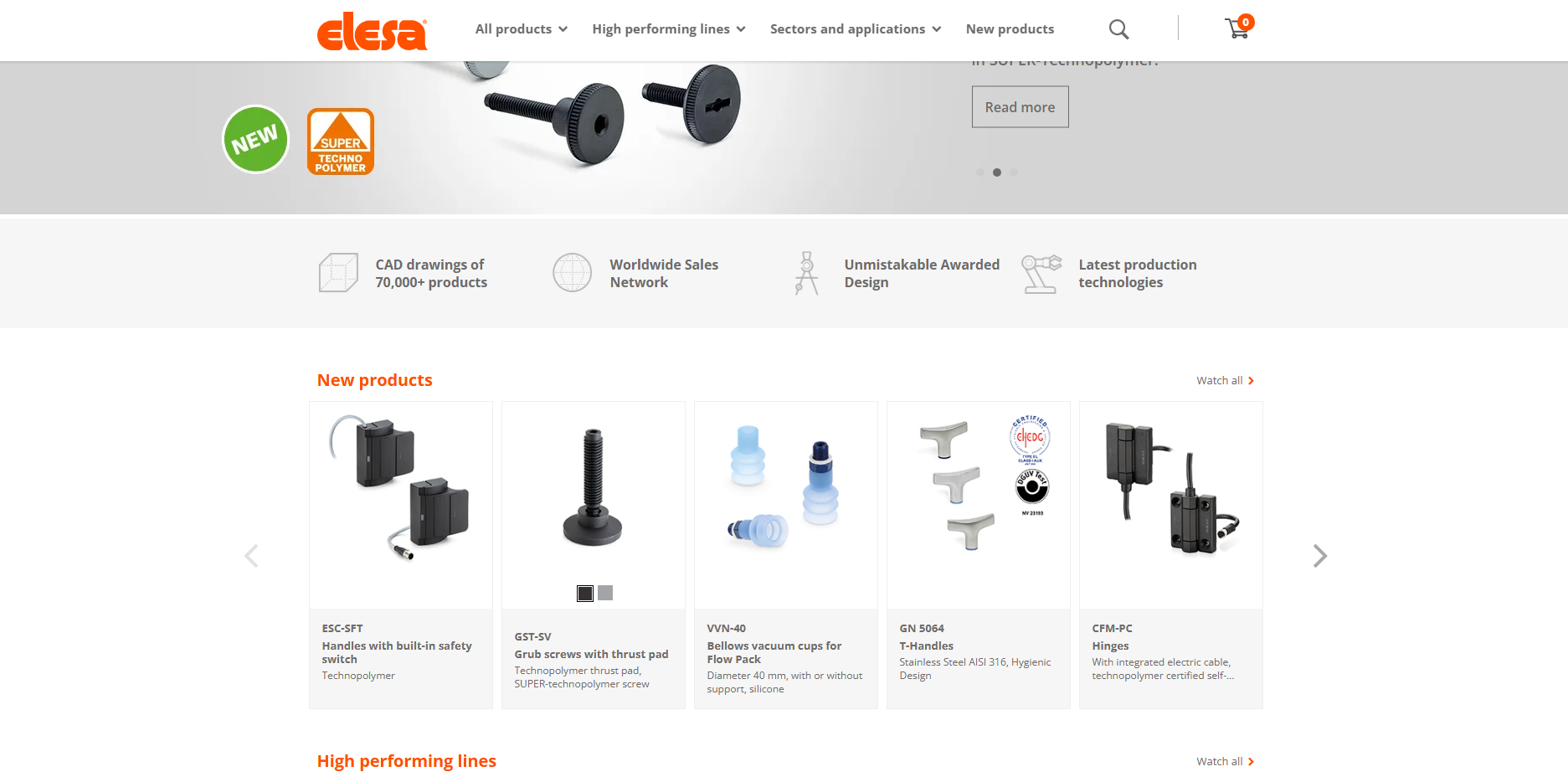
Elesa produces position indicators that span both manual and electronic technologies. Their dual focus allows facilities to choose appropriate feedback methods based on specific application needs. Strong alignment features make their indicators particularly useful where precise positioning verification matters most.
Why Choose Elesa?
Manual Indicator Simplicity: Mechanical options provide reliable position feedback without power requirements or electronic failure risks. Ideal for applications where visual confirmation suffices and electrical integration isn't necessary.
Electronic Enhancement Options: Digital versions add remote monitoring and system integration capabilities when automation demands more. Smooth transition path from manual to electronic as facility needs evolve.
Alignment Optimization: Design emphasis on positioning accuracy helps achieve tight tolerances in assembly and machining operations. Reduces setup time and improves consistency across production runs.
Versatile Mounting Solutions: Broad range of installation options accommodates different machine configurations and space constraints. Standardized dimensions simplify replacement and upgrades across equipment fleets.
4. J.W. Winco
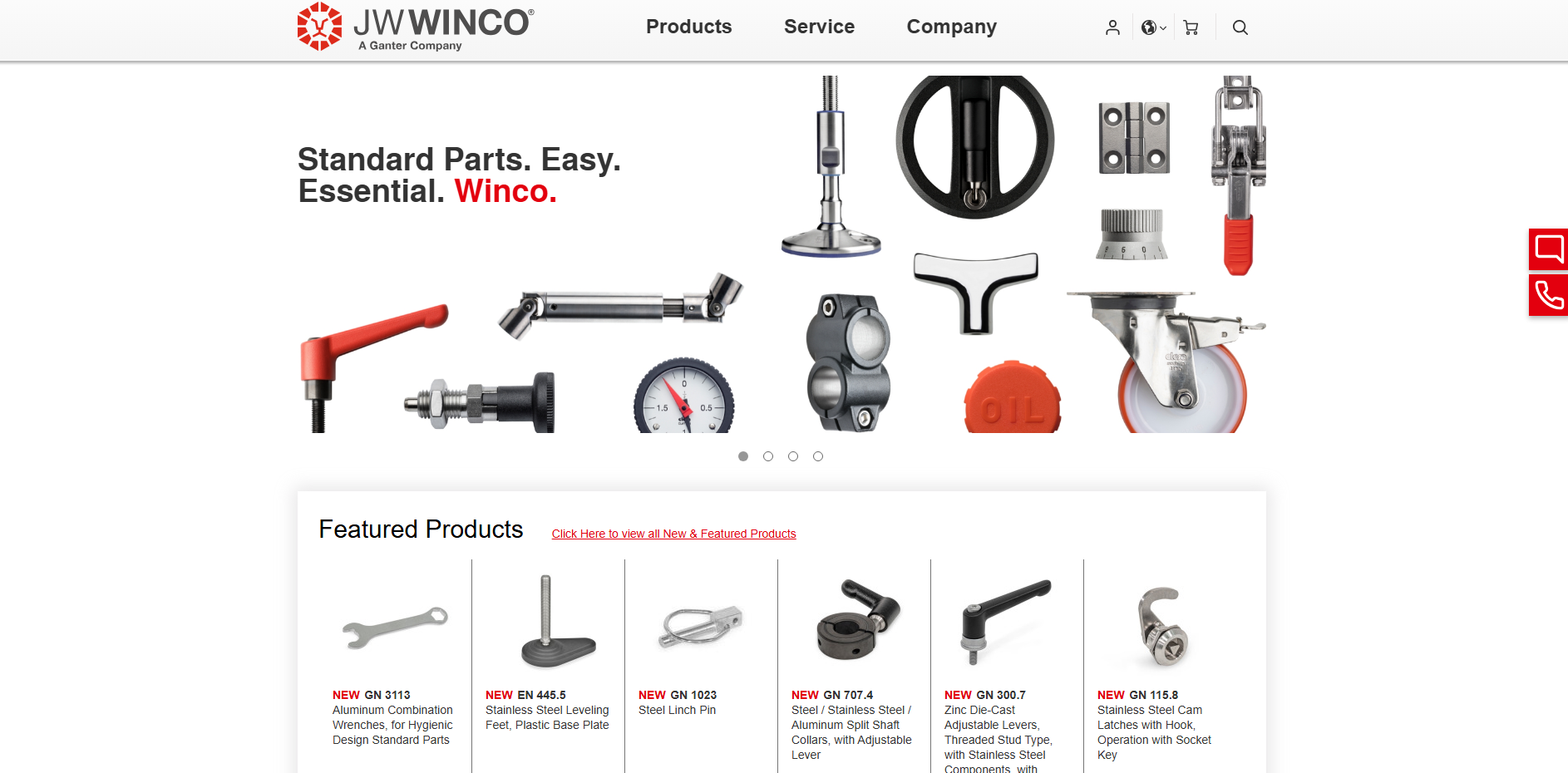
J.W. Winco manufactures position indicators that bridge analog simplicity with digital precision. Their product line includes both mechanical dial-type indicators and modern digital displays.
This variety lets operations select the right feedback method for each specific machinery control requirement.
Why Choose J.W. Winco?
Exact Position Display: Clear numerical readouts show precise part locations for applications requiring tight positioning control. Eliminates ambiguity in machine setup and adjustment procedures.
Mechanical Reliability: Analog indicators use proven gear train technology that performs consistently across temperature ranges. No electronics to fail in electrically noisy or extreme temperature environments.
Digital Accuracy: Electronic models provide higher resolution readouts for applications where fractional positioning matters. Support data logging and remote monitoring when integrated with control systems.
Machinery Control Focus: Designs specifically address common positioning challenges in production machinery and tooling equipment. Practical mounting options fit standard machine tool configurations without custom brackets.
5. Dwyer Omega
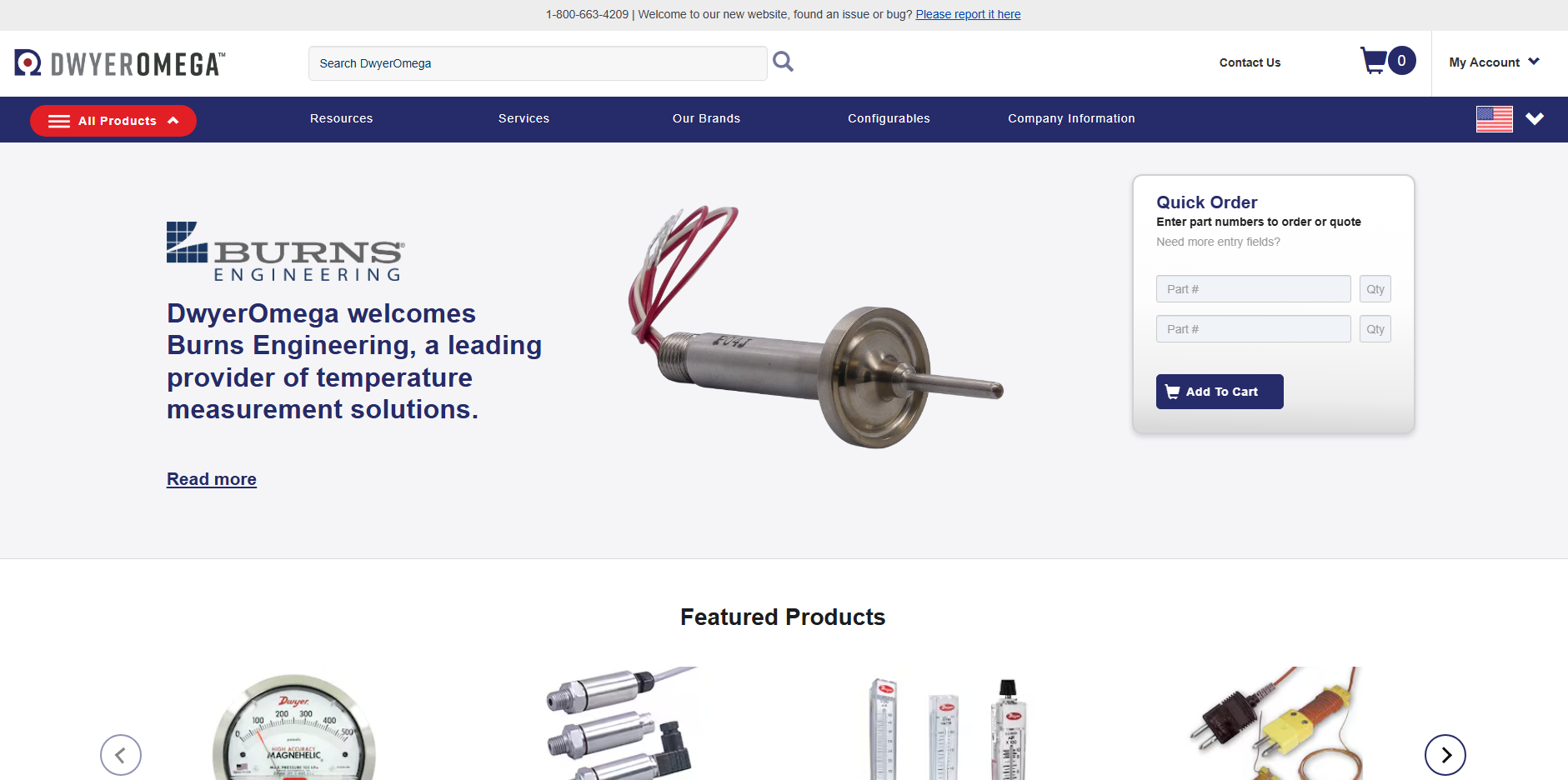
Dwyer Omega specializes in valve and rotary position indicators built to survive punishing industrial environments. Their weatherproof designs handle exposure that would destroy standard position feedback devices. Multiple output options provide flexibility in how position data reaches operators and control systems.
Why Choose Dwyer Omega?
Weatherproof Construction: Sealed housings protect internal components from moisture, dust, and chemical exposure in outdoor installations. Maintains accuracy and reliability where environmental protection determines equipment longevity.
Harsh Environment Performance: Rugged designs withstand vibration, temperature extremes, and corrosive atmospheres common in process industries. Reduces replacement frequency and maintenance costs in challenging locations.
Multiple Output Configurations: Various signal types, including switches, analog outputs, and digital protocols, suit different control strategies. Single product family covers basic indication through sophisticated process control integration.
Valve Application Expertise: Purpose-built designs for valve position monitoring address specific challenges in flow control applications. Mounting options fit standard valve actuators without extensive modification or custom hardware.
Common Issues With Industrial Position Indicators
Even quality position indicators face challenges in demanding environments. Recognizing these problems early helps you maintain reliability and prevent unexpected failures.
Calibration Drift: Sensors lose accuracy over time due to vibration, temperature swings, and mechanical wear. Readings gradually diverge from true positions, creating false confidence in equipment status.
Environmental Contamination: Dust, moisture, and chemical exposure degrade components and obscure visual displays. Sealed units resist longer, but maintenance access becomes more difficult when protection fails.
Signal Interference: Electrical noise from motors and drives corrupts electronic position data. Shielding and proper grounding help, though severe interference still causes intermittent communication failures.
Mounting Stress: Improper installation creates mechanical strain that accelerates component fatigue. Misalignment between the indicator and the actuator produces binding, inaccurate readings, and premature failure.
Temperature Extremes: Heat and cold affect both electronic components and mechanical linkages differently. Materials expand and contract at varying rates, throwing off calibration and damaging seals.
Mechanical Backlash: Worn gears and loose connections introduce play between actual and displayed positions. Small gaps compound over time, making indicators increasingly unreliable for precision applications.
How to Choose the Right Industrial Position Indicator Manufacturer?
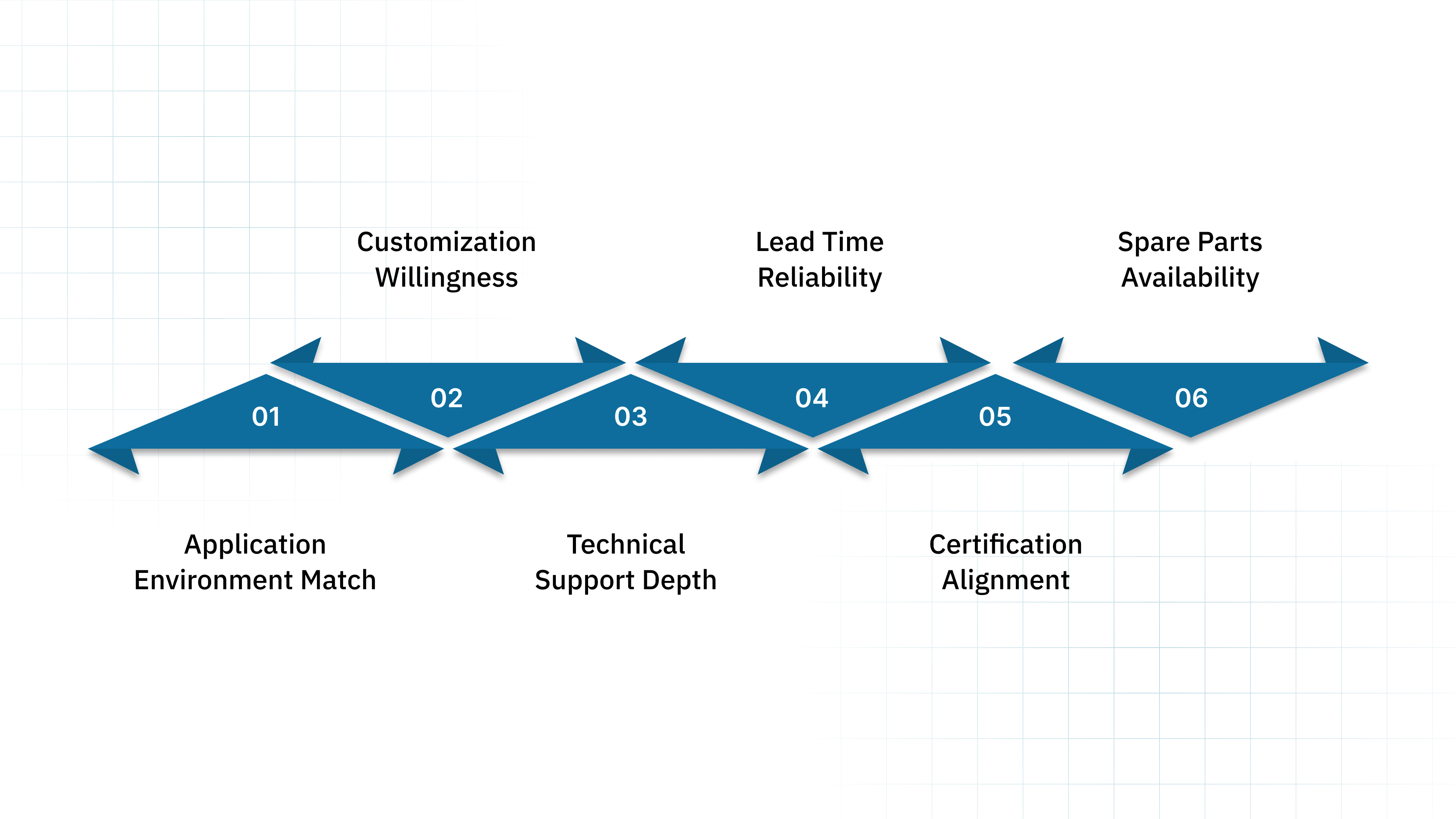
The right manufacturer aligns with how your equipment operates and where it fails most often. Look beyond specifications to find partners who understand your production realities.
Application Environment Match: Evaluate whether the manufacturer has proven experience in conditions similar to yours. Temperature extremes, washdown requirements, and chemical exposure demand specific design approaches that generic suppliers often miss.
Customization Willingness: Assess how readily they modify standard products for unique mounting challenges or unusual shaft configurations. Off-the-shelf solutions rarely fit perfectly when retrofitting older equipment or working with non-standard machinery.
Technical Support Depth: Determine if their team can troubleshoot installation issues and recommend optimal configurations for your setup. Product manuals help, but complex integrations need engineers who grasp the bigger picture.
Lead Time Reliability: Confirm their ability to deliver consistently when production schedules depend on timely installations. Manufacturing location and inventory practices directly affect how quickly you receive critical replacement components.
Certification Alignment: Verify their quality systems match your industry requirements and audit standards. ISO certifications and industry-specific approvals reduce compliance headaches and ensure consistent manufacturing processes.
Spare Parts Availability: Check whether replacement components remain accessible years after initial purchase. Equipment runs for decades, and indicators become useless when simple repairs require complete unit replacement.
Why Choose FIAMA As Your Go-to Manufacturer for Industrial Position Indicators?
FIAMA brings over a century of precision engineering experience to industrial position indicators. Our integrated manufacturing facility in Parma, Italy, handles everything from design through production, ensuring consistent quality across every unit.
This single-source approach eliminates the quality gaps that emerge when engineering and manufacturing operate separately.
Our Offerings:
Hollow Shaft Position Indicators: Display linear motion or angles from shaft rotation, compatible with ball screws and lead screws for precise measurement feedback.
OP2, OP3, OP5, OP6/OP6T Position Indicators: Mechanical indicators ranging from 3-digit to 5-digit displays, available with customizable decimal configurations for various precision requirements.
OP10 Dual Position Indicator: Two synchronized position displays in one unit, available with 5-digit readout and customizable rotation directions for complex applications.
OP12 Position Indicator: Dual 5-digit mechanical indicator with standard red decimal digit, customizable to two red digits for hundredths precision when applications demand it.
OL2 Panel Mount Position Indicator: Mechanical 4-digit panel indicator for displaying angles, distances, and other measurements with motion transmitted through precision gearing.
Battery Powered Programmable Indicators: Electronic 5-digit displays with front keypad programming, four-year battery life, and fully customizable count ratios for flexible installation.
Handwheel Position Indicators: Reliable solutions for accurate tracking in horizontal and vertical shaft applications with analog, digital, and programmable options.
AP Panel Mount Position Indicator: Mechanical reaction panel mount indicator, perfect for viewing adjustments such as angles or movement with a graduated circular scale, or a combination of graduated scale and 4 or 5-digit digital readout.
Conclusion
Position indicators keep your operations visible and predictable when precision counts most. The manufacturers we've covered each bring distinct capabilities to industrial positioning challenges.
Your choice depends on environmental demands, integration requirements, and the specific feedback your processes need. Quality position indication prevents the small calibration drift that becomes expensive downtime later.
FIAMA combines Italian engineering heritage with practical solutions for food processing, packaging, wood manufacturing, and automation equipment.
Our mechanical and electronic indicators handle demanding conditions while delivering the measurement accuracy your changeovers and tight-tolerance work require. Over a century of manufacturing experience means we've solved positioning challenges similar to yours.
Have queries or need an itemized quote? Connect with us today.
FAQs
What defines the best industrial position indicator manufacturer in the USA?
The best manufacturers deliver precision, durability, reliable feedback, strong compatibility with systems, and responsive support for industrial applications.
Which industries benefit most from these manufacturers?
Food processing, packaging, woodworking, and automation industries gain the most from high‑quality position indicators.
Do top manufacturers offer custom indicators?
Yes, leading manufacturers often provide custom configurations to match specific motion, display, or installation needs.
Are electronic indicators more accurate than mechanical ones?
Electronic indicators typically offer higher precision and easier integration with automated systems, while mechanical models suit simpler use cases.
How can I evaluate if a manufacturer meets my needs?
Compare product specs, durability ratings, compatibility with your equipment, and support options before choosing a manufacturer.