When it comes to industrial machinery, selecting the right gearbox is a critical decision that can significantly affect both operational efficiency and long-term costs. The gearbox you choose can affect how your equipment performs, its energy consumption, and even its overall lifespan. Among the various gearbox types available, the helical bevel gearbox has earned a reputation for its efficiency, durability, and performance across multiple industries.
In this guide, we will break down what a helical bevel gearbox is, how it compares to other gear types, and why efficiency is so important in your decision-making process. By the end, you’ll have a solid understanding of how to select the best helical bevel gearbox for your needs.
In a nutshell
Helical bevel gearboxes deliver higher efficiency due to smoother, angled tooth engagement.
They outperform straight bevel gearboxes in noise reduction, torque handling, and longevity.
Proper sizing based on load, speed, and environment is critical for reliability.
Installation precision and lubrication quality directly impact gearbox lifespan.
Fiama supports buyers with engineered solutions, custom configurations, and localized technical guidance.
What is a Helical Bevel Gearbox?
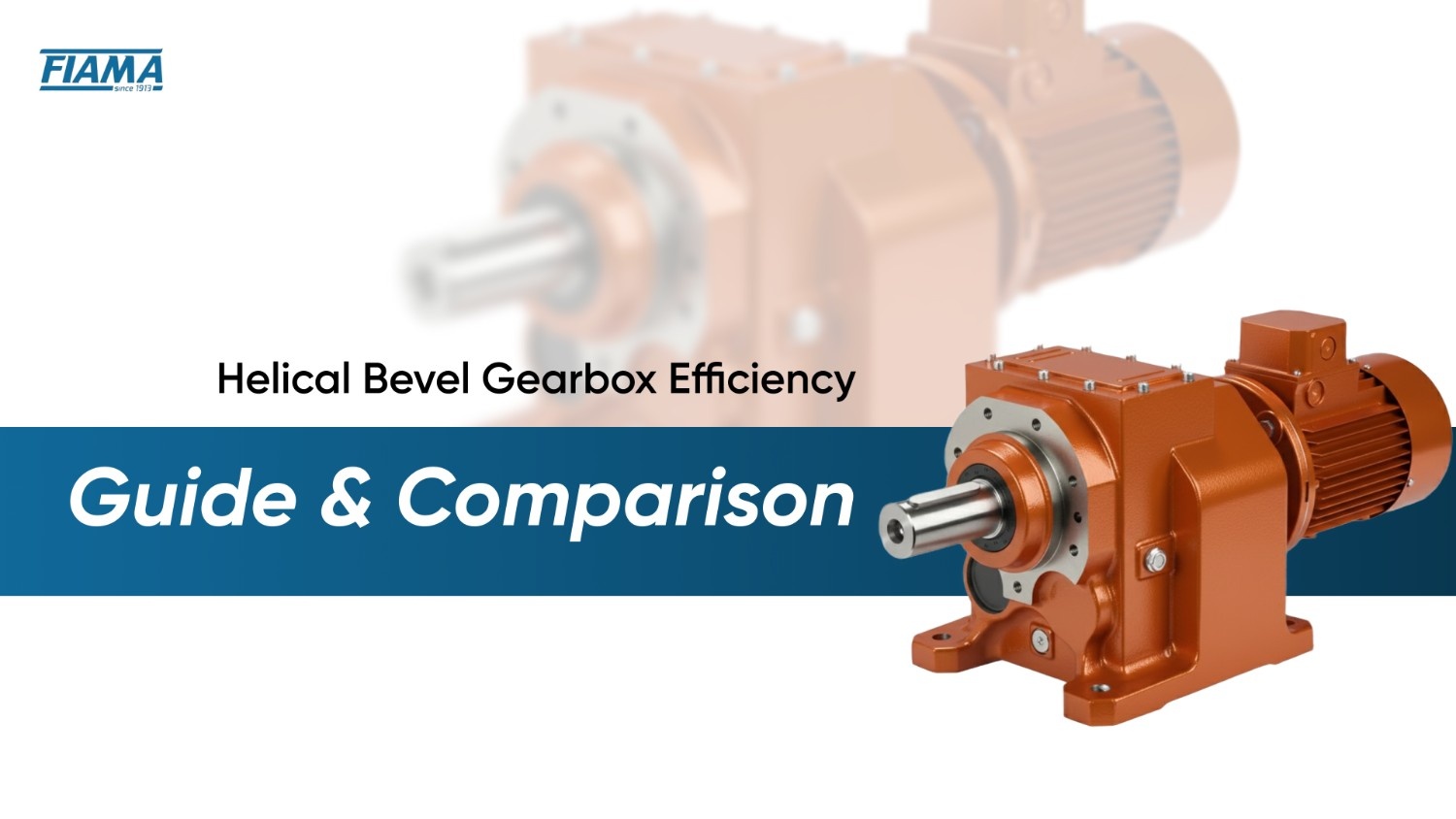
A helical bevel gearbox is a mechanical device that uses helical gears to transmit power between non-parallel shafts. In simple terms, it allows for the transfer of rotational movement at a right angle, commonly used in heavy machinery, automotive applications, and conveyor systems. The helical teeth, which are angled, engage with the mating bevel gears at an oblique angle, creating a smoother and quieter operation compared to straight bevel gears.
Key Components
The essential components of a helical bevel gearbox include:
Helical Gears: The teeth of these gears are cut at an angle to the shaft, providing a more gradual engagement, which reduces vibration and noise.
Bevel Gears: Bevel gears have cone-shaped teeth and are used to change the direction of motion.
Shafts: These connect the gears and allow the transfer of rotational motion.
Bearings: Bearings support the rotating shafts and reduce friction.
How does it work?
Helical bevel gearboxes operate by transferring power from one shaft to another at a perpendicular angle. As the power moves through the helical gears, the angled teeth engage smoothly, which not only reduces noise but also improves load handling capabilities. This design allows for greater torque capacity while operating at higher speeds, making them an ideal choice for industrial environments.
Common Applications
Helical bevel gearboxes are employed across various industries where efficient power transmission is vital. Common applications include:
Automotive Industry: For drivetrain systems in vehicles and machinery.
Conveyor Systems: Used to move goods or products in manufacturing lines.
Material Handling: In lifting systems and cranes.
Robotics: For high-precision applications requiring efficient torque transmission.
Understanding Gearbox Efficiency
Efficiency in a gearbox is the ratio of output power to input power. A more efficient gearbox will convert a higher proportion of the input energy into useful mechanical work, with little energy wasted as heat.
Various factors influence the efficiency of a gearbox:
Friction: The reduction of friction between gear teeth leads to less energy lost as heat.
Lubrication: Proper lubrication minimizes friction and reduces gear wear.
Gear Geometry: Helical teeth offer superior meshing capabilities compared to straight bevel gears, reducing energy loss.
Why Efficiency Matters?
Efficiency directly impacts both the operating costs and environmental footprint of machinery. An inefficient gearbox will waste energy, leading to higher electricity bills and more frequent maintenance due to the increased wear on gears. In contrast, an efficient gearbox not only reduces power consumption but also enhances the lifespan of both the gearbox and the equipment it’s integrated into.
For manufacturers and industrial operators, ensuring that you’re using an efficient gearbox can result in significant savings over time. Whether you’re running a manufacturing plant, a logistics hub, or any other type of heavy machinery, efficiency is a key factor in achieving cost-effectiveness.
Helical Bevel Gearbox vs. Other Gear Types
Helical bevel gearboxes are known for their balance of efficiency, durability, and cost-effectiveness. Compared to spiral bevel gearboxes, planetary gearboxes, and straight bevel gearboxes, helical bevel gearboxes offer smoother operation, reduced wear, and are more suited for general industrial applications, providing high performance at lower costs.
Below are the comparison tables:
1. Helical Bevel Gearbox vs. Spiral Bevel Gearbox
Feature | Spiral Bevel Gearbox | Helical Bevel Gearbox |
|---|---|---|
Tooth Design | Curved teeth, intricate design for smoother operation | Angled teeth for efficient meshing and smoother engagement |
Noise Level | Very quiet due to spiral tooth geometry | Quiet, but slightly noisier than spiral bevel |
Efficiency | High, but may experience more friction due to complex tooth geometry | Excellent, reduces friction and power loss |
Durability | Less durable than helical bevel, more prone to wear | Highly durable, lasts longer in heavy-duty use |
Cost | Expensive due to intricate design and manufacturing | Moderately priced, more cost-effective |
Installation Complexity | Requires precise installation and alignment | Moderate complexity, requires precision but is simpler than spiral |
Suitability | Best for high-precision applications with low torque | Ideal for general industrial applications, particularly where high torque is required |
2. Helical Bevel Gearbox vs. Planetary Gearbox
Feature | Planetary Gearbox | Helical Bevel Gearbox |
|---|---|---|
Design Complexity | Compact design with multiple gears, space-saving | Larger and bulkier but highly efficient |
Efficiency | High efficiency, optimized for torque and compactness | Superior efficiency, ideal for general industrial use |
Torque Capacity | Can handle high torque, especially in confined spaces | Excellent torque capacity for heavier loads |
Cost | Expensive, typically used in high-precision applications | Moderately priced, cost-effective for general use |
Noise Level | Quiet but may have slight mechanical noise | Quiet, smoother operation with reduced vibration |
Applications | Best for robotics, aerospace, and applications needing high precision | Ideal for industrial applications requiring durability and high power handling |
Durability | Durable, but can be less suited for rugged environments | Durable and reliable in demanding environments |
Maintenance | Low maintenance but requires precision | Requires regular maintenance, but is simpler to service |
3. Helical Bevel Gearbox vs. Straight Bevel Gearbox
Feature | Straight Bevel Gearbox | Helical Bevel Gearbox |
|---|---|---|
Tooth Design | Straight teeth with a simpler design | Angled teeth for smoother meshing and engagement |
Noise Level | Noisier due to the direct engagement of teeth | Quieter due to gradual tooth engagement |
Efficiency | Lower efficiency due to increased friction and wear | High efficiency with reduced friction and power loss |
Cost | More affordable but requires frequent maintenance | Slightly more expensive but offers long-term value |
Torque Handling | Best for lower torque applications | Suitable for high torque handling |
Installation | Simple installation, but may need frequent adjustments | Requires precision but offers stable long-term performance |
Suitability | Best for simple machinery or low-demand applications | Ideal for heavy-duty, high-power industrial equipment |
Key Advantages of Helical Bevel Gearboxes
Helical bevel gearboxes provide significant advantages, including superior efficiency, enhanced durability, smooth operation, and space-saving design. Their ability to handle high torque while minimizing noise and wear makes them ideal for demanding industrial applications, providing long-term reliability and cost savings through improved performance.
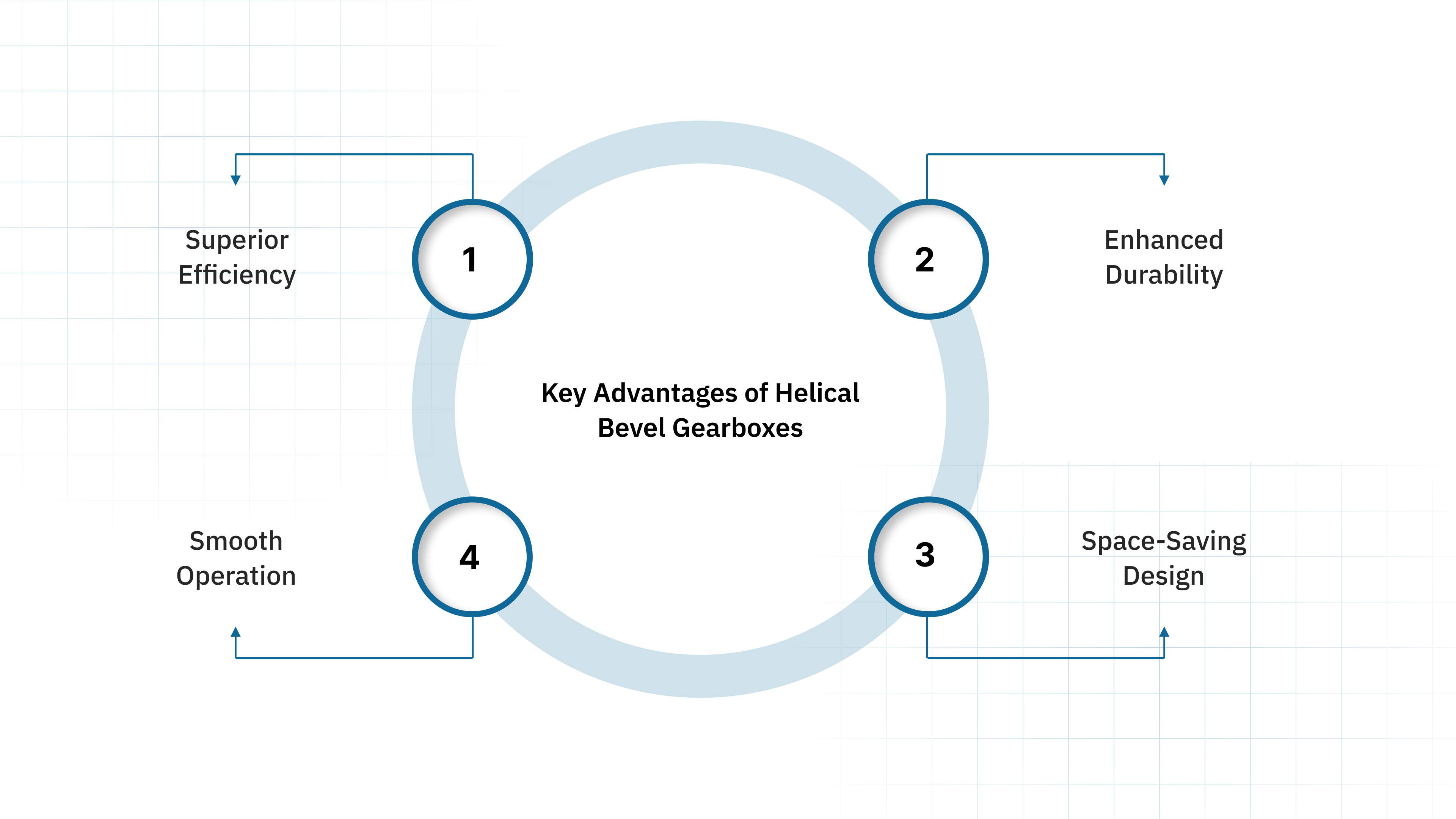
Here are the advantages in detail.
1. Superior Efficiency
Helical bevel gearboxes are well-known for their high efficiency. The helical tooth design ensures smooth gear meshing, minimizing friction and reducing energy loss. This means you get more power with less energy consumption, resulting in reduced operational costs.
2. Enhanced Durability
The efficiency of a helical bevel gearbox also contributes to its longevity. The smooth meshing action between gears reduces wear and tear, making these gearboxes highly durable and able to handle heavy loads over extended periods of operation. They are particularly effective in high-demand environments, where other gear types may experience rapid degradation.
3. Space-Saving Design
A key feature of helical bevel gearboxes is their compact design. Unlike some gear types that require a larger footprint for the same output, helical bevel gearboxes can handle high torque in a smaller space. This makes them ideal for installations where space is limited.
4. Smooth Operation
Helical bevel gearboxes provide a smoother, quieter operation compared to straight bevel or spur gears. The gradual tooth engagement reduces vibration and noise, creating a more comfortable working environment and reducing the likelihood of mechanical failure.
Challenges with Helical Bevel Gearboxes
While helical bevel gearboxes offer numerous benefits, they come with challenges such as higher initial costs, complex installation requirements, and the need for regular maintenance. These factors must be carefully considered to ensure the gearbox’s efficiency and longevity in demanding applications.
Let's look at the challenges in detail:
1. Higher Initial Cost
While they offer numerous advantages in terms of performance and efficiency, helical bevel gearboxes typically come with a higher upfront cost. This is due to their complex design and the precision required to manufacture them. For smaller operations or businesses with limited budgets, this may be a significant consideration.
2. Complex Installation
Helical bevel gearboxes require precise installation to maintain their efficiency and durability. Incorrect alignment or poor installation can lead to increased friction, wear, and potential failure. Proper training and expertise are required for installation, which adds to the initial costs.
3. Maintenance Requirements
Though helical bevel gearboxes are durable, they do require regular maintenance to ensure peak performance. Lubrication levels must be monitored, and the gear teeth need to be inspected for wear and tear. While maintenance is not overly complex, it can become an added operational task, especially in environments with frequent usage.
Factors to Consider When Choosing a Helical Bevel Gearbox
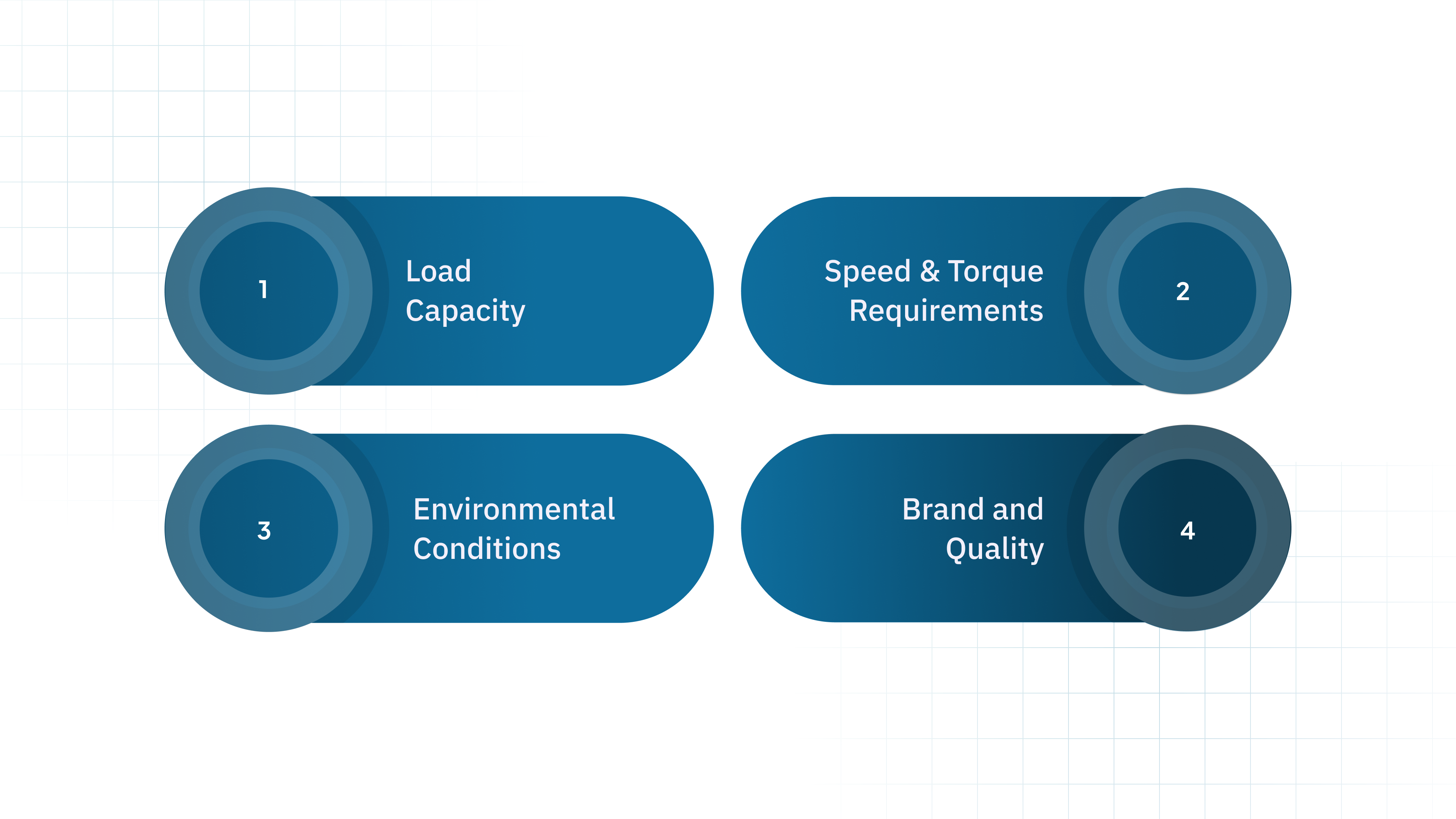
When selecting a helical bevel gearbox, it's essential to consider factors like load capacity, speed and torque requirements, environmental conditions, and brand reputation. These elements ensure you choose a gearbox that meets your operational needs and provides long-term reliability.
Here are the factors you need to consider:
1. Load Capacity
The first factor to consider is the load capacity. Gearboxes are designed to handle specific load ranges, and selecting one that cannot handle your required load can lead to overheating and premature failure. On the other hand, selecting a gearbox with a much higher load capacity than needed may be unnecessary and costly.
2. Speed and Torque Requirements
Understanding the speed and torque needs of your application is crucial. A gearbox that provides the correct output speed and torque to meet your machinery’s requirements will improve overall performance and efficiency.
3. Environmental Conditions
The environment in which the gearbox will operate plays a significant role in selecting the right one. Factors such as temperature extremes, exposure to chemicals or moisture, and the presence of dust or other contaminants can all impact gearbox performance. Ensure that your gearbox is designed to handle the specific environmental conditions it will face.
4. Brand and Quality
Investing in a high-quality gearbox from a reputable brand ensures reliability and long-term performance. Well-known brands offer better customer service, warranty options, and proven reliability, giving you peace of mind that your gearbox will perform as expected over time.
Pro Tips for Maximizing Gearbox Efficiency
Maximizing gearbox efficiency requires regular monitoring, proper lubrication, and balanced load distribution. By tracking performance, ensuring the correct lubricant is used, and avoiding overloading, you can extend the lifespan of your helical bevel gearbox, reduce maintenance costs, and maintain optimal operational efficiency.
Let's look at the tips:
1. Regular Monitoring
Keep track of the performance of your gearbox through regular inspections. Use sensors and diagnostic tools to monitor temperature, vibration, and load conditions. Early detection of problems can save you from costly repairs down the road.
2. Proper Lubrication
Lubrication plays a crucial role in reducing friction and extending the life of your gearbox. Ensure that the right type and amount of lubricant are used for optimal efficiency.
3. Load Balancing
Avoid overloading your gearbox. This ensures that the load is distributed evenly across the gears, preventing wear and improving overall efficiency.
How Fiama Supports Reliable and Efficient Helical Bevel Gearbox Solutions?
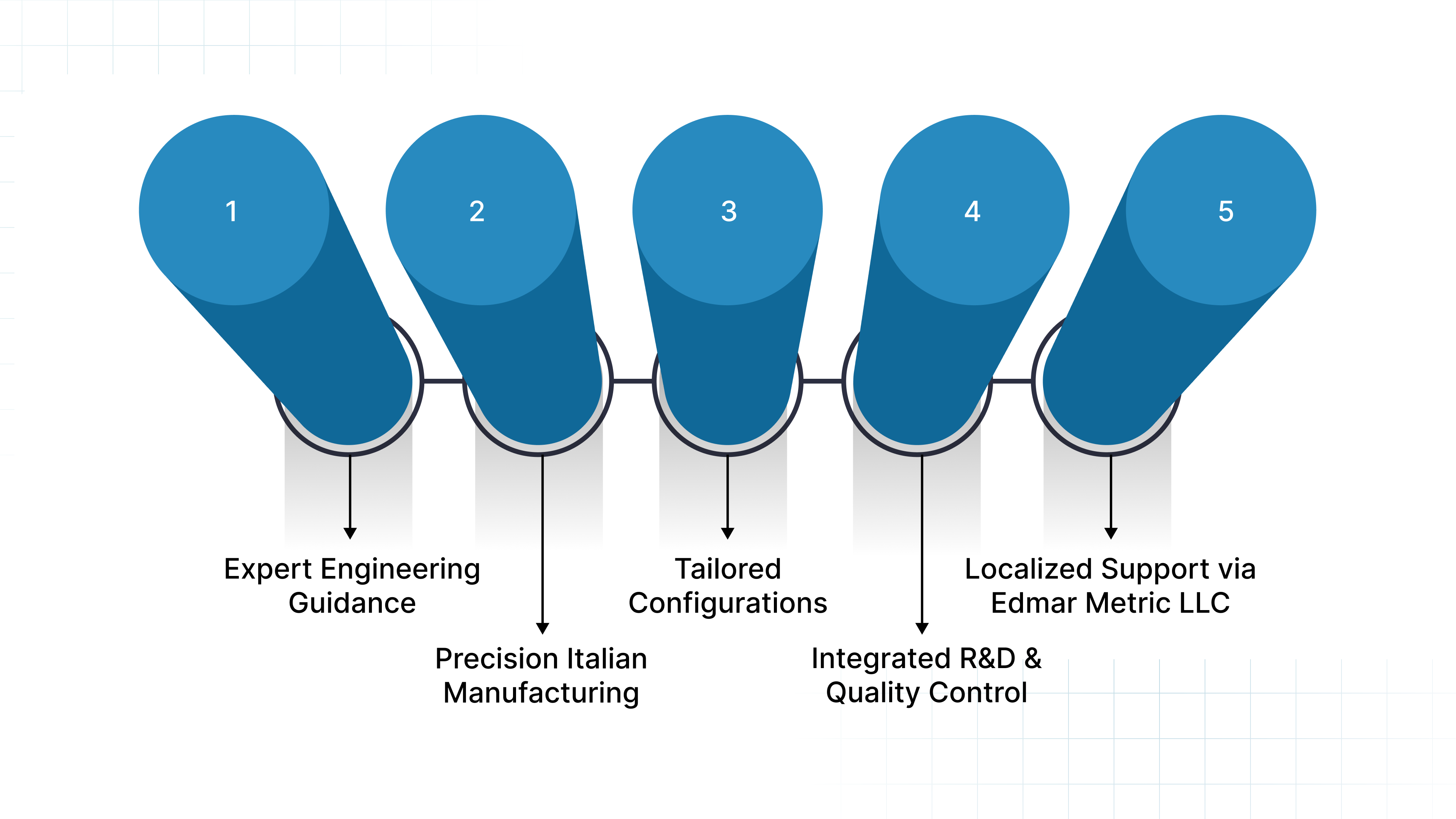
Fiama delivers precision-engineered mechanical drive components designed for consistent performance in demanding industrial applications. With Italian manufacturing expertise and a strong engineering foundation, Fiama helps buyers select and integrate gearbox solutions that prioritize efficiency, durability, and long-term reliability.
Let's look at how Fiama can help:
Expert Engineering Guidance: Fiama’s team supports you in choosing the correct torque, ratio, and configuration, reducing risks like overheating, overspecification, and premature wear.
Precision Italian Manufacturing: Designed and built in Parma, Italy, Fiama components offer smooth gear engagement, reduced friction, and stable transmission efficiency.
Tailored Configurations: Fiama provides customized solutions for unique constraints, including space limits, environmental challenges, and required torque peaks.
Integrated R&D and Quality Control: Centralized design and production ensure consistent performance and reduce supplier variability.
Localized Support via Edmar Metric LLC: North and South American customers receive dedicated selection and lifecycle support through Fiama’s partner, Edmar Metric LLC.
Fiama’s engineering precision and application expertise make them a dependable partner for selecting efficient and reliable gearbox solutions.
Conclusion
Choosing the right helical bevel gearbox is an investment in your machinery’s performance and longevity. By understanding the efficiency benefits, comparing them with other gear types, and considering factors such as load capacity, speed requirements, and environmental conditions, you can make an informed decision that will drive down costs and improve operational efficiency. With the right maintenance and installation practices, a helical bevel gearbox can serve your operations for years to come.
For further insights and guidance on selecting the ideal gearbox for your operations, don’t hesitate to contact Fiama for expert advice and recommendations.
FAQs
1. What makes a helical bevel gearbox more efficient than other gearbox types?
Helical bevel gearboxes use angled teeth that engage gradually, reducing friction and minimizing power losses. This design allows smoother torque transmission, improved load handling, and lower heat generation, resulting in higher overall efficiency compared to straight bevel or spur gear designs.
2. When should I choose a helical bevel gearbox over a planetary gearbox?
Choose a helical bevel gearbox when your application requires durability, high torque, lower noise, and long duty cycles at a more economical cost. Planetary gearboxes are better suited for compact spaces and high-precision environments such as robotics or aerospace systems.
3. How often does a helical bevel gearbox require maintenance?
Maintenance needs depend on operating conditions, but regular inspection of lubrication levels, gear tooth wear, and bearing performance is essential. In continuous-duty applications, scheduled maintenance every few months helps maintain efficiency and prevents unexpected mechanical issues.
4. What are the most important factors to check before selecting a helical bevel gearbox?
Critical factors include load capacity, torque requirements, operating speed, ambient conditions, mounting constraints, and expected duty cycle. Selecting a gearbox aligned with these parameters ensures consistent performance, long service life, and reduced risk of overheating or misalignment.
5. Can a helical bevel gearbox handle shock loads or variable loads?
Yes, helical bevel gearboxes are well-suited for applications with moderate shock loads due to their strong tooth geometry and smooth engagement. However, extreme or frequent impact loads require proper sizing and selection to avoid premature wear or gearbox failure.