Planetary gearboxes have become the go-to solution in high-torque, space-constrained drive systems across industries. Their ability to provide compact, high-efficiency gearing makes them invaluable in applications where precision, space, and performance matter most. However, selecting the wrong planetary gearbox can result in overspecification, premature failures, noise, backlash issues, and costly integration headaches.
This guide is designed to help engineers, project owners, and procurement teams choose the right gearbox, matching gearbox type, features, and supplier capabilities with real-world duty conditions and lifecycle costs.
In a nutshell
High Torque Density and Compact Design: Planetary gearboxes are ideal for high-torque applications with space limitations, making them perfect for robotics, automation, and industrial machinery.
Single-Stage vs. Multi-Stage: Single-stage planetary gearboxes provide efficiency for moderate ratios, while multi-stage gearboxes excel in heavy-duty applications requiring higher reduction ratios, albeit at the cost of some efficiency.
Precision and Low Backlash: Servo-grade planetary gearboxes offer minimal backlash and high torsional stiffness, making them essential for applications that demand precision, such as robotics and CNC machines.
Space-Saving Right-Angle Gearboxes: Right-angle planetary gearboxes are perfect for confined spaces, providing efficient power transfer at 90° angles, often used in automated vehicles and conveyors.
Application-Specific Customization: Planetary gearboxes come in various configurations, like in-line, offset, and right-angle, offering versatility to meet the unique demands of different industries, from packaging to renewable energy systems.
When a Planetary Gearbox Actually Makes Sense?
Planetary gearboxes outperform other types like helical, bevel, or worm gearboxes in situations demanding high torque density and compact footprints. They are ideal for applications requiring precise positioning, high efficiency, and durability in constrained spaces. These units shine when duty cycles involve high payloads, tight cycle time constraints, and the need for superior noise control and energy efficiency.
However, planetary gearboxes may not be the best choice for low-duty, low-cost, or low-precision applications where simpler, more economical gear types can meet the demands. For tasks that don’t require high torque or positioning accuracy, consider a less complex gearbox.
Buyer Decision Triggers:
Higher Payloads: Choosing a gearbox that can handle increased weight or force.
Cycle Time Reduction: Optimizing for faster cycles.
Space Constraints: Compact, efficient gear systems for small spaces.
Noise Limits: Gearboxes with minimal noise for sensitive applications.
Energy-Efficiency Targets: Units that minimize power loss and optimize energy usage.
Matching Gearbox Type to Your Duty Cycle
When selecting a planetary gearbox, it's crucial to consider not just the "nameplate torque" but how it will handle the specific duty cycle of your application. Different types of planetary gearboxes are suited for different duties, such as continuous, intermittent, or shock load-bearing.
Here's a breakdown of each type and where it truly shines in real-world applications.
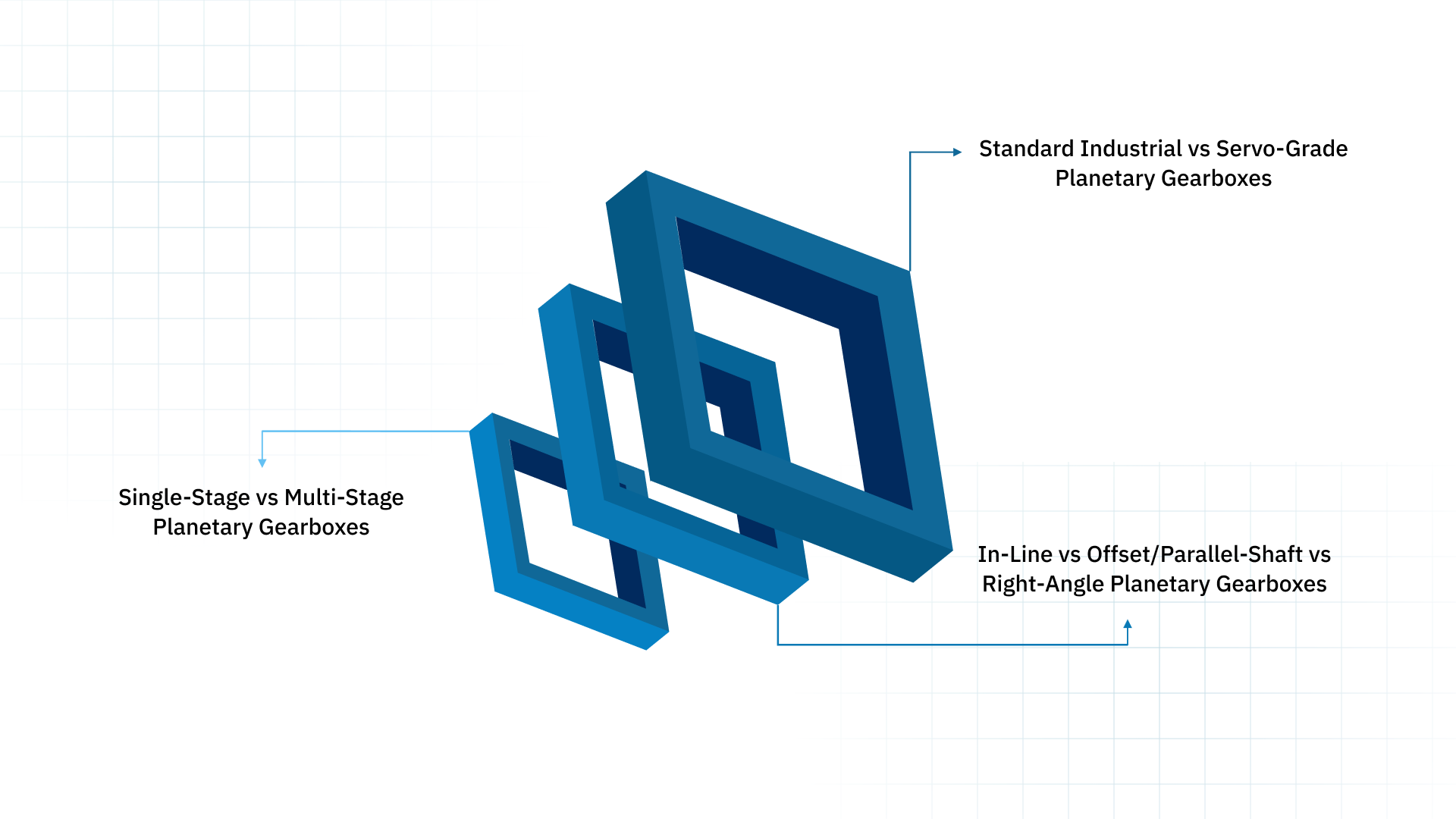
1. Single-Stage vs Multi-Stage Planetary Gearboxes
Single-stage planetary gearboxes are a great fit when you need moderate reduction ratios with high efficiency. They're compact, cost-effective, and ideal for applications where space is tight and efficiency is paramount.
In contrast, multi-stage planetary gearboxes provide much higher reduction ratios, making them suitable for heavy-duty applications. While they tend to be bulkier and slightly less efficient due to added components, the ability to handle higher loads and torque makes them the go-to choice for industrial machinery and equipment that demand heavy lifting and precision.
Efficiency vs High Torque: In simple terms, if your application demands a balance between size, cost, and efficiency with a moderate reduction ratio, single-stage gearboxes are a great fit. On the other hand, multi-stage gearboxes are better suited for high-torque applications that require a substantial reduction ratio but come at the cost of additional space and efficiency losses.
2. In-Line vs Offset/Parallel-Shaft vs Right-Angle Planetary Gearboxes
In-Line Planetary Gearboxes are designed for applications where the input and output shafts share the same axis. They are most commonly used in robotics and servo-driven applications, where precision and compactness are essential. They excel in positions where you want minimal mechanical losses and high efficiency.
Offset/Parallel-Shaft Planetary Gearboxes are beneficial when you need flexibility in layout. These gearboxes offer versatility in applications where the motor's position is fixed, such as in conveyors and cranes. They also provide more design flexibility when integrating systems in tight spaces, but can introduce additional complexity in terms of shaft alignment.
Right-Angle Planetary Gearboxes transfer power at a 90° angle, offering significant space-saving advantages, especially in tight or confined spaces. These gearboxes are commonly used in applications such as automated guided vehicles (AGVs) and rail drives, where space constraints and cooling requirements drive the need for a right-angle configuration.
Each gearbox type offers distinct advantages based on mounting constraints, available space, and system integration requirements. Choosing the right one will depend on your machine layout and the need for space-saving solutions.
3. Standard Industrial vs Servo-Grade Planetary Gearboxes
Planetary gearboxes come in both standard industrial and servo-grade variants, each with different performance characteristics.
Standard Industrial Gearboxes are designed for general applications where moderate precision is acceptable, and the operating conditions are less demanding in terms of positioning accuracy and dynamic response. They are typically more cost-effective and reliable in medium-to-low precision applications.
Servo-Grade Planetary Gearboxes are specifically built to handle high-performance, high-precision applications. These gearboxes are ideal for systems that require minimal backlash, high torsional stiffness, and fast response times, such as in robotics, CNC machines, or high-precision automation systems. They are engineered to provide greater positioning accuracy and dynamic control, making them the preferred choice for motion control applications.
The difference in performance comes down to the required precision and response speed. Servo-grade gearboxes are built to meet the stringent requirements of highly dynamic applications, while standard industrial gearboxes offer durability and efficiency in less demanding environments.
Type-by-Type: Where Each Planetary Gearbox Really Belongs
Planetary gearboxes come in various types, each tailored for specific applications and performance requirements. Understanding the differences between single-stage, multi-stage, in-line, offset/parallel-shaft, and right-angle configurations is crucial for selecting the right unit.
This section breaks down each type’s strengths and ideal use cases.
Single-Stage Planetary Gearbox – For Moderate Ratios and High Efficiency
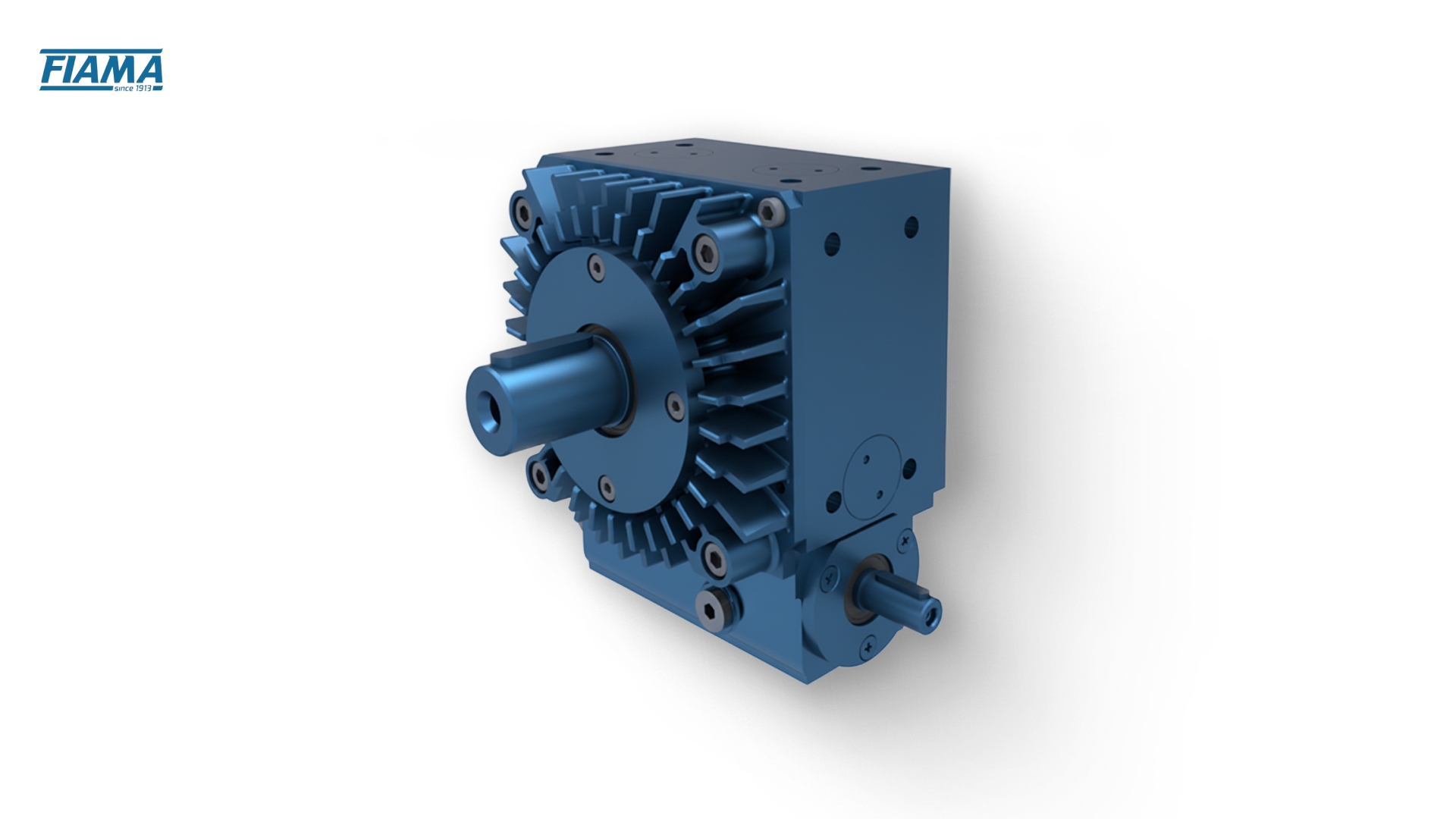
Single-stage planetary gearboxes are perfect for applications that require modest reductions, high efficiency, and compact design. Common uses include packaging machinery, conveyor drives, and basic automation tasks.
Buyer Lens: When a single-stage unit meets your ratio needs, opt for it instead of a multi-stage model to avoid additional costs and inefficiencies.
Multi-Stage Planetary Gearbox – For High Ratios and Heavy Loads
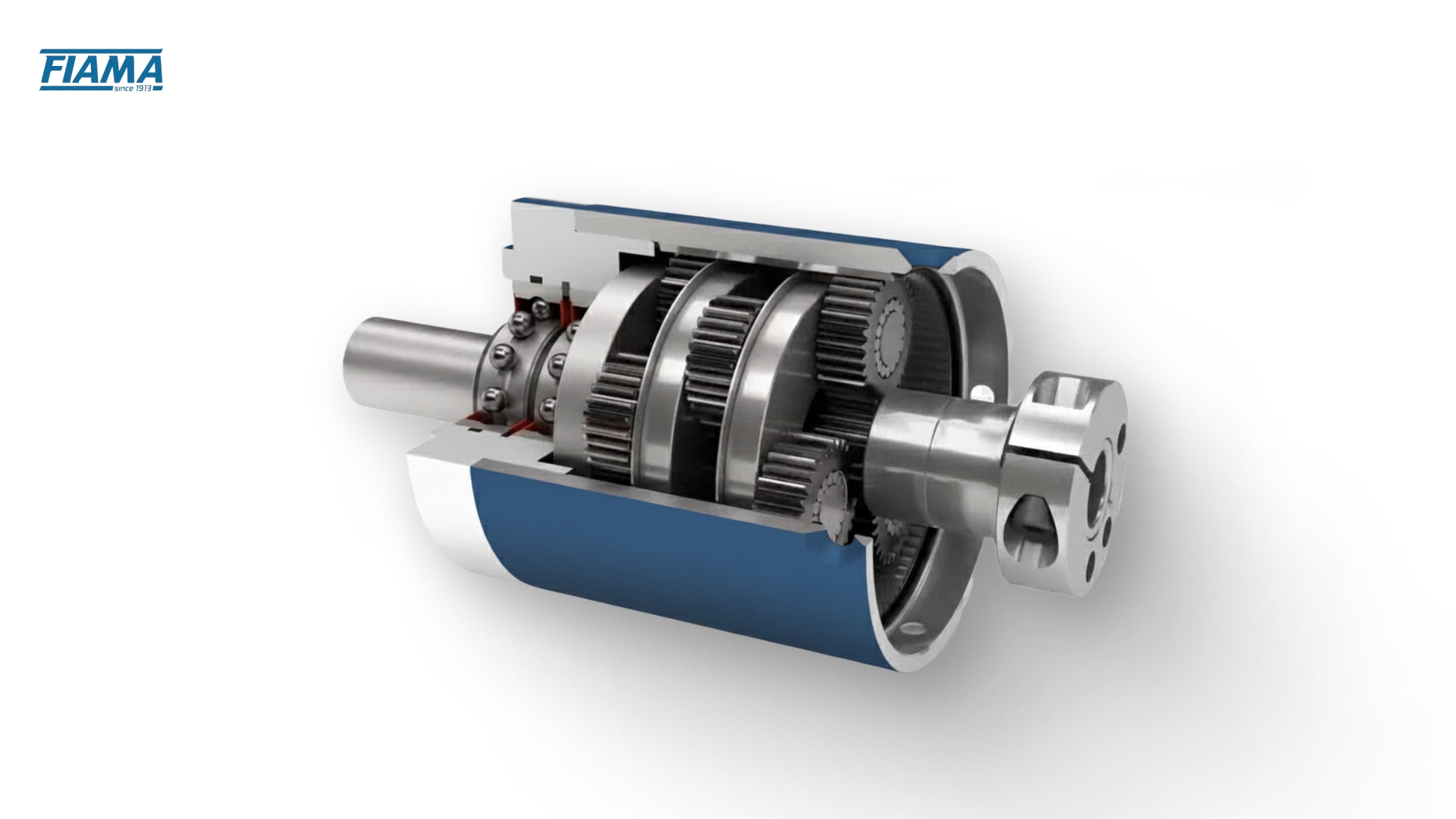
Multi-stage gearboxes excel in applications requiring high reduction ratios and heavy output torque, often in space-constrained environments like industrial machinery and mobile equipment.
Buyer Lens: Understand the trade-off between higher efficiency and cost. If your application demands high torque and high reduction, multi-stage gearboxes are the best option.
In-Line Planetary Gearbox – For Clean, Compact Drive Trains
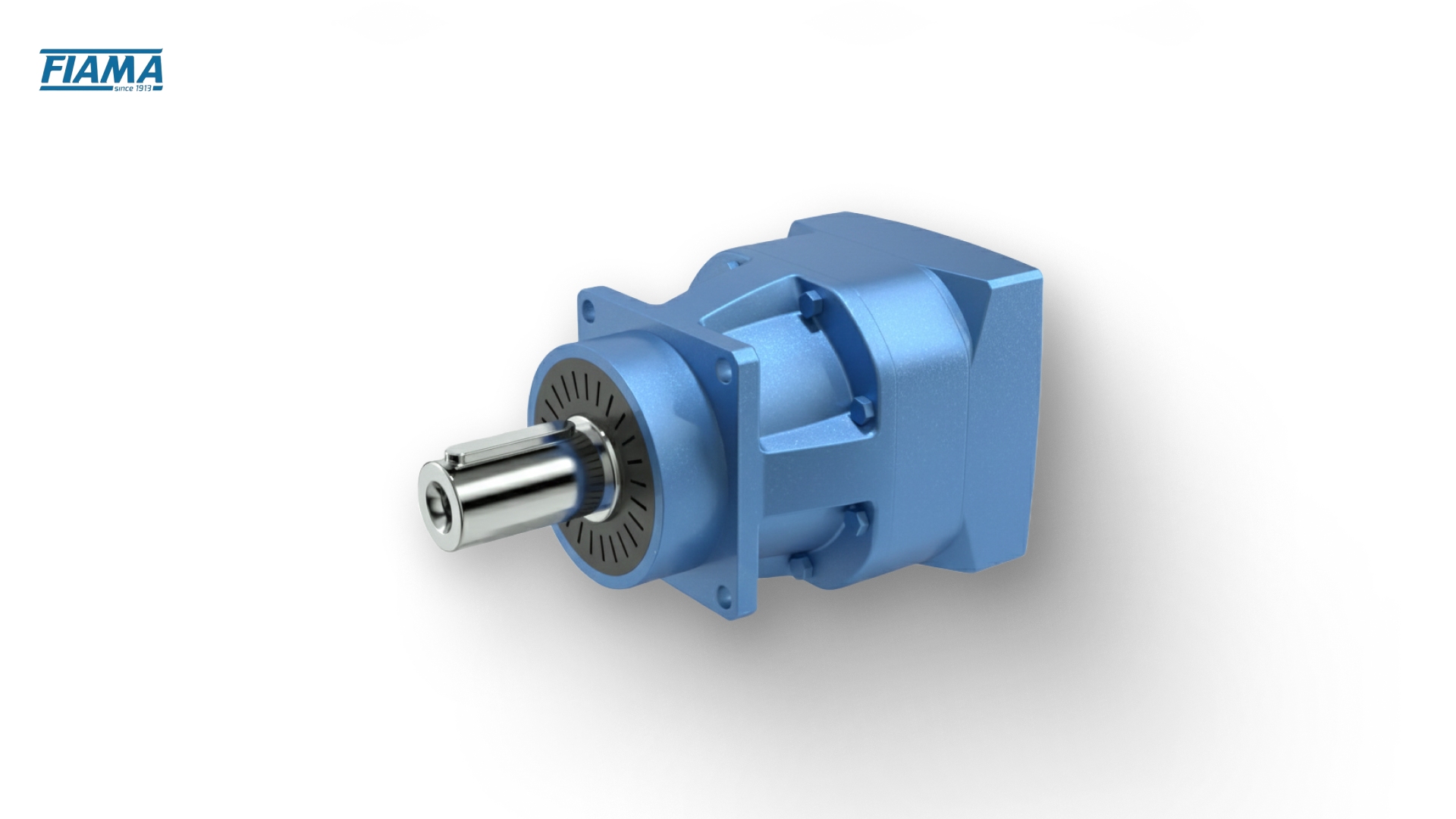
In-line planetary gearboxes are ideal for applications where the input and output must share the same axis, like in servo axes or robotics joints.
Buyer Lens: This type is beneficial for applications needing compact designs, but be mindful of overhung load limits and mounting rigidity.
Offset/Parallel-Shaft Planetary Gearbox – When You Need Layout Flexibility
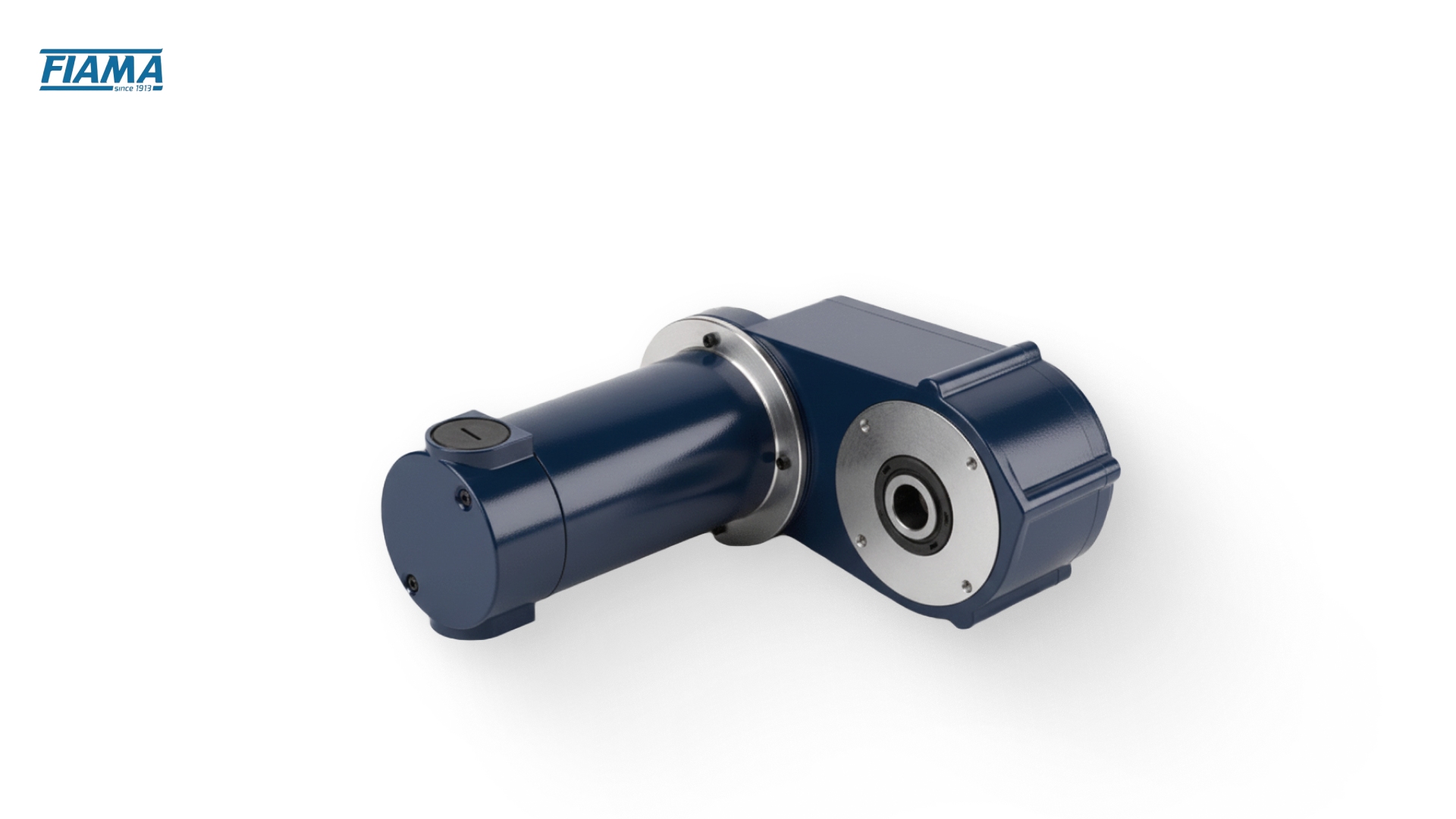
If space constraints force you to position the motor in a fixed position, offset or parallel-shaft gearboxes offer layout flexibility, commonly used in retrofits, conveyors, and tight plant layouts.
Buyer Lens: Evaluate space savings versus the added complexity in design and coupling choices.
Right-Angle Planetary Gearbox – For 90° Power Transfer with High Torque
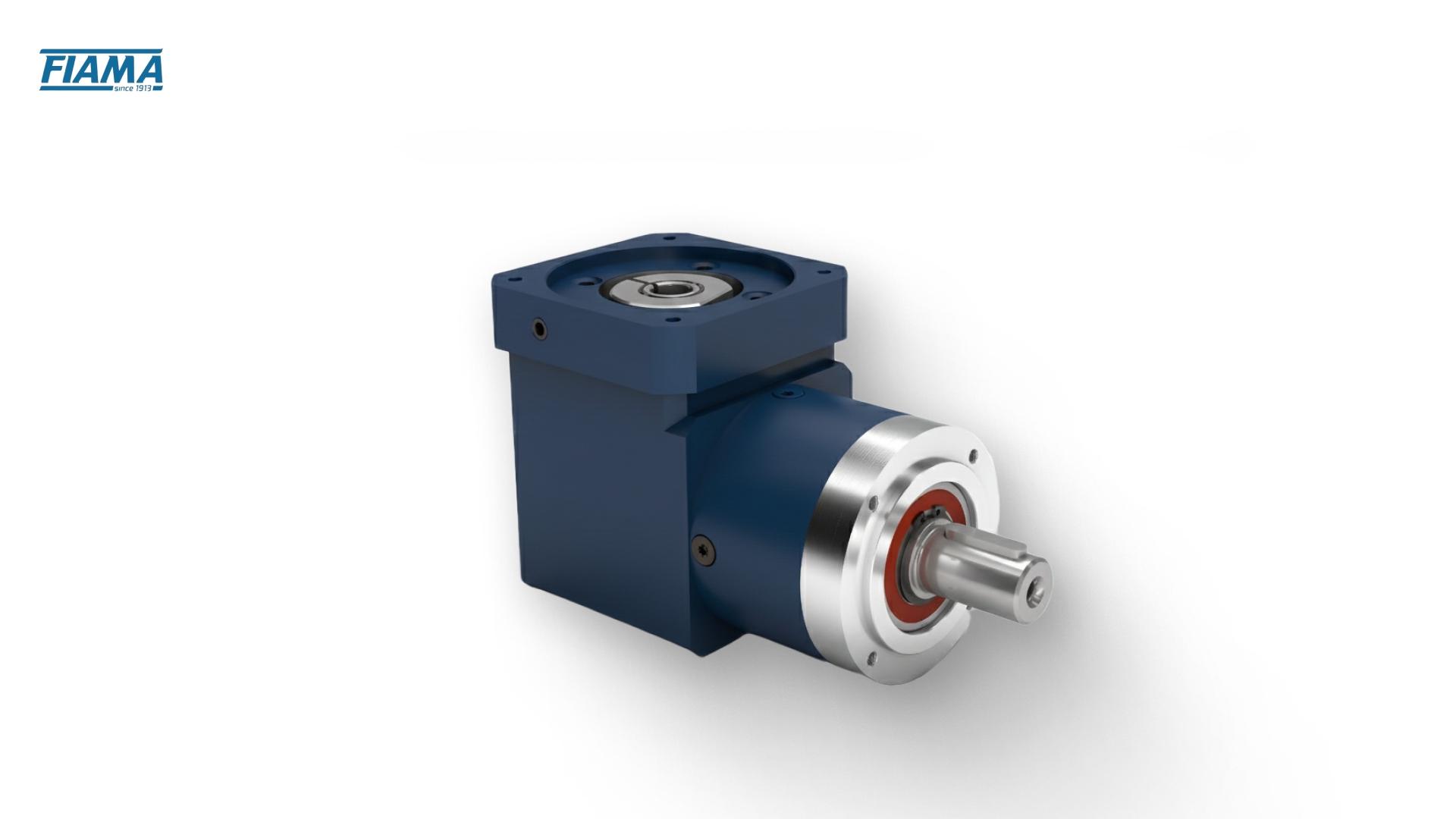
Right-angle gearboxes transfer power at a 90° angle, making them ideal for applications where relocating the motor improves the system’s cooling or reduces space requirements.
Buyer Lens: Consider the additional cost and complexity of the bevel gear stage versus the benefits of a compact design and improved cooling.
Special Planetary Sets (Harmonic, Simpson, Ravigneaux, Differential)
Some specialized planetary gearboxes offer ultra-high precision, zero backlash, and multi-speed drives. Harmonic gears are great for robotics, while Simpson and Ravigneaux sets are used in automotive and multi-speed systems.
Buyer Lens: Special planetary gear sets are useful in niche applications but typically come with higher costs and complexity. For standard industrial uses, a traditional planetary gearbox is often sufficient.
Application-Led Shortlist: Start from Your Machine, Not from the Catalogue
When choosing the right planetary gearbox, start by considering your machine’s requirements, not just the catalog. Each application, whether robotics, conveyors, mobile equipment, or renewable energy systems, has specific needs for torque, speed, precision, and durability. By mapping out these needs, you can narrow down the gearbox types that meet your goals.
Robotics and Servo Axes: In-line or right-angle planetary gearboxes, typically low-backlash, single or two-stage.
Conveyors, Mixers, Agitators: Multi-stage in-line or parallel shaft with robust bearings.
Mobile Equipment, Winches, Wheel Drives: High-torque planetary gearboxes, typically multi-stage.
Renewable Energy, Tracking Systems: Low-backlash, corrosion-resistant planetary units.
Key Features That Actually Move the Needle
Selecting the right planetary gearbox is about balancing the technical specs that affect performance and longevity:
Torque Capacity and Service Factor: These determine the gearbox’s load-bearing capabilities.
Gear Ratio Range and Step Choices: This will affect efficiency and speed.
Backlash and Torsional Stiffness: Especially critical for servo, indexing, or synchronized drives.
Secondary Features: Noise, lubrication options, corrosion resistance, and sealing.
These elements will directly influence your gearbox’s lifecycle cost, so pay attention to them when making your decision.
How Fiama Supports Reliable and Precise Planetary Gearbox Solutions?
Fiama engineers high-quality planetary gearboxes and right-angle drives, perfect for industries like packaging, food processing, and automation. With over a century of expertise, Fiama delivers precision, durability, and tailored solutions for demanding applications.
Here's how Fiama supports your gearbox needs:
Expert Application and Integration Support: Fiama’s engineering team guides you to the right gearbox type, minimizing risks like overspecification and wear by matching the product to your specific conditions.
Precision Italian Manufacturing: Designed and built in Parma, Italy, Fiama gearboxes ensure high torque density, compactness, and efficiency for performance-sensitive applications.
Custom Solutions: Fiama offers tailored planetary gearboxes and right-angle drives to meet unique challenges, like space constraints, noise limits, and cycle time optimization.
Comprehensive R&D and Production: Fiama’s centralized R&D and manufacturing guarantee reliable, consistent gearbox performance, reducing supplier risks.
Localized Support via Edmar Metric LLC: For Americas-based customers, Fiama’s partner Edmar Metric LLC provides expert support for selection, integration, and lifecycle needs.
Fiama’s engineering excellence and precision manufacturing make them a strategic partner for demanding industrial drives, offering reliable and efficient planetary gearbox solutions.
Wrapping Up
Planetary gearboxes are essential components in driving precision, efficiency, and reliability across various industrial applications. By understanding the specific needs of your machinery and selecting the right gearbox type, you can optimize performance, minimize downtime, and enhance system longevity.
Partnering with an expert like Fiama ensures access to tailored solutions, high-quality manufacturing, and ongoing technical support. Fiama’s precision-engineered planetary gearboxes are designed to meet the toughest challenges in demanding industries.
Reach out to Fiama if you need assistance in choosing the right planetary gearbox for your application or require expert integration support.
FAQs
1. When should I choose a planetary gearbox over other types, like helical or bevel gearboxes?
Planetary gearboxes are ideal when you need high torque density, compact design, and precise positioning. They excel in applications with space constraints, high-efficiency needs, and reduced noise requirements. For lower-duty or simpler applications, helical or bevel gearboxes may be more economical.
2. How do I determine the right type of planetary gearbox for my application?
The correct gearbox type depends on factors like duty cycle (continuous, intermittent, shock loads), space constraints, torque, efficiency needs, and required precision. Single-stage gearboxes are best for moderate ratios, while multi-stage gearboxes handle higher torque and ratios, albeit at the cost of added space and reduced efficiency.
3. What are the key differences between in-line and right-angle planetary gearboxes?
In-line planetary gearboxes offer compact designs where input and output share the same axis, making them ideal for robotics and servo systems. Right-angle gearboxes transfer power at a 90° angle.
4. What are the advantages of using a servo-grade planetary gearbox?
Servo-grade planetary gearboxes are designed for high-precision applications requiring minimal backlash, high torsional stiffness, and rapid response times. They are suitable for systems like robotics and CNC machines.
5. How do I size a planetary gearbox correctly for my application?
Sizing a planetary gearbox involves calculating the required output torque and speed, considering the duty cycle, and applying service factors specific to your industry. Avoid sizing based solely on nominal torque.