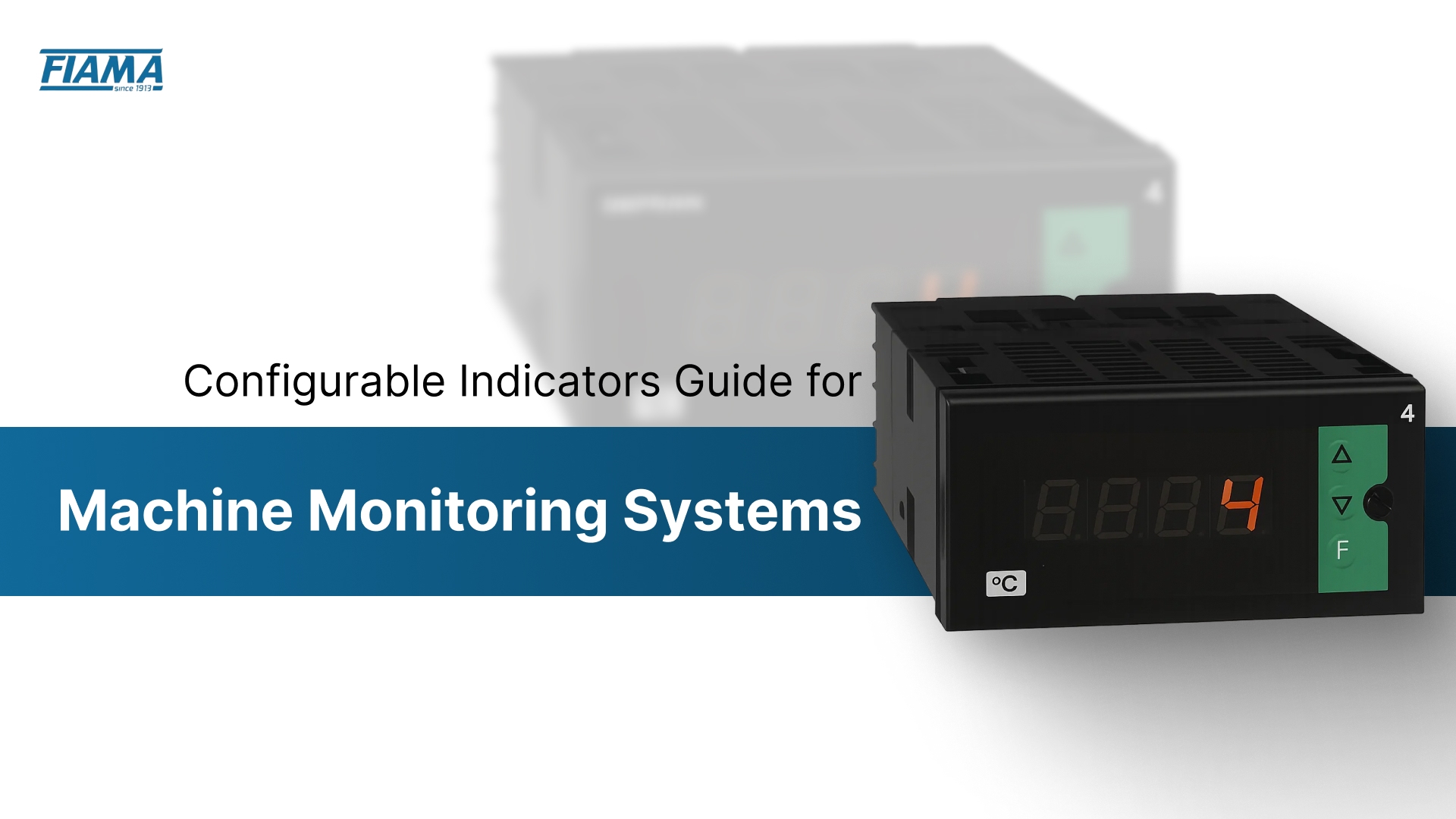
In modern manufacturing, real-time data is everything. From monitoring a few machines in a small workshop or managing an extensive production line with multiple assets, machine monitoring systems are essential for ensuring smooth operation. These systems collect critical data from sensors attached to machinery and use it to assess performance, health, and productivity.
However, not all systems are the same, and the key to unlocking the full potential of machine monitoring lies in choosing the right configurable indicators. These indicators provide you with the flexibility to track the metrics that matter most to your operation.
This guide will help you understand the importance of configurable indicators, how to choose the right ones, and best practices for setting them up in your machine monitoring system. With the right indicators, you can improve efficiency, reduce costs, and make better data-driven decisions.
At a Glance:
Customizable Indicators: Focus on the metrics that matter most to your operation, such as uptime, energy consumption, and cycle time.
Threshold Alerts: Set custom thresholds for key metrics to receive timely alerts, helping you address issues before they become problems.
Track Efficiency: Monitor critical metrics like machine uptime, throughput, and cycle time to optimize production and reduce downtime.
Predictive Maintenance: Health metrics such as vibration and temperature help detect issues early, preventing unplanned downtime.
Scalability: Choose a system that scales with your needs and integrates with existing systems to support future growth.
What Are Configurable Indicators in Machine Monitoring?
Configurable indicators are measurable metrics in a machine monitoring system that can be customized to your specific operational needs. These indicators allow you to focus on what matters most, whether it’s improving machine health, enhancing productivity, or maintaining product quality.
Configurable indicators give you the flexibility to:
Set thresholds for different performance metrics.
Adjust reporting views to reflect what’s important.
Choose which metrics to focus on (e.g., uptime, energy consumption, machine speed, etc.).
Ensure the system adapts to the unique needs of your manufacturing environment.
In short, a machine-monitoring system with configurable indicators helps you prioritize the right data and respond proactively to issues as they arise.
Common Indicator Types: What You Should Monitor (and Why)
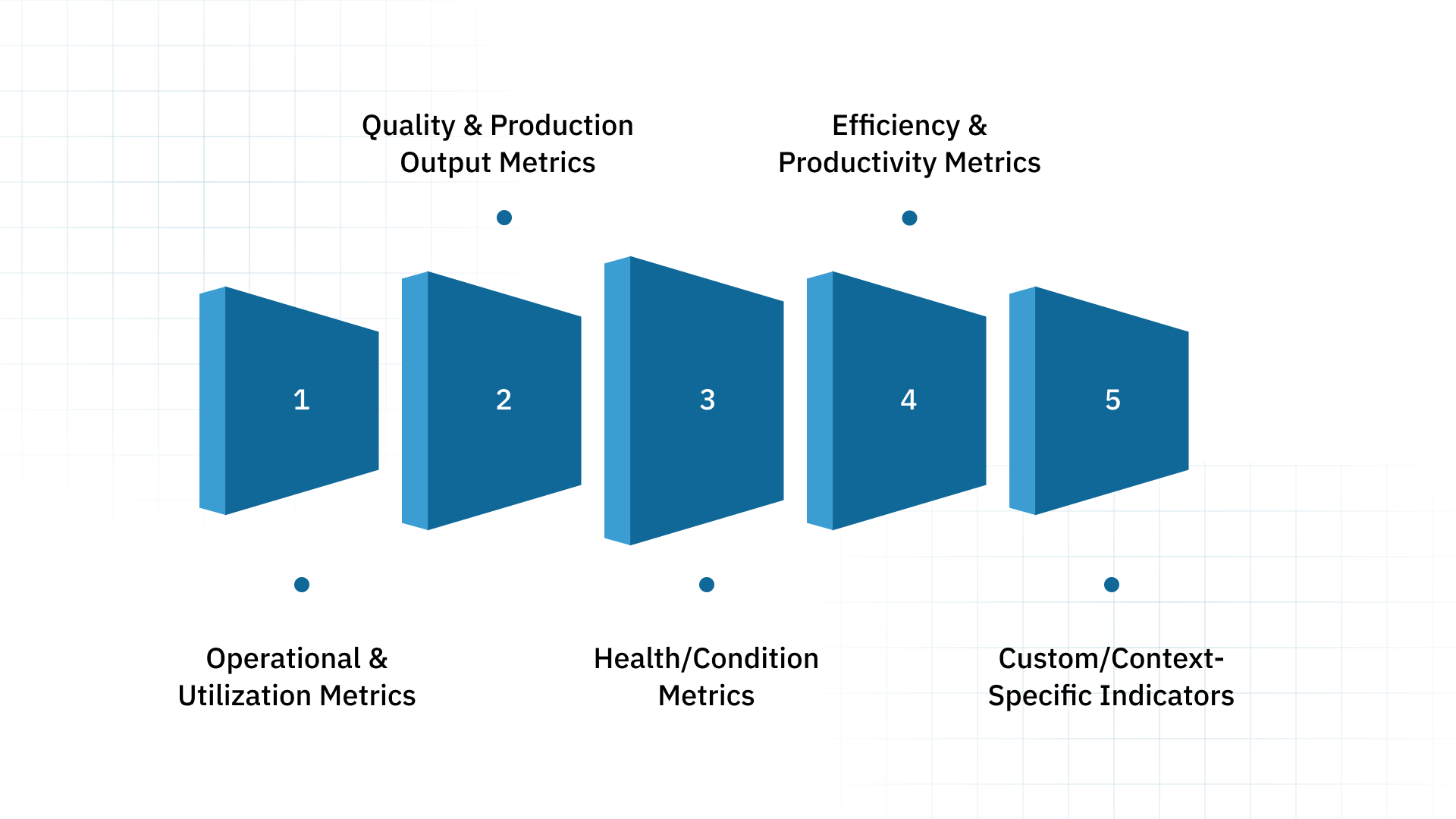
When configuring your machine monitoring system, it's important to understand which indicators are most relevant to your specific operations.
Below are some common indicator categories used in manufacturing environments.
1. Operational & Utilization Metrics
These indicators focus on how effectively your machines are performing in relation to their capacity. Key operational indicators include:
Machine Uptime / Downtime
Uptime and downtime are crucial to understanding machine availability. Tracking uptime helps you see how often a machine is working, while downtime analysis helps identify bottlenecks, unplanned maintenance, and other issues that disrupt production.Machine Utilization Rate
This metric shows the percentage of time that a machine is actively in use compared to its total available time. Low utilization might indicate inefficiencies, maintenance needs, or poor scheduling.Cycle Time / Throughput
Cycle time measures how long it takes for a machine to complete one cycle, while throughput measures the number of units produced in a specific time frame. Monitoring these indicators helps you assess production efficiency and capacity.
2. Quality & Production Output Metrics
Monitoring production quality is essential for ensuring products meet the required standards. Some of the most common quality metrics include:
Good vs. Scrap Rate
This indicator tracks the number of good parts produced compared to defective or scrap parts. A high scrap rate often signals a problem in the production process that needs immediate attention.Yield
Yield refers to the percentage of products that meet the quality standards from a batch or production run. A low yield often points to inefficiencies or issues with raw materials, equipment, or processes.Rejection Rate
This metric tracks the number of products rejected during quality checks, which could indicate problems with the machinery or the production process.
3. Health/Condition Metrics
Condition monitoring is essential for preventing breakdowns and extending the lifespan of machinery. Important health metrics include:
Vibration Levels
Monitoring vibration helps detect issues such as misalignment, bearing wear, or unbalanced parts in machines. High vibration levels may lead to equipment failure if not addressed.Temperature Monitoring
Overheating is a common sign of mechanical issues. Monitoring the temperature of critical machine parts (motors, bearings, etc.) can help prevent overheating and breakdowns.Wear and Tear Indicators
These indicators track components that are prone to wear and tear, such as belts, gears, and tools, helping you plan for replacements and avoid unscheduled downtime.
4. Efficiency & Productivity Metrics
These indicators focus on ensuring that your machinery is operating efficiently:
Overall Equipment Effectiveness (OEE)
OEE combines availability, performance, and quality to give a comprehensive view of how effectively your machines are running. It is one of the most important metrics for monitoring machine efficiency.Energy Consumption
Monitoring energy usage per unit produced can highlight inefficiencies and help optimize operations to reduce costs and improve sustainability.Downtime Analysis
Tracking downtime reasons helps you identify recurring issues, whether they are due to mechanical failures, operator error, or external factors.
5. Custom/Context-Specific Indicators
Every production environment is unique, and your system might need custom indicators. Some examples include:
Order-Based Tracking
If your production is order-based, you may want to track how long each order takes to complete or how efficiently each order is processed.Changeover Time
If you are in a facility with frequent changeovers between production runs, monitoring the time taken to transition between jobs is important for efficiency.Maintenance Schedules
Tracking maintenance intervals, preventive maintenance (PM) work orders, and repairs helps ensure that machines are serviced at the right times to minimize unplanned downtime.
Configurability: Key Features to Look for in a Machine Monitoring System
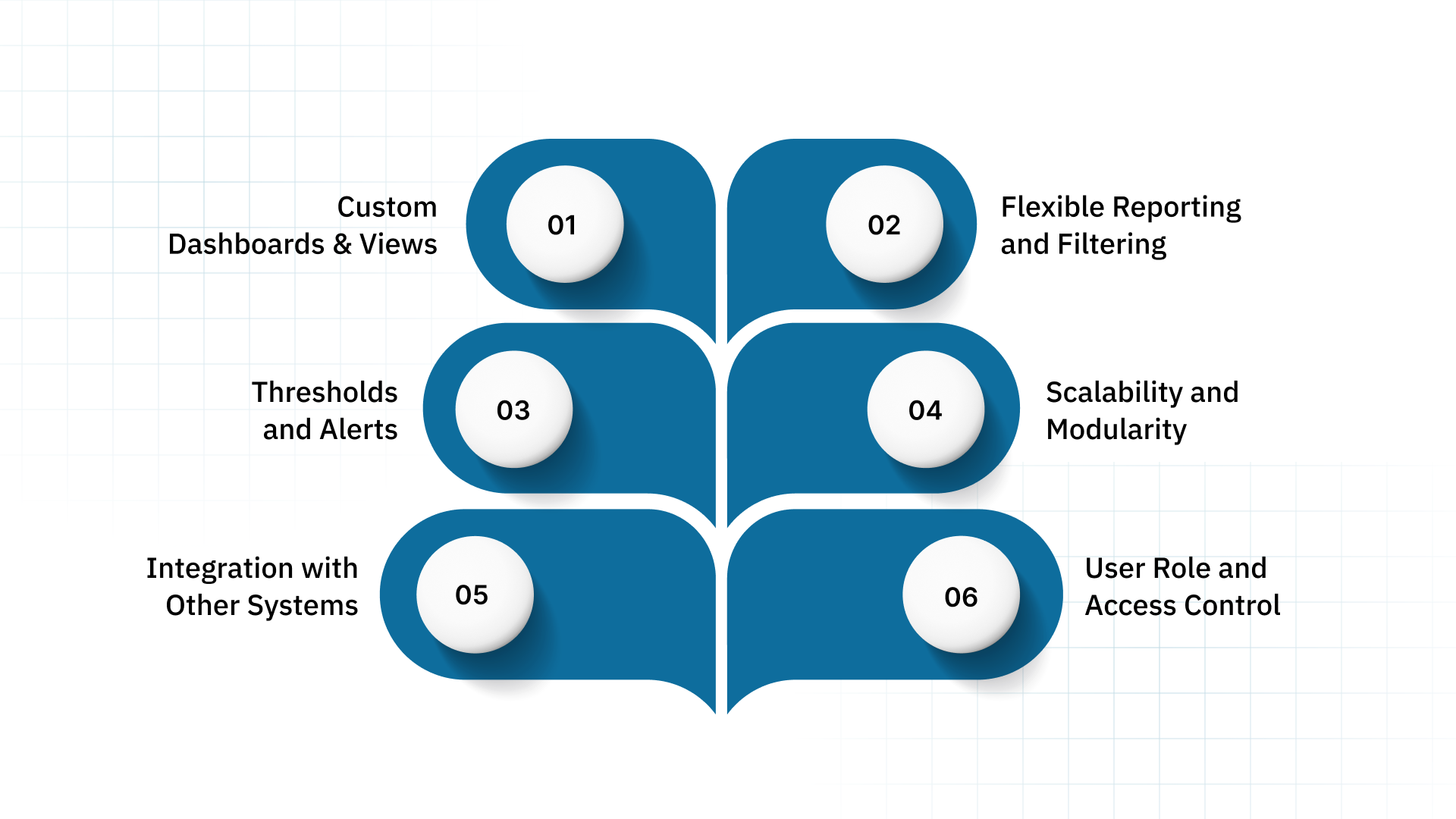
When selecting a machine monitoring system, make sure it offers the flexibility to configure the indicators that are most relevant to your operation. Below are key features to look for in a monitoring system:
Custom Dashboards and Views
The ability to create custom dashboards that show only the most relevant indicators for each user role. For example, the maintenance team might want to see health indicators, while the production manager may need to focus on output and quality.Flexible Reporting and Filtering
Choose a system that allows you to filter data by time, machine type, operator, or other variables to create detailed reports that reflect your operational priorities.Thresholds and Alerts
A good monitoring system will allow you to set thresholds for specific indicators. For example, if machine uptime drops below a certain level, the system will automatically send an alert so that you can take action immediately.Scalability and Modularity
Look for a system that can grow with your needs. You may need to add more machines, more sensors, or more indicators as your production line expands. Ensure the system is scalable.Integration with Other Systems
Your machine monitoring system should integrate smoothly with other enterprise systems, such as your Enterprise Resource Planning (ERP) or Maintenance Management System (MMS), for seamless data exchange.User Role and Access Control
Different stakeholders (e.g., operators, supervisors, maintenance staff) need access to different information. A good system should allow you to customize dashboards and limit access to sensitive data based on user roles.
A Buyer’s Checklist: How to Define and Configure Indicators for Your Plant?
When evaluating and configuring machine monitoring systems, follow these steps to ensure you select the most effective indicators for your operations. A well-configured system provides clarity, allowing you to monitor performance accurately, detect issues early, and take corrective action promptly.
Consider the following steps:
Define Your Operational Goals
Identify whether you want to improve machine uptime, reduce downtime, increase quality, or optimize energy consumption. These goals will help you select the right indicators.Map Your Machines and Processes
Identify the key machines and processes you want to monitor. Choose the indicators that are most relevant to each machine’s role in your operation.Start Simple
Begin by monitoring a small set of core indicators (e.g., uptime, cycle time, quality yield) and expand as needed. Overloading your system with too many indicators can lead to data fatigue.Use Configurable Dashboards
Customize your dashboards to reflect the key metrics for each department or role in your organization (e.g., operators, managers, maintenance).Set Alert Thresholds
For critical metrics (such as downtime, scrap rate, and machine temperature), set alert thresholds that trigger notifications when performance falls outside of the acceptable range.Review and Adjust Over Time
As your operations evolve, so too should your monitoring system. Regularly review the indicators and adjust them as necessary to keep them aligned with your operational goals.
Common Mistakes & Pitfalls to Avoid When Configuring Indicators
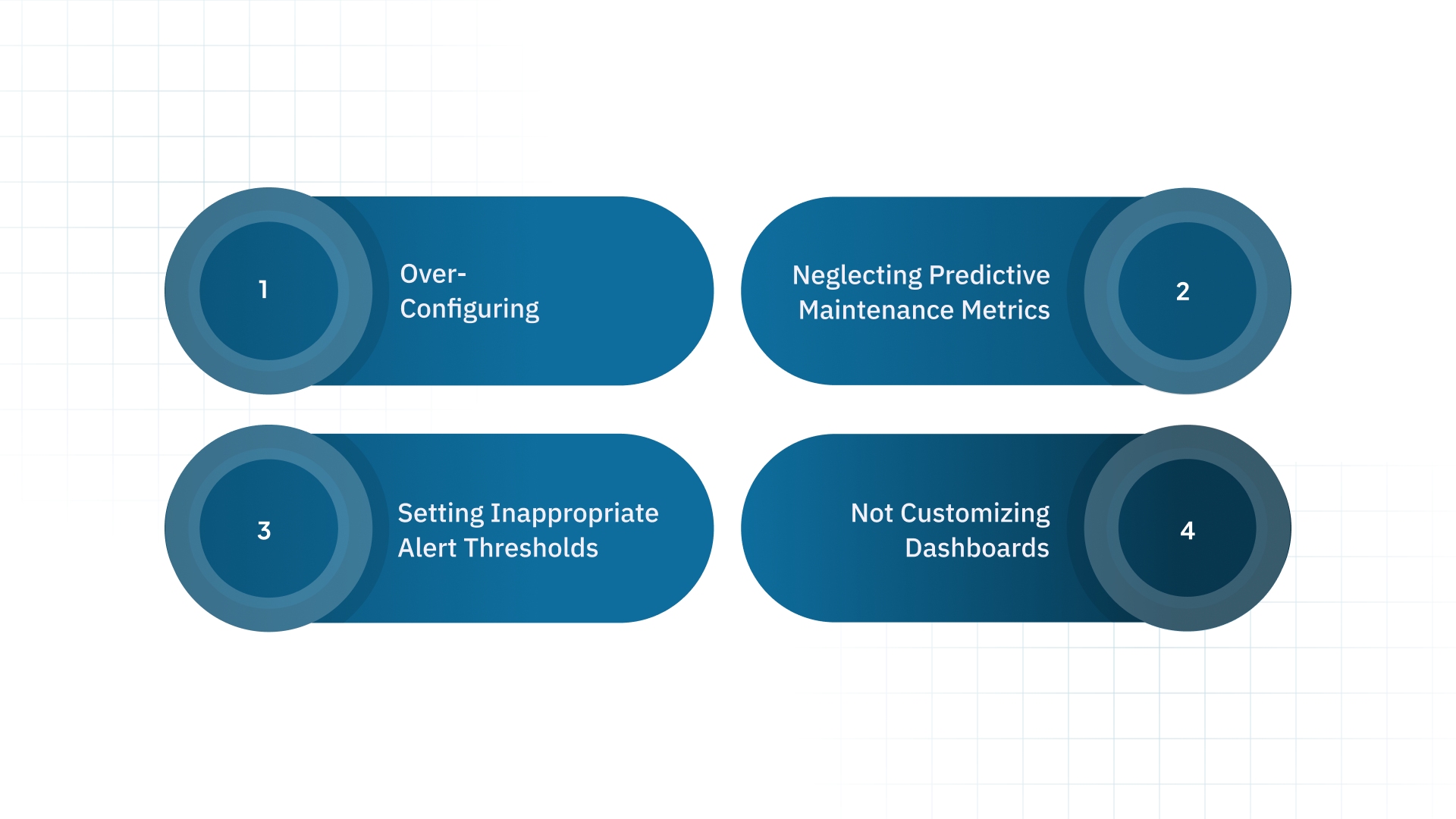
When setting up configurable indicators, watch out for the following mistakes:
Over-Configuring
Trying to monitor too many indicators at once can lead to data overload. Focus on the most critical metrics first and expand from there.Neglecting Predictive Maintenance Metrics
Ignoring machine health metrics (like temperature, vibration, and wear) can lead to unplanned downtime and costly repairs.Setting Inappropriate Alert Thresholds
If your thresholds are too narrow or too broad, you risk either missing critical alerts or being overwhelmed by unnecessary notifications.Not Customizing Dashboards
A generic, one-size-fits-all dashboard will not provide value to all users. Custom dashboards tailored to each department's needs help ensure the data is actionable.
How Fiama Supports Reliable Valve Position Monitoring?
When you choose Fiama for valve position monitoring or machine motion feedback, you benefit from decades of design expertise and a broad portfolio of high‑quality instrumentation designed to deliver precise, dependable performance in industrial settings.
What Fiama brings to the table:
Comprehensive product range for position monitoring: Fiama offers a wide array of devices, including position indicators (mechanical, electronic, programmable), encoders (rotary, draw‑wire, magnetic), transducers, and related accessories.
Flexibility for different setups: Their indicators support linear or rotary motion, hollow‑shaft mounting, and multiple bore sizes. This makes them suitable for both new OEM designs and retrofits of existing systems.
High‑quality manufacturing and durability: Products are made in Italy, under strict quality control, backed by more than 100 years of manufacturing experience, with full in‑house design, R&D, and production processes.
Configurability and programmability: Some of Fiama’s electronic position indicators (e.g., programmable models) allow custom settings: count ratios or screw pitches, unit conversions, absolute/relative motion display, zero‑reset functionality, and flexible output formats, features that support varied valve types and control systems.
Support for automation and quick change‑over applications: Fiama’s instruments are widely used in industries requiring frequent adjustments (food, packaging, wood, automation, etc.), which is especially useful when valve position adjustments or format changes are routine.
Conclusion
Choosing the right machine monitoring system with configurable indicators gives you the flexibility to focus on the metrics that matter most for your operation. By setting up custom dashboards, reports, and alerts, you can enhance productivity, improve quality, and reduce downtime.
With this guide, you now have the tools to define your indicators, configure your monitoring system, and avoid common pitfalls. Tailoring your system to your unique needs will allow you to make better data-driven decisions and keep your machines running efficiently.
Fiama offers tailored solutions with configurable indicators that adapt to your unique operational needs. Reach out today to discuss how our monitoring systems can support your production goals and ensure long-term reliability.
FAQs
Q: What is the best machine monitoring system for small-to-medium-sized manufacturing plants?
A: A simple system that allows for basic uptime, quality, and maintenance monitoring can be a good starting point for small-to-medium-sized plants. Look for systems that allow you to scale as your needs grow.
Q: How often should I review and update my machine monitoring indicators?
A: Regular reviews are essential. We recommend assessing your indicators quarterly or whenever there are significant changes in your production process or equipment.
Q: Can I integrate my machine monitoring system with other enterprise systems?
A: Yes, many modern systems offer integration with ERPs, Maintenance Management Systems (MMS), and other tools to provide a holistic view of your operations.
Q: How can configurable indicators help reduce downtime?
A: Configurable indicators allow you to monitor key metrics such as machine health, utilization, and performance in real-time. By setting alert thresholds for potential issues (e.g., high temperature, low vibration), you can detect problems early and perform preventive maintenance before a failure occurs, ultimately reducing unplanned downtime.
Q: What factors should I consider when setting alert thresholds for my monitoring system?
A: When setting alert thresholds, consider factors such as machine type, production volume, and criticality to your operations. For example, high-speed machinery may require tighter thresholds for vibration or temperature compared to slower, less critical machines.