In the world of industrial automation, precision is everything. Whether you're operating a robotic arm, CNC machine, or automated assembly line, the ability to track and control the position of every moving part is critical to ensuring smooth operations, safety, and efficiency. That’s where pulse position sensors come in, the unsung heroes behind precise motion control systems.
Imagine this: a small deviation in the position of a valve or robotic arm can trigger system inefficiencies, costly downtime, or even safety hazards. Pulse position sensors provide the critical feedback needed to maintain exact positioning, enabling seamless coordination between machinery and control systems. From automated manufacturing lines to complex robotics in hazardous environments, these sensors ensure that systems perform at their best, reducing errors and optimizing production.
But just having these sensors is not enough; maintaining them and integrating them properly into your control systems is essential. In this guide, we’ll dive into the role of pulse position sensors, their types, best maintenance practices, and how to integrate them into modern motion control applications to enhance productivity, accuracy, and safety.
Key Takeaways
Pulse Position Sensors are crucial for motion control in industries like robotics, automation, and manufacturing, providing precise positioning feedback for smooth, reliable operation.
Accuracy & Efficiency: These sensors convert mechanical motion into electrical signals, offering real-time position feedback that enhances control and performance.
Impact on Automation: Pulse position sensors help reduce errors, minimize downtime, and enhance automation by offering precise feedback for machine movements.
How They Work: These sensors utilize pulse signals to track the position of moving parts, enabling highly accurate motion control.
Applications: Widely used in robotics, CNC machinery, automotive production lines, and more, pulse position sensors are essential for systems requiring high precision and fast feedback.
Pulse Position Sensors for Motion Control Applications
Pulse position sensors are integral components in motion control systems, translating mechanical movements into precise electrical signals. These sensors help track the position of moving parts, providing real-time feedback to control systems and ensuring smooth, accurate motion.
How Pulse Position Sensors Work?
Pulse position sensors generate electrical pulses that correspond to the mechanical position of moving parts. The system then processes these pulses to determine the object's precise position. The data is used by Programmable Logic Controllers (PLCs), motion controllers, or SCADA systems to adjust motor speeds, coordinate robotic movements, and maintain control over mechanical systems.
Types of Pulse Position Sensors
Incremental Encoders: These sensors count pulses to determine the position of a moving part. They are often used in applications where relative position is sufficient.
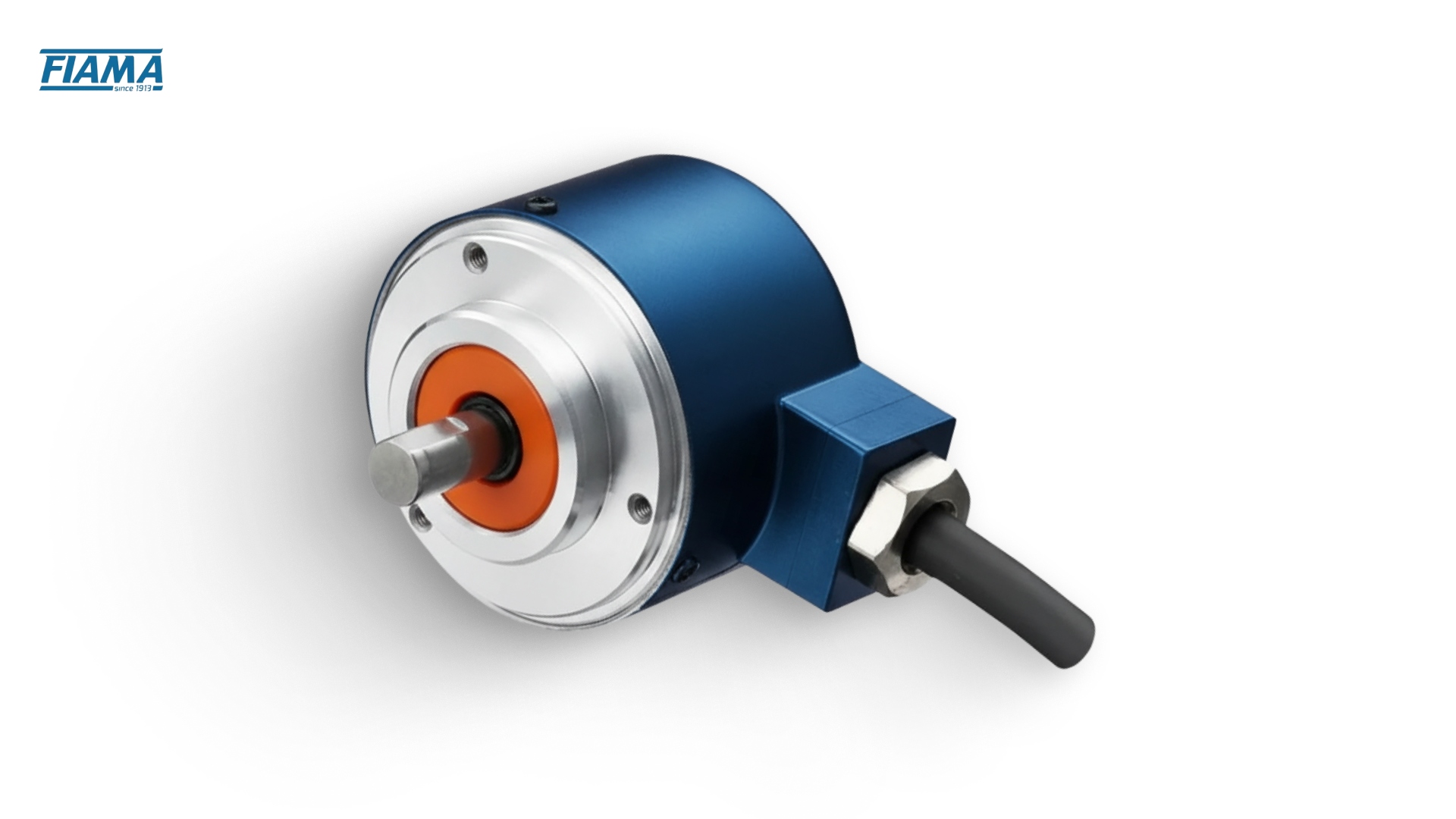
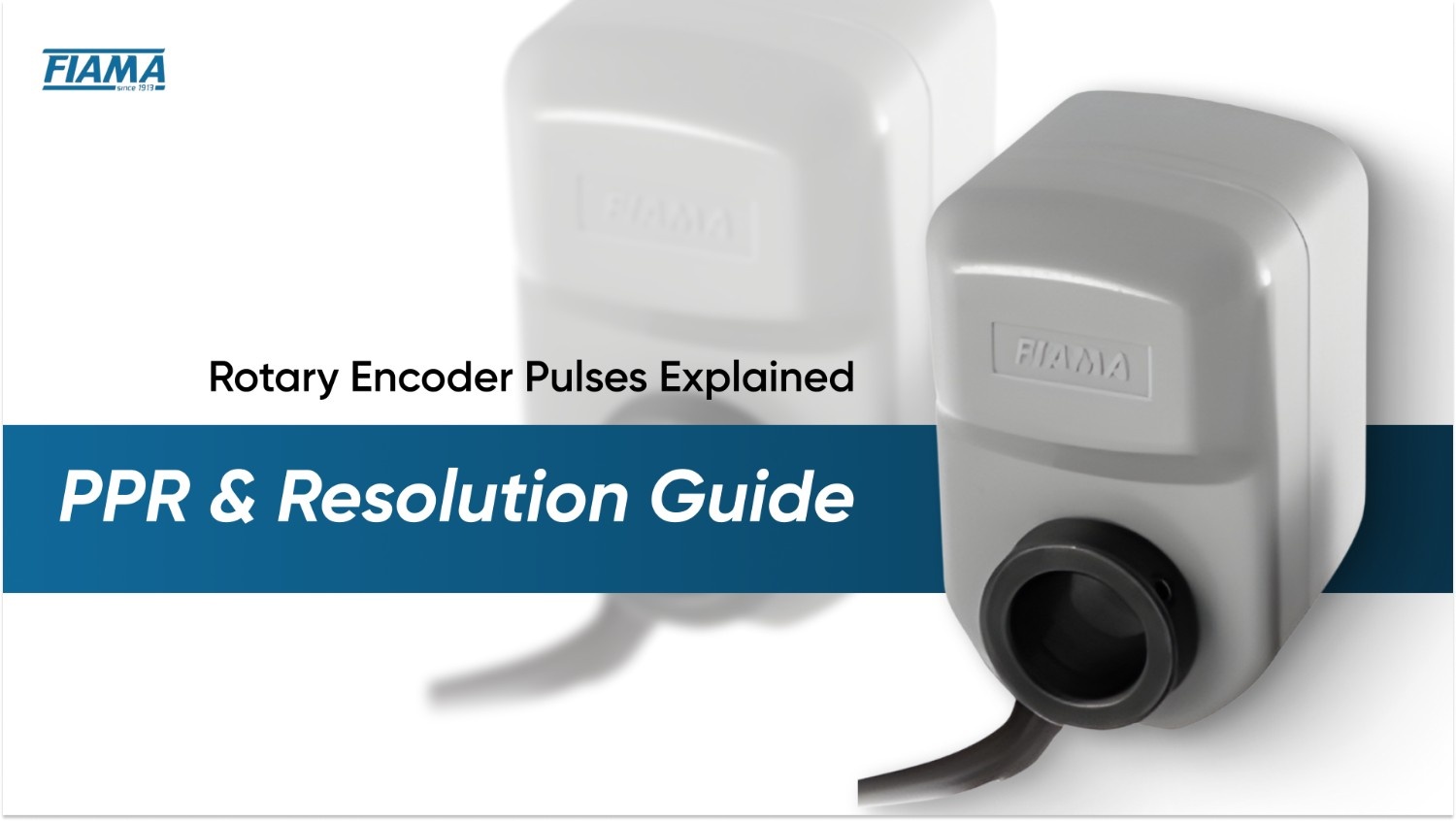
FIAMA’s EN Series hollow‑shaft encoders deliver reliable pulse output (10–500 ppr) for incremental motion tracking.
Absolute Encoders: Unlike incremental encoders, absolute encoders provide a unique pulse for each position, ensuring exact positioning even after power loss.
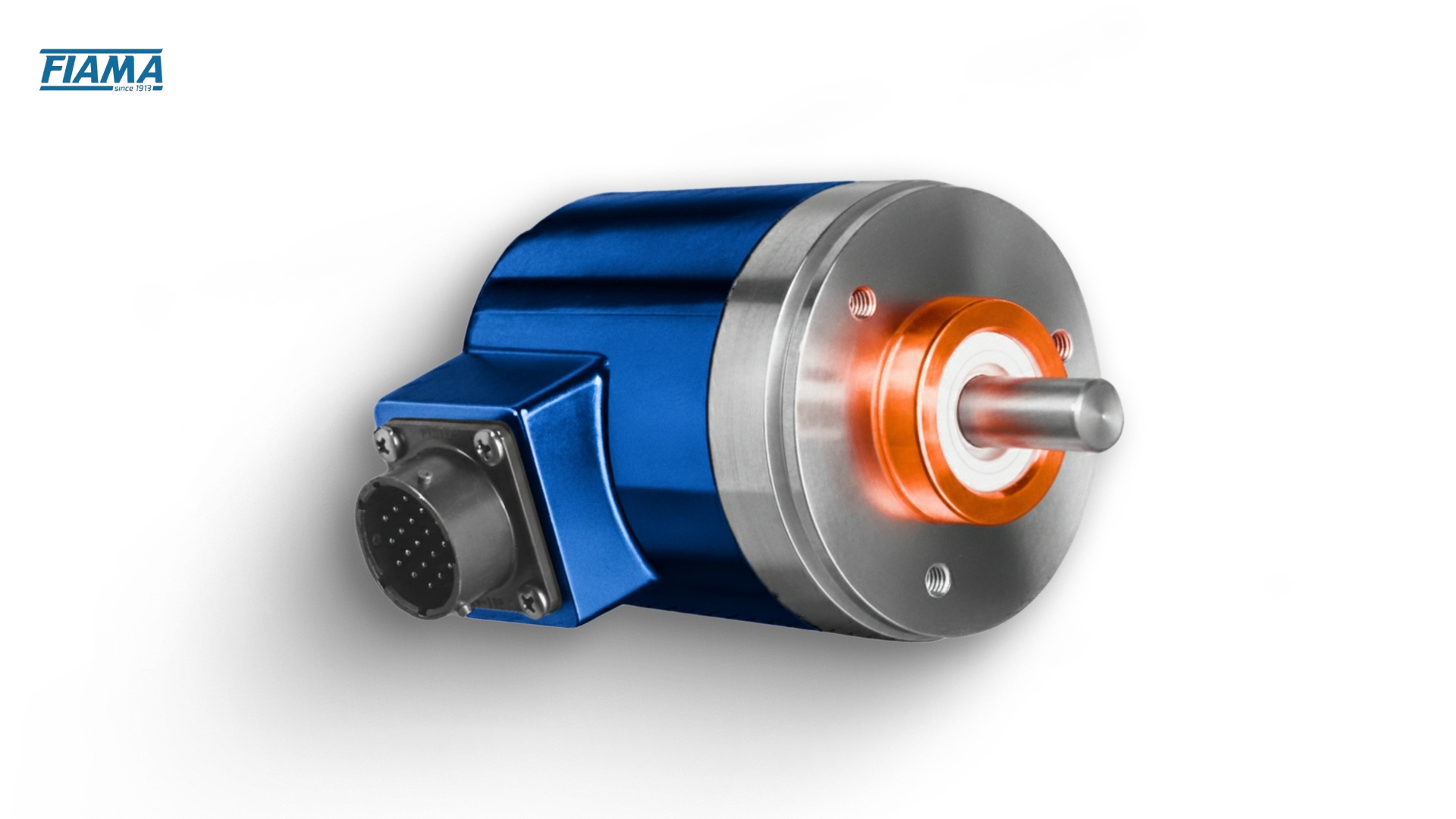
Fiama’s MAT Absolute Encoder (with SSI Gray or Binary output) offers absolute position feedback, ideal when precise, power‑independent positioning is required.
Linear Position Sensors: These sensors detect linear motion rather than rotational movement and are used in applications like conveyor systems or material handling.
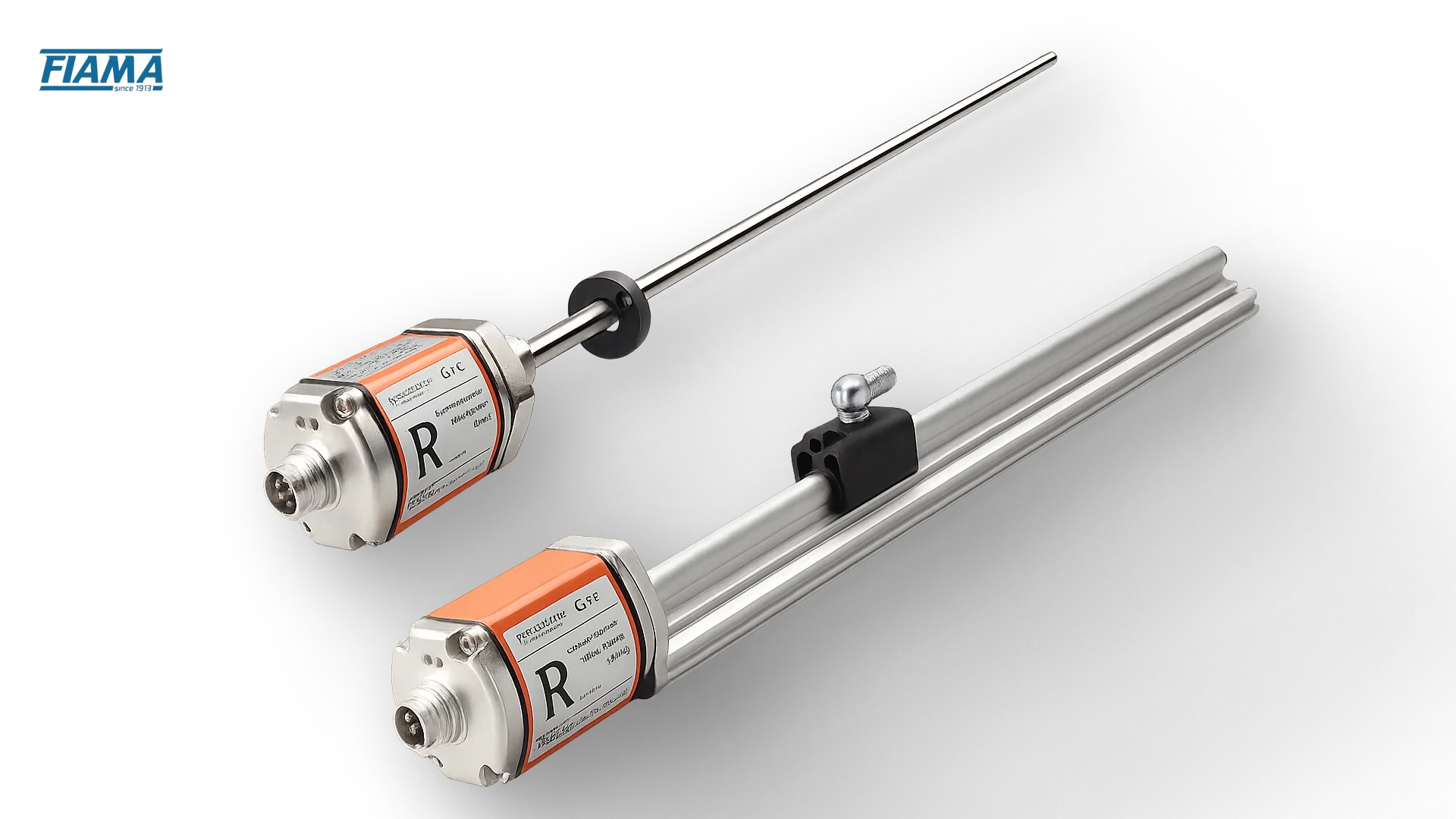
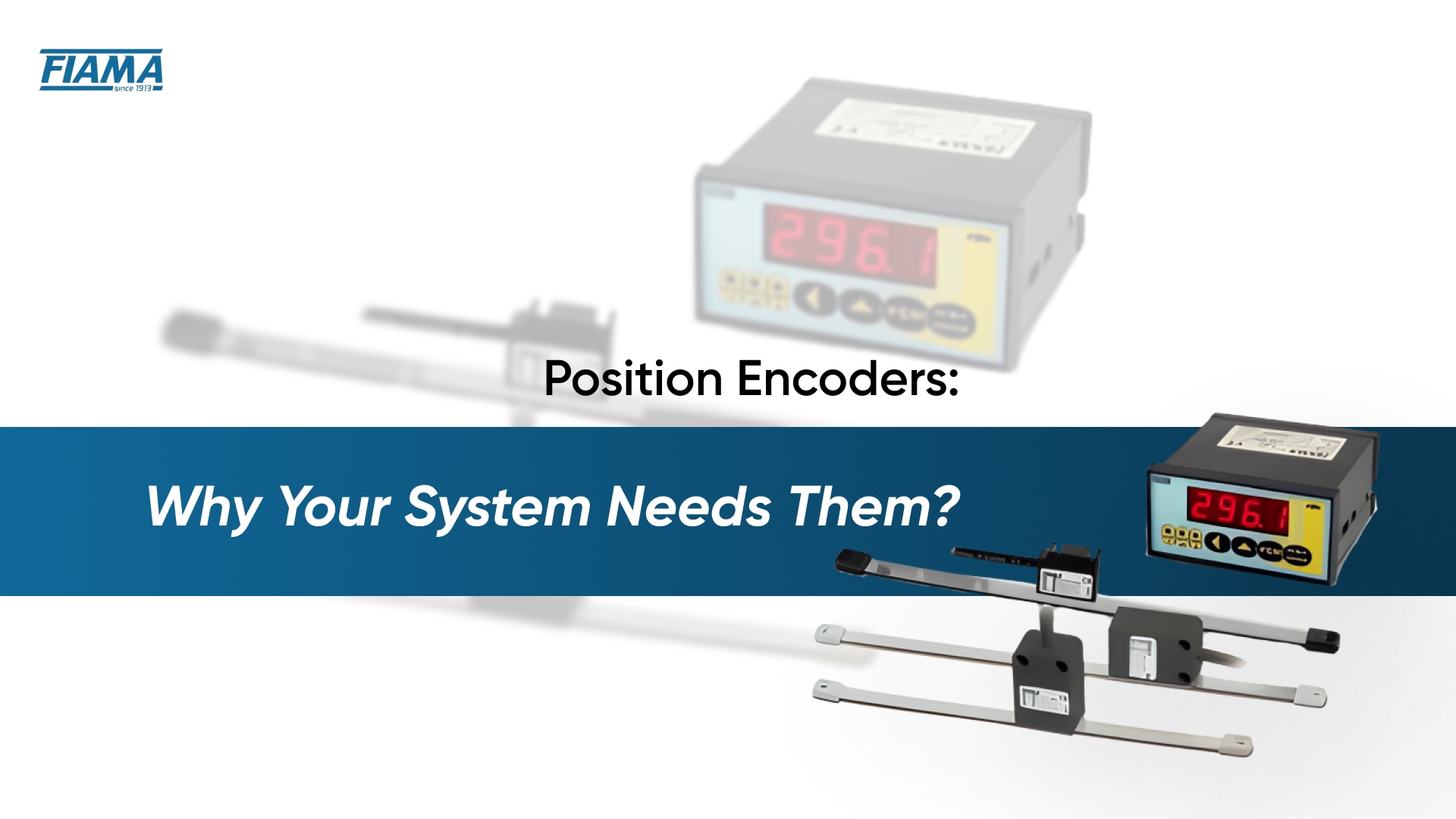
Fiama's Linear Potentiometer Transducers and magnetic‑band encoders provide dependable linear position feedback over various stroke lengths for conveyor, material handling, and linear‑motion systems.
Why Pulse Position Sensors are Crucial for Motion Control?
In industries where precision is key, pulse position sensors provide several critical advantages:
High Precision: Pulse position sensors offer high-resolution feedback, allowing systems to achieve fine-tuned motion control for processes requiring accuracy, such as in CNC machinery or robotic arms.
Real-time Feedback: Continuous pulse signals provide real-time updates to control systems, ensuring the system can make immediate adjustments as needed to maintain accuracy.
Minimizing Errors and Downtime: By providing accurate position data, these sensors help reduce errors in mechanical movements, preventing costly downtime caused by incorrect positioning.
Real-Life Example: Pulse Position Sensors in Robotics
In robotic arms used in automated assembly lines, pulse position sensors track the precise position of the arm, allowing for coordinated movement and assembly of parts. This feedback enables the system to avoid collisions, reduce human error, and increase efficiency.
Applications of Pulse Position Sensors in Industries
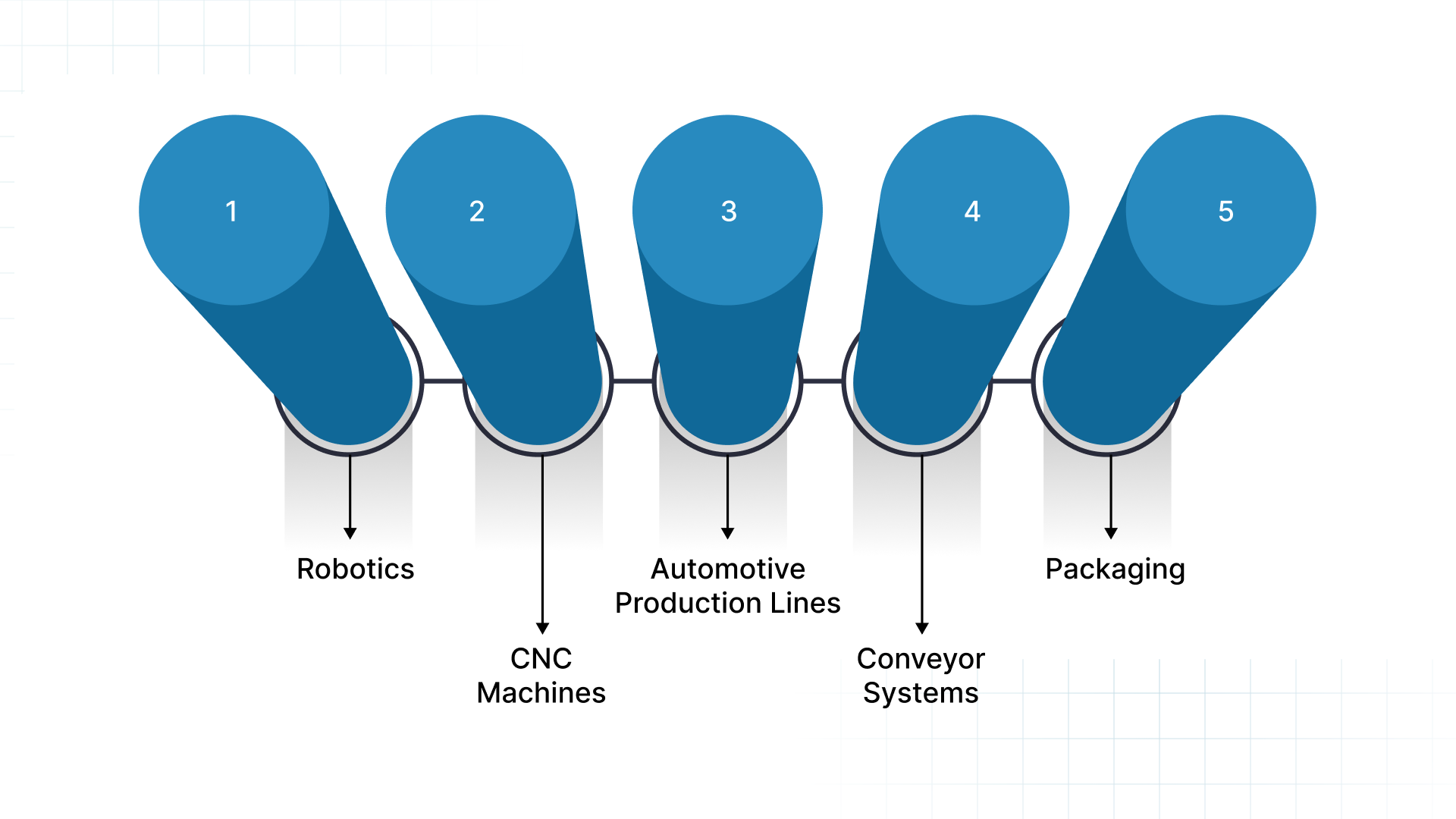
Pulse position sensors are vital for a wide range of industries that require precise motion control to ensure smooth, efficient, and accurate operations. These sensors provide critical position feedback, enabling systems to perform complex tasks with high levels of precision. Their versatility makes them an essential component in applications ranging from manufacturing to aerospace, robotics, medical devices, and beyond.
Below are some common applications where pulse position sensors play a key role in enhancing performance, reliability, and accuracy.
1. Robotics
Robotic systems rely heavily on pulse position sensors to achieve precise control over movements. These sensors enable pick-and-place operations, assembly, and welding robots to perform repetitive tasks with high precision and accuracy, ensuring that products are assembled correctly and safely.
2. CNC Machines
In CNC machinery, pulse position sensors allow the system to track tool movements and adjust them to the desired position with high accuracy. This is critical in industries like aerospace, automotive, and electronics, where precision is paramount.
3. Automotive Production Lines
Pulse position sensors ensure that automated assembly lines in the automotive industry run smoothly. Whether positioning robotic arms for welding or managing conveyor speeds, these sensors provide real-time feedback that supports efficiency, safety, and quality in mass production.
4. Conveyor Systems
Pulse position sensors in conveyor systems help track the position of moving materials or products, ensuring that they are precisely aligned and directed to the next stage in the manufacturing process, which improves both speed and accuracy.
5. Packaging
In automated packaging, pulse position sensors help guide and position packaging materials accurately, ensuring that each product is packed and sealed in the correct manner. These sensors contribute to efficient, high-speed packaging lines in industries such as food and beverage, pharmaceuticals, and consumer goods.
Key Benefits of Pulse Position Sensors in Motion Control
Pulse position sensors bring multiple benefits to motion control systems by providing precise, real-time feedback on rotational movement. These sensors play a pivotal role in enhancing system accuracy, speed, and overall efficiency.
Here are the multiple benefits of these sensors:
Increased Accuracy: With pulse feedback, motion systems can make fine adjustments, ensuring higher precision in tasks such as assembly or machining.
Enhanced Efficiency: Continuous feedback allows for real-time corrections, minimizing delays and improving overall throughput.
Reduced Risk of Failure: These sensors help detect faults early by providing constant data on the position of moving components, reducing the likelihood of system failures or errors.
Adaptability: Pulse position sensors can be integrated into various industrial systems, from low-speed applications to high-precision, high-speed operations.
Best Practices for Integrating Pulse Position Sensors
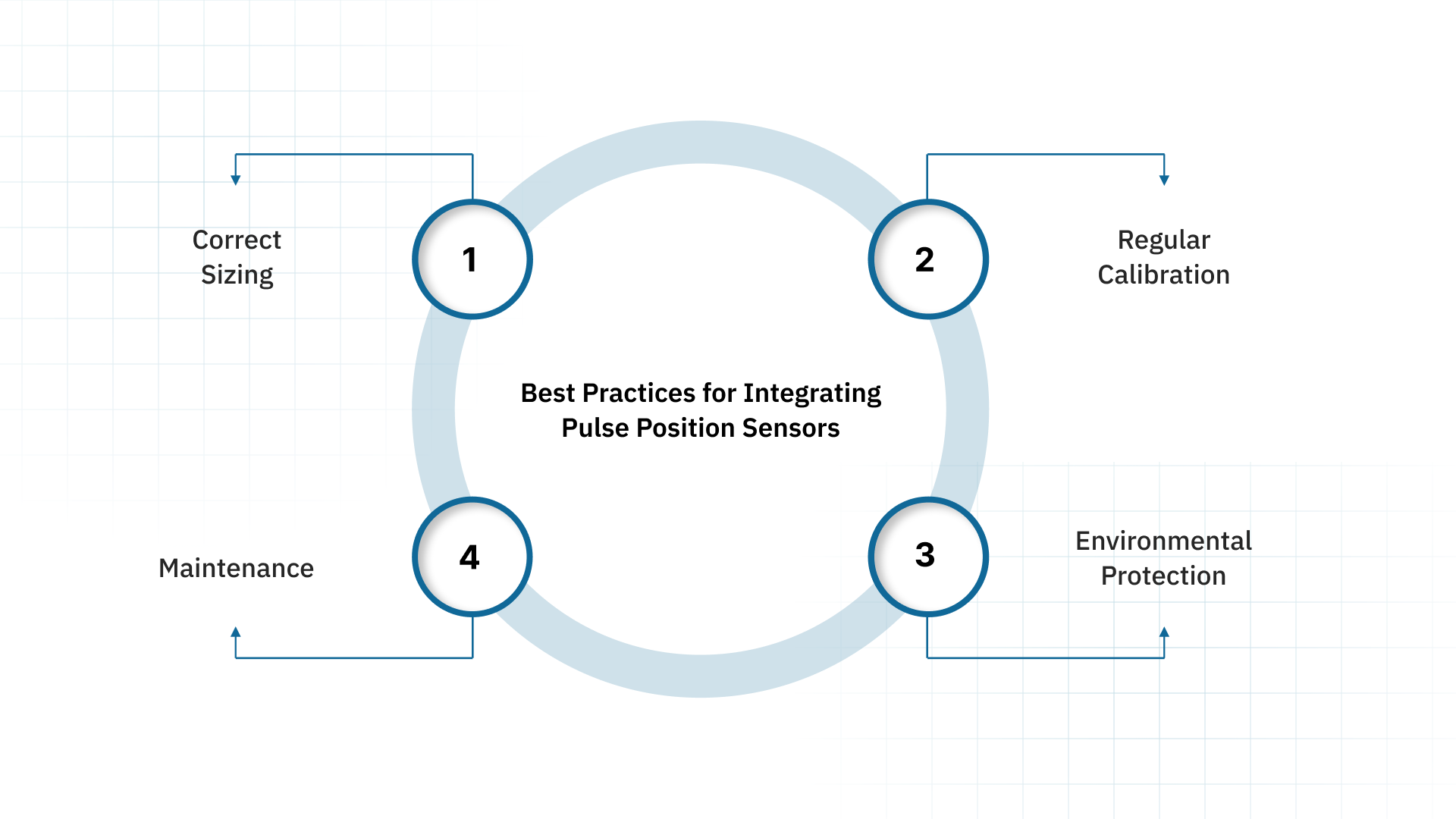
To make the most of pulse position sensors in your motion control applications, it’s essential to follow these best practices. Pulse position sensors provide highly accurate feedback on rotational movement, making them crucial for precise motion control in a variety of systems, including robotics, CNC machines, and automation processes.
Let's look at them in detail:
Correct Sizing: Choose the right type of sensor based on the application’s precision requirements. For example, an absolute encoder is necessary for systems requiring precise, error-free positioning, especially after power interruptions.
Regular Calibration: Ensure that sensors are calibrated regularly to maintain their accuracy over time, particularly in high-usage environments.
Environmental Protection: Sensors in harsh environments (e.g., high dust or humidity) should be properly housed and sealed to avoid damage from external factors.
Maintenance: Regular maintenance checks on pulse position sensors and associated systems are necessary to prevent mechanical failures and downtime.
How Fiama Can Help with Pulse Position Sensors
Fiama is a leading provider of precision sensors for motion control applications, offering innovative pulse position sensors that ensure accurate feedback, reliable performance, and long-term durability.
Here’s how Fiama helps industries optimize their motion control systems:
1. High-Quality, Durable Sensors
Fiama’s sensors are built to withstand harsh industrial environments, offering long-lasting durability, even in challenging conditions such as high vibration, extreme temperatures, and moisture exposure.
2. Seamless Integration with Control Systems
Fiama’s pulse position sensors integrate smoothly with control systems like PLCs, SCADA, and DCS, ensuring real-time, accurate data that enhances process efficiency and system reliability.
3. Predictive Maintenance Capabilities
Fiama’s IoT-enabled sensors provide predictive maintenance features, allowing facilities to monitor sensor performance continuously and anticipate maintenance needs before they lead to downtime or costly repairs.
4. Customizable Solutions
Fiama offers a range of sensors designed to fit various industrial applications, from robotics and automated assembly lines to CNC machines and conveyor systems, providing customizable solutions tailored to your unique needs.
5. Expert Support
Fiama’s team of experts offers comprehensive support, from selecting the right sensor for your application to providing installation guidance and maintenance recommendations. With Fiama, you’re not just purchasing a product — you’re gaining a partner in operational efficiency.
Wrapping Up
Pulse position sensors are indispensable for motion control applications, offering precise feedback and real-time monitoring that enhances accuracy, efficiency, and safety across industries. Whether in robotics, automated assembly lines, or CNC machining, these sensors ensure that your systems operate seamlessly.
By adopting IoT-enabled sensors, regular calibration, and predictive maintenance, industries can avoid costly downtime and optimize their operational performance. With Fiama’s advanced sensors and expert support, you can ensure that your motion control systems remain precise, efficient, and reliable.
Struggling with inaccurate motion control or inconsistent position feedback in your systems? Contact Fiama today for reliable and real-time tracking.
FAQs
Q1: What are pulse position sensors used for?
A: Pulse position sensors provide real-time feedback on the position of moving parts in automated systems, ensuring precise control in applications like robotics, CNC machines, and manufacturing lines.
Q2: Why is calibration important for pulse position sensors?
A: Calibration ensures that the sensor's readings align accurately with the actual valve or motor position, maintaining system reliability and preventing errors or misalignment that can disrupt operations.
Q3: How does IoT improve pulse position sensors?
A: IoT-enabled pulse position sensors offer real-time diagnostics, predictive maintenance, and remote monitoring, reducing downtime and enabling proactive troubleshooting before issues lead to costly repairs.
Q4: Can pulse position sensors be used in harsh environments?
A: Yes, pulse position sensors are designed to withstand harsh conditions, such as high vibration, temperature fluctuations, and exposure to moisture, making them ideal for industrial environments.
Q5: How do I choose the right pulse position sensor for my application?
A: The right sensor depends on factors such as required precision, environmental conditions, and whether continuous or absolute position feedback is needed. Consulting with an expert can help you select the best option.