
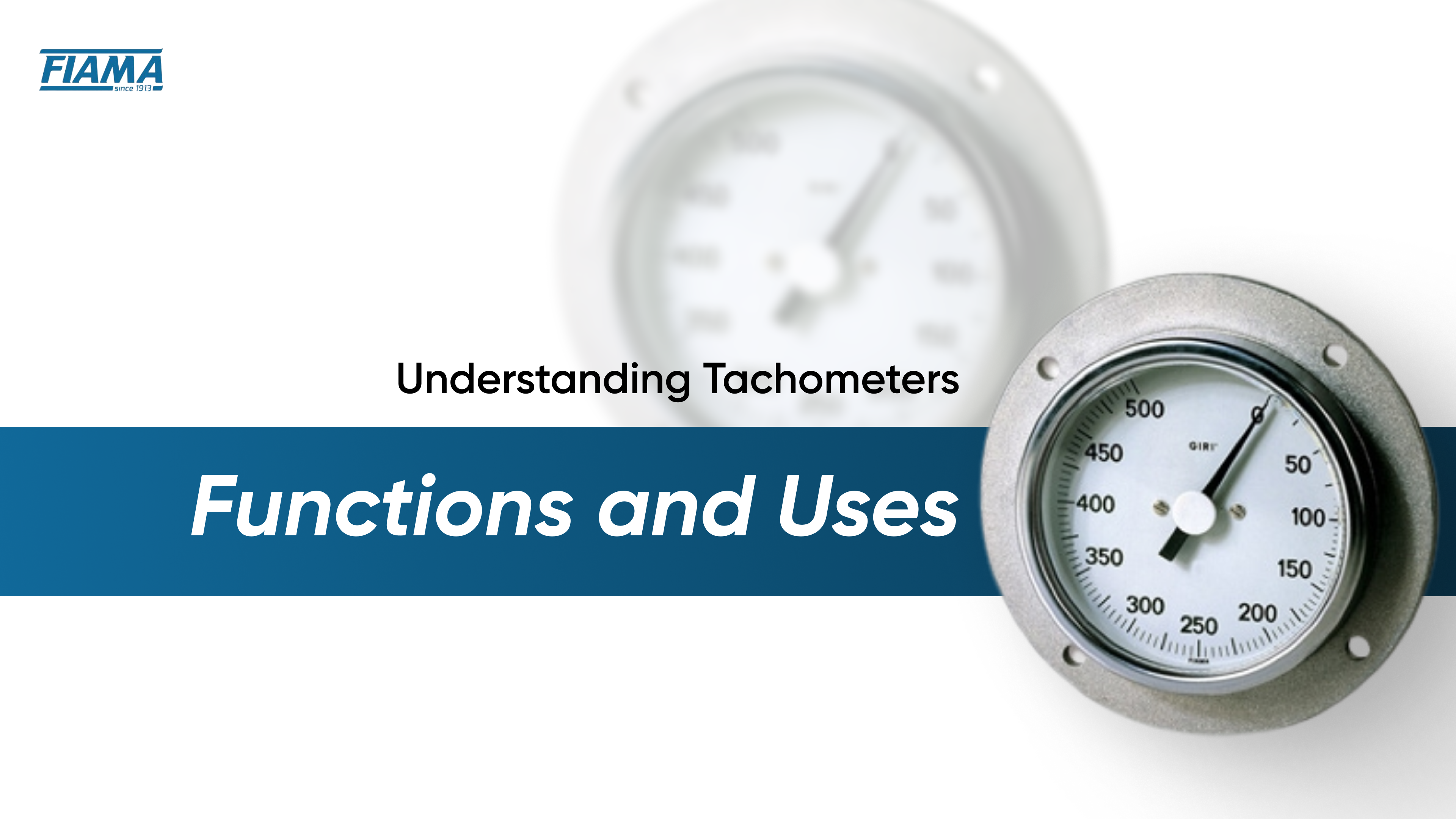
Tachometers are critical tools in industrial applications, providing precise rotational speed measurements that help maintain operational efficiency, ensure equipment health, and enhance safety. As the global tachometer market is valued at USD 28.2 million in 2025 and is expected to reach USD 66.8 million by 2035, growing at a robust CAGR of 9.0%, demand for these devices is set to surge across industries.
In the U.S. wholesale market, tachometers play an essential role in sectors such as automotive, manufacturing, HVAC, and aerospace, offering businesses the ability to monitor engine, motor, and machinery performance in real-time.
In this blog, we will explore the key functions of tachometers, highlight their various industrial applications, and provide valuable insights for wholesale buyers looking to source the right tachometer to meet their operational needs.
In a Nutshell
Critical for Performance and Safety: Tachometers measure the rotational speed (RPM) of machinery, ensuring efficient operation, preventing overloading, and enhancing safety by maintaining optimal performance levels.
Non-Contact Measurement Benefits: Non-contact tachometers are ideal for high-speed or sensitive machinery, preventing wear and tear on components, and providing measurements without physical interaction, which is crucial in hazardous or hard-to-reach environments.
Predictive Maintenance and Downtime Prevention: Tachometers enable early fault detection by identifying RPM fluctuations, allowing for predictive maintenance that reduces unexpected breakdowns, lowers repair costs, and ensures consistent operational performance.
Industry-Specific Applications: Tachometers are used across sectors such as automotive, aerospace, manufacturing, HVAC, and agriculture, helping optimize machinery performance, improve energy efficiency, and extend equipment life in each field.
Technological Advancements Driving Market Growth: The rise of digital and wireless tachometers, along with integration with automation systems, is shaping the future of tachometer technology.
Key Functions of Tachometers in Industrial Applications
Tachometers serve multiple functions in different industrial applications. Their primary role is to measure and monitor the rotational speed of engines, motors, shafts, and other rotating components.
Understanding these key functions can help businesses optimize operations and improve machinery performance.
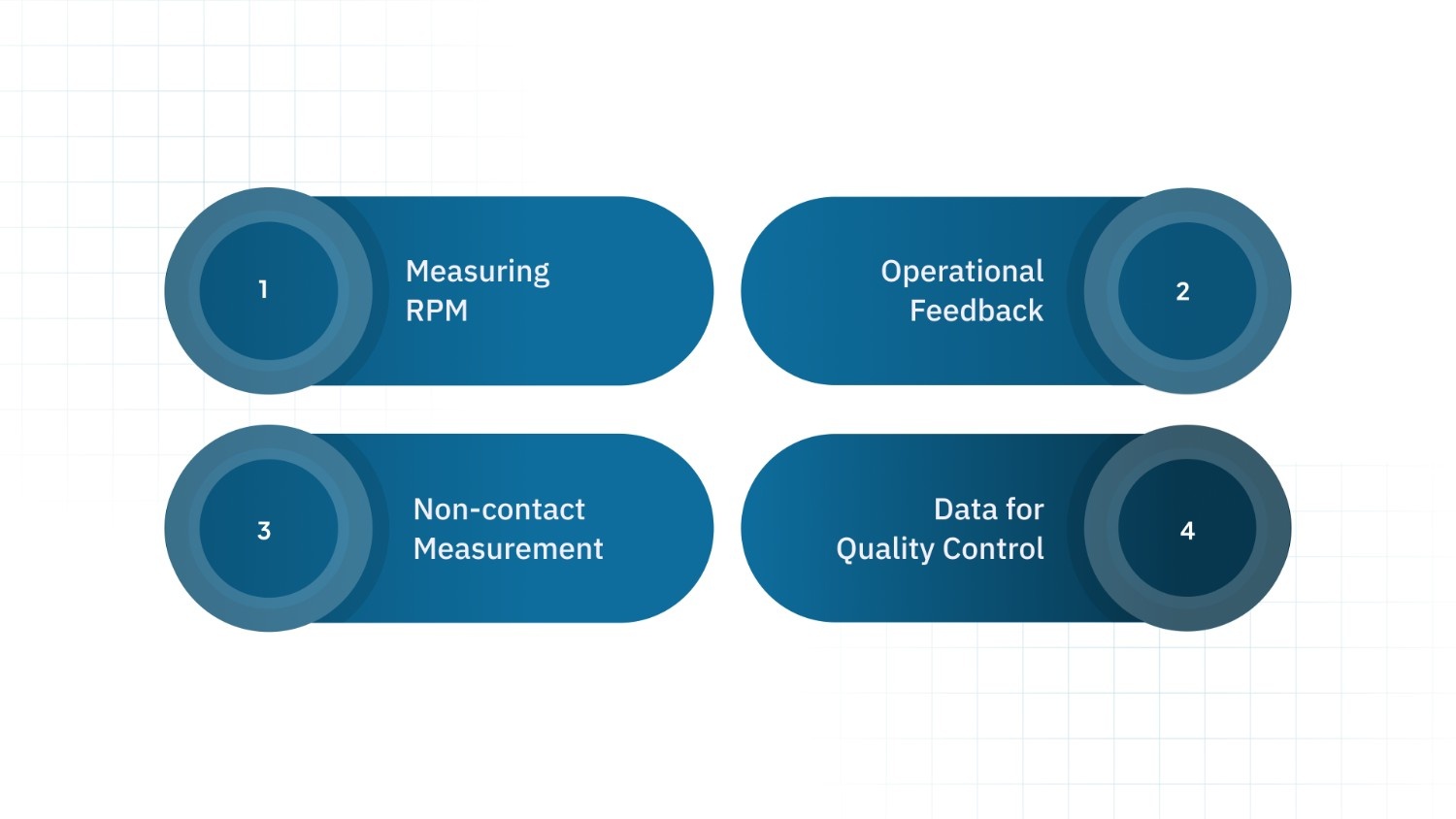
Measuring RPM: The primary function of a tachometer is to measure the revolutions per minute (RPM) of rotating parts, such as engines, motors, and turbines. Accurate RPM measurements are critical for maintaining machine performance and avoiding underperformance or overloading. These measurements are used to track speed, ensuring that machines are working within optimal parameters.
Operational Feedback: Tachometers provide real-time feedback for machinery control, optimizing engine and motor performance. By monitoring RPM, operators can adjust system parameters, ensuring that equipment functions at peak efficiency. This feedback also helps in detecting deviations from normal performance, enabling predictive maintenance that can prevent downtime and costly repairs.
Non-contact Measurement: Non-contact tachometers are designed to measure RPM without physically interacting with the rotating part. This is especially beneficial for high-speed or sensitive machinery, where physical contact could cause wear or damage. Non-contact measurement also helps in applications where it’s difficult to install a traditional contact-based tachometer, such as in hazardous or hard-to-reach environments.
Data for Quality Control: Tachometers provide essential data for quality control, ensuring that systems comply with operational standards and safety regulations. This data is critical for maintaining product quality, calibration, and process consistency. In industries such as manufacturing and aerospace, this feedback contributes to maintaining product specifications and safety compliance.
How Does a Tachometer Help in Industrial Applications?
Tachometers are indispensable tools in industrial settings, offering precise measurements of rotational speed (RPM) for engines, motors, and other rotating components. Their ability to track RPM plays a crucial role in optimizing machinery performance, ensuring safety, and extending the lifespan of critical equipment.
Let's explore how tachometers improve efficiency, reduce maintenance costs, and prevent downtime across various industrial applications.
1. Optimizing Performance and Efficiency
Tachometers help optimize operational efficiency by ensuring machinery operates at the correct speed. Accurate RPM measurement allows operators to adjust equipment settings in real time, maintaining optimal performance.
How Tachometers Help:
Prevent Overloading: Tachometers ensure machines run within their rated RPM range, preventing overloading or underperformance that could lead to equipment damage.
Energy Efficiency: By maintaining consistent RPM levels, tachometers contribute to energy efficiency. Machinery operating at optimal speeds uses less energy, reducing operating costs.
2. Predictive Maintenance and Minimizing Downtime
Preventive maintenance is essential to avoid unexpected machine failures. Tachometers play a vital role in early fault detection by continuously measuring RPM and identifying abnormalities.
How Tachometers Help:
Early Detection of Issues: Tachometers can identify irregular speed fluctuations, signaling potential mechanical problems like wear or malfunctioning components, allowing for timely intervention before a failure occurs.
Reduced Maintenance Costs: Regular RPM monitoring ensures that components are replaced or serviced when needed, preventing costly emergency repairs and reducing the need for expensive unplanned downtime.
3. Improving Equipment Longevity
The lifespan of machinery and components is heavily influenced by how well they are maintained. Tachometers help ensure machines operate within their optimal RPM range, reducing wear and tear and extending the life of equipment.
How Tachometers Help:
Consistent Operation: Maintaining consistent RPM levels prevents excessive strain on machine parts, reducing the likelihood of premature wear or failure.
Load Balancing: Tachometers help distribute workload evenly across machines by monitoring RPM, ensuring that components aren’t overworked and are functioning at their designed efficiency levels.
4. Supporting Safety and Compliance
In industrial environments, maintaining equipment within safe operating parameters is critical to both safety and compliance. Tachometers help monitor RPM to ensure that machinery operates within legal and safety standards.
How Tachometers Help:
Compliance with Industry Regulations: Tachometers ensure that machinery operates within the required RPM limits, which is essential for meeting regulatory standards across industries such as manufacturing, automotive, aerospace, and HVAC.
Safety Monitoring: Tachometers help prevent dangerous situations by alerting operators to dangerous speed deviations that could pose safety risks, protecting both personnel and equipment.
5. Enabling Real-Time Feedback and Control
Modern tachometers often come equipped with digital displays or integration with automated control systems. This real-time feedback provides operators with actionable data, allowing them to make adjustments on the fly.
How Tachometers Help:
Instant RPM Readings: Tachometers provide immediate feedback, allowing operators to adjust machinery settings in real-time for enhanced precision and efficiency.
Integration with Automation Systems: Many tachometers are designed to integrate with automated systems, enabling automatic adjustments to maintain consistent speed and performance without manual intervention.
6. Supporting Quality Control and Production Consistency
Tachometers are crucial in ensuring that industrial machinery operates consistently throughout production cycles. By maintaining consistent RPM, tachometers help improve product quality and reduce variations that can lead to defects.
How Tachometers Help:
Precise Speed Control: Maintaining a constant RPM ensures uniform processing speed, which is essential in industries such as packaging, textiles, and food processing, where product consistency is key.
Preventing Errors and Waste: Tachometers help reduce errors caused by incorrect machine speeds, ensuring a consistent manufacturing process and minimizing waste.
Struggling to maintain consistent machine performance and reduce downtime? Fiama’s industrial-grade tachometers provide precise RPM measurements and customizable mounting options, ensuring accurate monitoring, improved efficiency, and proactive maintenance
Priority Industries for Tachometer Wholesale in the U.S.
Tachometers are used in a wide range of industries across the U.S., each with unique requirements and challenges. Here are some of the primary sectors that rely heavily on tachometers to monitor rotational speed and optimize equipment performance:
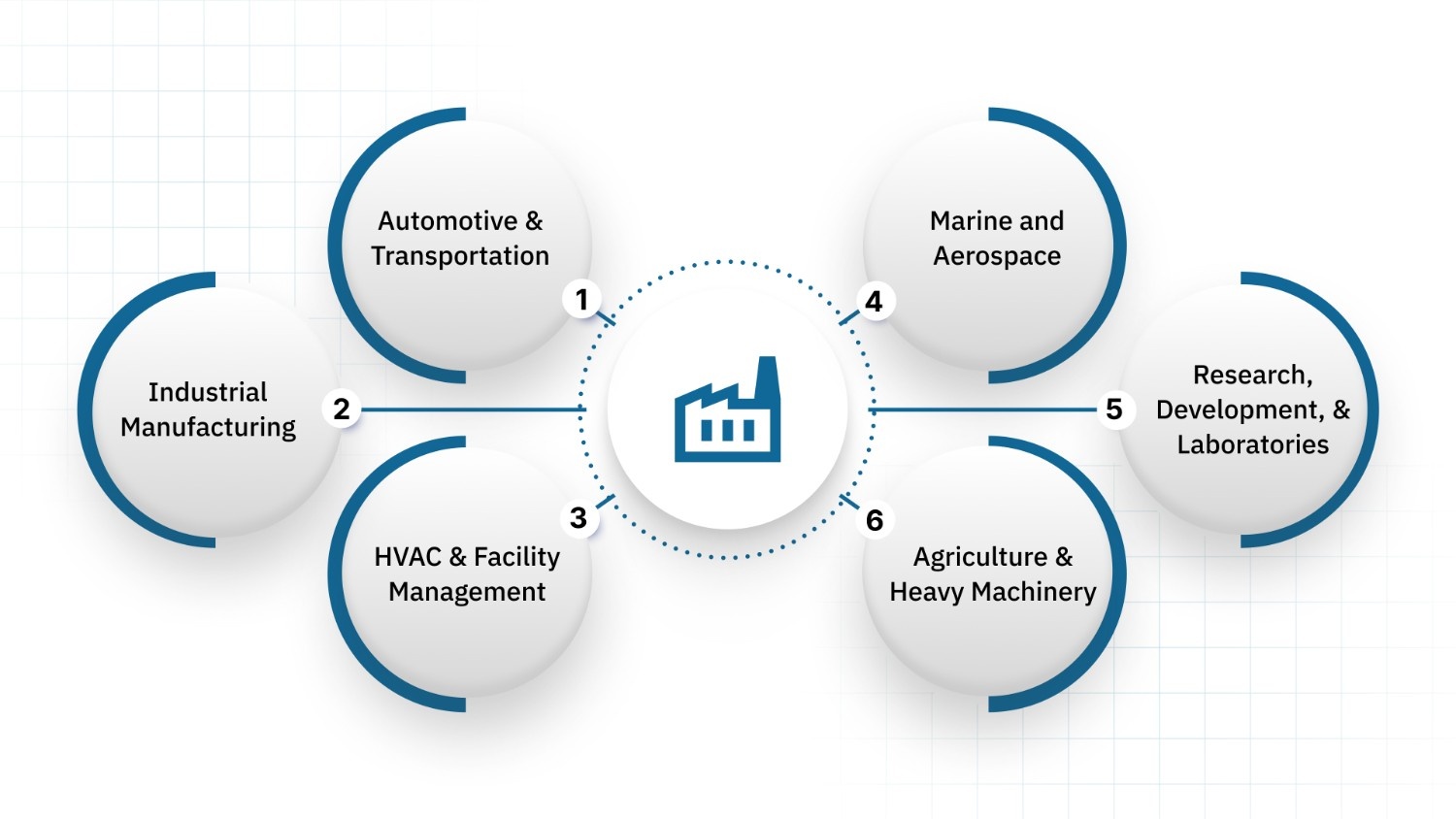
Automotive and Transportation:
In the automotive and transportation sectors, tachometers measure engine RPM to optimize performance, fuel efficiency, and engine health. Tachometers are used in cars, trucks, trains, and aerospace equipment to ensure engines are running at their most efficient levels. Accurate RPM measurements help maintain engine longevity, reduce fuel consumption, and enhance overall vehicle performance.
Industrial Manufacturing:
Tachometers are critical for monitoring motor speeds in industrial manufacturing environments. They are used in conveyor belts, machine tools, pumps, and other production equipment to ensure that machinery operates at the correct speed. This helps prevent downtime, maintain consistent throughput, and avoid mechanical failure, which could lead to significant disruptions in production.
HVAC and Facility Management:
In HVAC systems and facility management, tachometers are used to monitor fan speeds, air handling units, and ventilation systems. Accurate RPM measurement ensures energy-efficient operation and optimal environmental control. By monitoring fan speed and airflow, tachometers help improve energy efficiency, reduce wear on components, and ensure proper air circulation within facilities.
Marine and Aerospace:
Tachometers are essential in the marine and aerospace industries for assessing engine and turbine speeds. In boats, ships, and aircraft, precise RPM monitoring ensures that engines are performing within safe and optimal limits. This is crucial for performance, fuel efficiency, and safety assurance, especially in high-risk environments like marine and air transport.
Research, Development, and Laboratories:
In research and development labs, tachometers are used for experimental setups, calibration, and machinery testing. Precise RPM measurements are vital in validating test results, conducting product research, and ensuring the accuracy of laboratory equipment. Tachometers enable researchers to monitor motor speeds in a controlled environment, ensuring the validity of their findings.
Agriculture and Heavy Machinery:
Tachometers are used in agriculture and heavy machinery to monitor tractors, harvesters, and other farm equipment. Accurate RPM measurement ensures that these machines operate efficiently, reducing wear and tear on components. Tachometers also help farmers optimize fuel consumption and maintain proper speeds during operations, improving productivity and prolonging equipment lifespan.
What To Look for When Choosing Tachometers?
When purchasing tachometers in the wholesale market, buyers consider several critical factors to ensure the devices meet their operational needs and provide long-term value. These considerations include accuracy, durability, ease of integration, and supplier support.
Let's explore what to look for when choosing Tachometers:
Accuracy: Buyers prioritize high-accuracy tachometers to ensure the precise monitoring of rotational speed, which directly impacts machinery performance and maintenance schedules.
Durability: Buyers need tachometers that can withstand harsh industrial environments, high speeds, and continuous operation. Durability is crucial for minimizing downtime and reducing maintenance costs.
Ease of Integration: Tachometers should be easy to integrate into existing systems, ensuring that they seamlessly fit into machinery without requiring extensive modifications or causing disruptions to operations.
Supplier Support: Long-term supplier relationships are valued, particularly those offering strong customer support, after-sales service, and spare parts availability.
Bulk Purchasing
Industrial buyers typically purchase tachometers in bulk for operational continuity, spare parts inventory, and OEM sourcing. Bulk purchasing helps maintain consistent operations and avoid delays or interruptions in production.
Compliance Requirements
Buyers are often required to comply with U.S. industrial standards and certifications for safety and reliability. Ensuring that tachometers meet these standards is a critical factor in purchasing decisions.
Market Trends and Opportunities
The tachometer market in the U.S. is evolving with new technological advancements and growing demand across industries. Here are some key trends and opportunities:
Technological Advancements: The rise of digital tachometers, wireless RPM monitoring, and integration with automated control systems is driving the future of tachometers. These technologies offer real-time data, improve accuracy, and support predictive maintenance, reducing the need for manual intervention.
Growth in Demand: As industries increasingly focus on precision, operational efficiency, and predictive maintenance, the demand for tachometers is expected to rise, especially in sectors like automotive, manufacturing, aerospace, and energy.
Sustainability and Efficiency: Tachometers contribute to sustainability efforts by optimizing machinery performance, reducing energy waste, and improving the longevity of equipment, thus supporting industries’ green initiatives and operational efficiency goals.
How Fiama Supports Reliable Tachometer-Based Monitoring?
Fiama offers a range of high-quality tachometers designed to provide accurate and reliable monitoring of machine speed, vital for optimizing performance and preventing downtime. Whether you're tracking motor RPM, conveyor speeds, or shaft rotations, Fiama's products are engineered to integrate seamlessly into machine monitoring systems for real-time data collection.
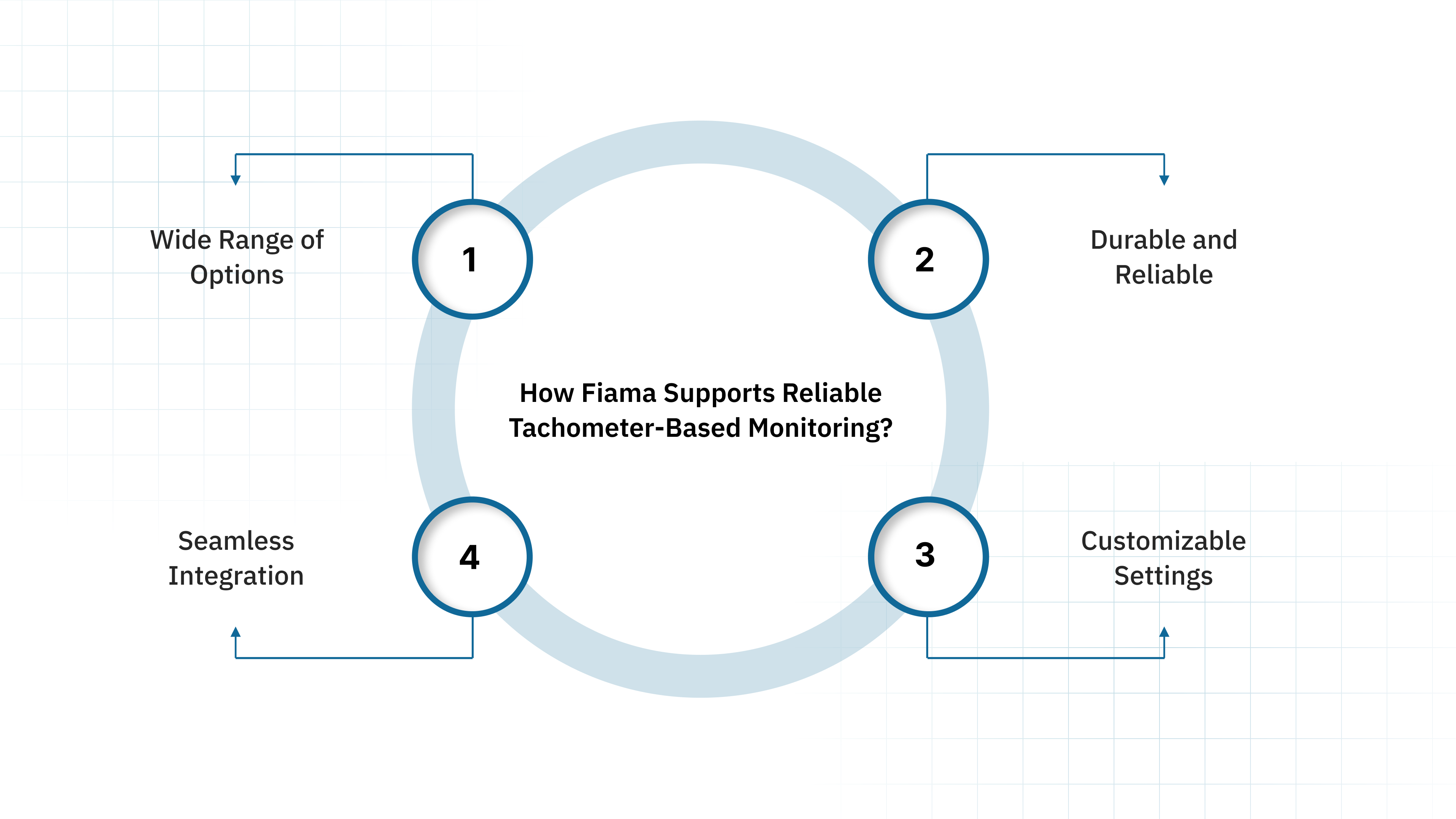
Key Benefits of Fiama Tachometers:
Wide Range of Options: Fiama offers both panel-mount and handheld tachometers, with models that cover speeds from 150 to 5000 RPM, making them suitable for various industrial applications.
Durable and Reliable: Built for industrial environments, Fiama tachometers feature rugged, IP-rated housings that ensure durability and consistent performance in harsh conditions.
Customizable Settings: Fiama's tachometers are highly adaptable, allowing you to adjust gear ratio and calibration to ensure they match the specific needs of your machinery.
Seamless Integration: Fiama tachometers easily integrate with existing machine monitoring systems, enabling comprehensive tracking of performance metrics and providing actionable insights into machine health.
Fiama’s tachometers help manufacturers monitor rotational speed, optimize machine performance, and schedule timely maintenance, ensuring smoother operations and reducing unplanned downtime.
Summing Up
Tachometers play a vital role in optimizing performance, ensuring equipment health, and improving efficiency across various industries. For wholesale buyers in the U.S., selecting the right tachometer supplier is crucial for minimizing downtime, ensuring regulatory compliance, and enhancing long-term operational reliability. Understanding the unique needs of each industry and selecting the appropriate tachometer features are key to achieving these goals.
For businesses seeking precision, reliability, and expert support, partnering with a trusted tachometer supplier can help streamline operations and boost productivity.
Fiama helps businesses by providing precision-engineered tachometers tailored to specific industry needs, ensuring optimal performance and reliability. Contact us today to find the right tachometer solution for your business needs.
FAQs
What is the primary function of a tachometer in industrial applications?
Tachometers are used to measure the rotational speed (RPM) of engines, motors, and rotating components, helping monitor performance and prevent machinery failure.Why is it important to measure RPM in machinery?
Monitoring RPM ensures machinery operates within optimal parameters, preventing overloading, reducing wear, and improving overall efficiency.What are the benefits of non-contact tachometers for high-speed equipment?
Non-contact tachometers prevent physical wear on components, making them ideal for high-speed or sensitive equipment where mechanical interaction could cause damage.Which industries rely most heavily on tachometers for operational efficiency?
Key industries include automotive, industrial manufacturing, HVAC, aerospace, marine, and agriculture, all of which depend on tachometers for precise speed monitoring and operational optimization.How do I choose the right tachometer supplier for my industrial needs?
Look for suppliers offering reliable accuracy, durability, ease of integration, and long-term support. Ensure that the tachometers meet industry standards and can be customized for your specific needs.