In modern packaging lines, precision has become a necessity. Even small errors in motion or length control can ripple through operations, leading to wasted material, slower production, or unplanned shutdowns. Packaging machines today run faster than ever, and the need for stable, high-quality feedback has become non-negotiable for manufacturers trying to maintain uptime and protect throughput.
Rotary encoders help packaging teams overcome these challenges. By providing real-time motion data, they stabilise key processes, support better control loops, and allow machines to maintain accuracy even under fluctuating load or speed conditions.
In fact, the global rotary encoders market is expected to reach USD 3.26 million by 2026, reflecting their growing importance in ensuring reliable, accurate operations. With accurate encoder feedback, operations teams can minimize interruptions, reduce scrap, and maintain uniform output across shifts.
This guide explains how rotary encoders support packaging lines, where they deliver the most value, and what parameters matter when selecting the right encoder for your equipment.
Key Takeaways:
Rotary encoders deliver accurate, real-time feedback, keeping packaging machinery synchronized and ensuring consistent product quality.
They boost efficiency across key processes like film feeding, conveyor indexing, cutting, labeling, and case packing while reducing scrap and downtime.
Different encoder types, incremental, absolute, optical, and magnetic, offer solutions tailored to accuracy, environment, and integration needs.
High-quality, application-focused encoders with engineering support help maintain reliable, stable, and predictable packaging operations over the long term.
What Are Rotary Encoders and Why Packaging Machinery Depends on Them?
Rotary encoders are sensors that convert rotational motion into electrical signals. In packaging machinery, they act as the “eyes” and “ears” of motion, giving controllers real-time data on speed, direction, and position—all essential for tight-tolerance operations.
Here’s why they matter in packaging equipment:
Maintain synchronized machine operations: Packaging lines require coordinated motion across conveyors, rollers, sealing jaws, feeders, and cutters. Encoders supply continuous position and speed data, helping avoid timing drift that can slow throughput.
Support essential KPIs: Accurate feedback helps reduce unplanned downtime, lower scrap rate, improve cut-to-length accuracy, and keep throughput stable during high-speed cycles.
Enable responsive automation: Real-time signals allow controllers to adjust immediately when film tension changes, a product slips, or speed varies. This supports consistent output without frequent manual corrections.
Enhance reliability and repeatability: By ensuring stable motion control, encoders help maintain product quality, protect equipment uptime, and support predictable material usage, especially in long production runs.
With a clear understanding of encoders, let's discuss how they enhance specific packaging processes.
Key Packaging Processes Where Rotary Encoders Improve Performance
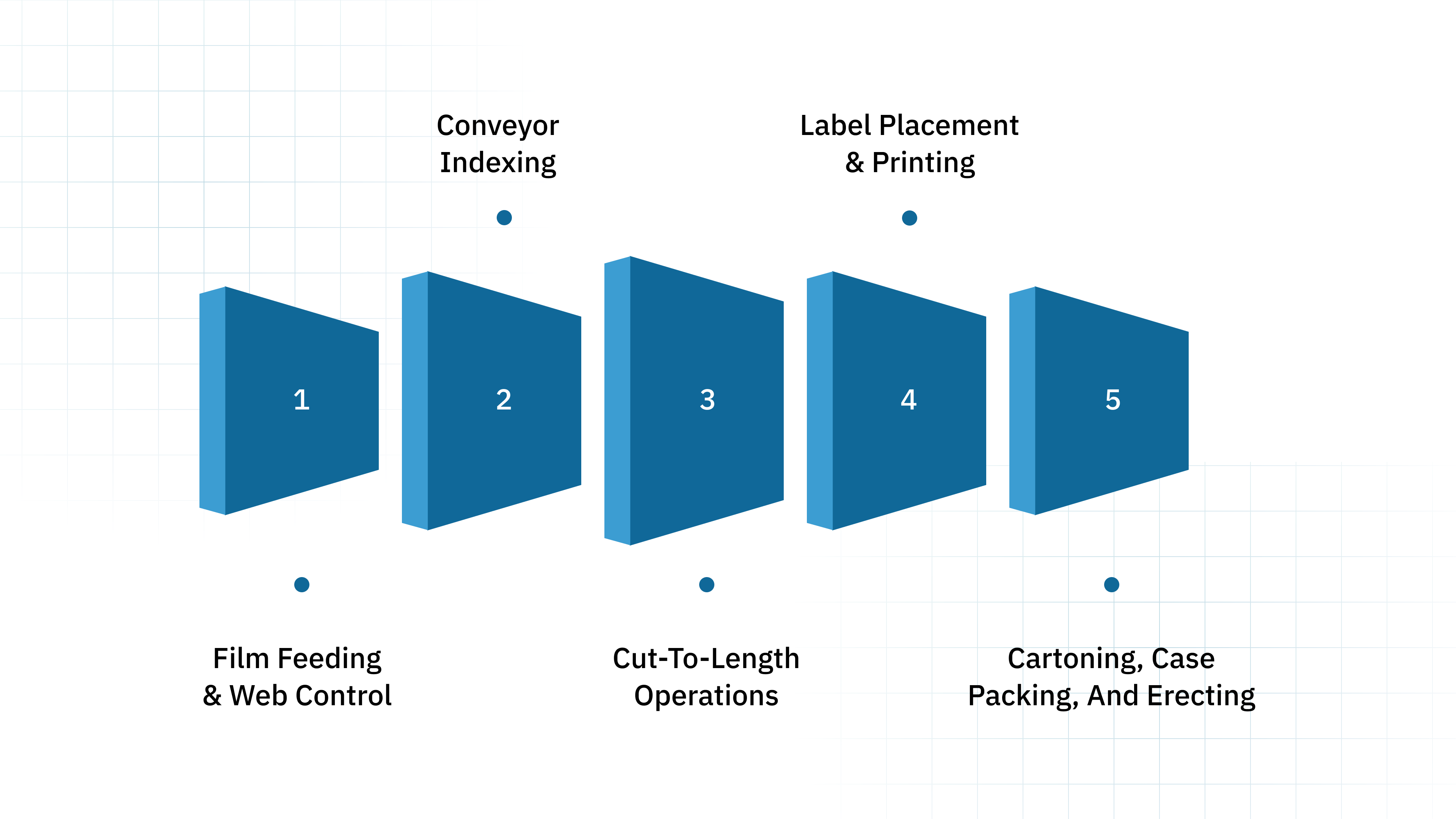
Packaging equipment involves many motion-driven operations, and encoders play a role in each. They provide the data needed to keep operations consistent, reduce scrap, and optimize throughput.
Here are some of the major packaging processes where rotary encoders play a central role:
Film Feeding and Web Control
Rotary encoders ensure smooth and consistent feeding of flexible packaging materials, helping maintain tension, alignment, and speed across long production runs. They play a key role in reducing film waste and avoiding miscuts.
Stable Film Speed: Encoders continuously measure roll rotation to keep film speed stable, preventing stretching or tearing.
Tension Management: Feedback allows automated tension adjustments, reducing wrinkles and misalignment.
Registration Tracking: Tracks printed marks or color codes to ensure accurate cutting and labeling every cycle.
Proper film control improves yield, reduces downtime from misfeeds, and ensures predictable throughput.
Conveyor Indexing
Conveyors position products accurately for filling, sealing, or labeling. Rotary encoders synchronize conveyor motion with downstream processes, ensuring smooth material flow and precise product placement.
Accurate Positioning: Provides real-time positional data for correct product alignment at each station.
Consistent Cycle Timing: Maintains uniform interval between products, supporting predictable throughput.
Reduced Jam Risk: Helps prevent collisions or misfeeds by keeping conveyor speed synchronized with process demands.
With encoder integration, conveyor indexing becomes more reliable, supporting higher equipment uptime and reduced operator intervention.
Cut-to-Length Operations
Cutting processes depend on precise encoder feedback to ensure products are consistently sized. Deviations can lead to material waste or defective packaging.
Precision Cutting: Encoders provide exact rotational data, ensuring each cut matches the required length.
Reduced Material Waste: Accurate feedback prevents miscuts, reducing scrap and lowering cost per unit.
Optimised Machine Synchronisation: Encoder signals coordinate the cutting system with upstream feed rollers, improving line efficiency.
By stabilizing cut-to-length operations, encoders enhance overall yield and reduce downtime caused by miscuts.
Label Placement and Printing
Correct label positioning and print registration are essential for packaging aesthetics and compliance. Encoders ensure high-speed labeling and printing stay accurate.
Precise Label Alignment: Encoders track conveyor motion for consistent label positioning, reducing rework.
Stable Print Registration: Feedback ensures printed information aligns correctly on each package, maintaining brand quality.
Speed Compensation: Encoders allow systems to adjust for small variations in line speed, reducing errors.
This improves brand presentation while minimizing rework and material loss due to misaligned labeling.
Cartoning, Case Packing, and Erecting
Complex motions for erecting, folding, and sealing cartons require synchronized, reliable feedback. Encoders help machinery maintain timing across multiple mechanical axes.
Flap and Fold Accuracy: Encoders ensure correct carton flap alignment and fold sequence, preventing jams.
Synchronised Motion Control: Rotary feedback coordinates multiple axes to maintain smooth operation across machinery.
Reduced Mechanical Wear: Proper timing reduces stress on moving components, extending machine life and reliability.
Integrating encoders into cartoning and case packing processes enhances line stability, reduces stoppages, and supports higher throughput.
By tailoring encoder solutions to specific operations, packaging lines can achieve better efficiency, improved productivity, and reduced support and personal risk. Next, let’s explore the types of rotary encoders designed for these packaging tasks.
Types of Rotary Encoders Used in Packaging Equipment
There are several types of rotary encoders in use, each suited to different packaging-line needs. Understanding these types helps the team select the right feedback system for their specific process conditions
Here are the main types used in packaging equipment:
Incremental Encoders
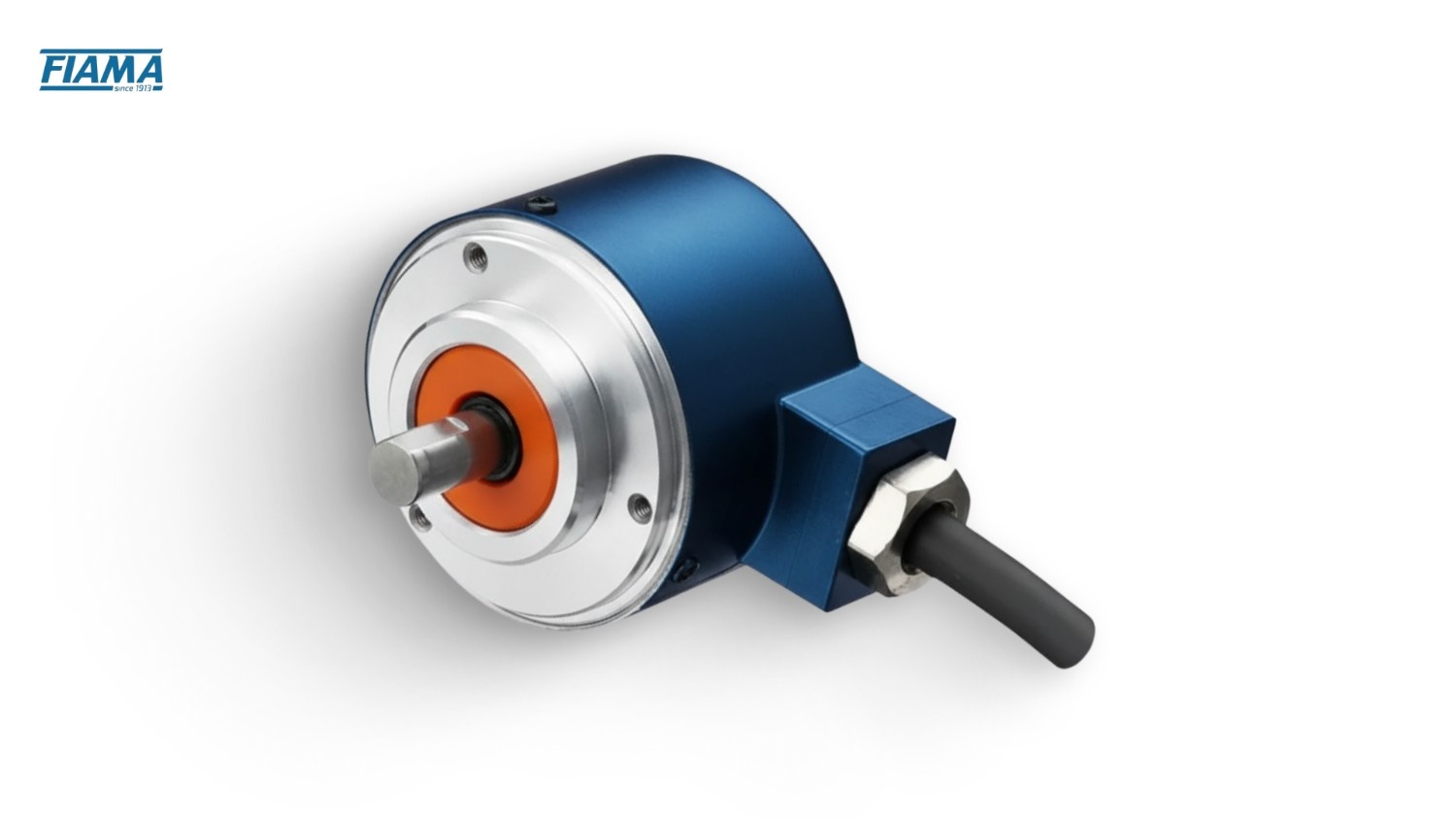
Incremental encoders generate a series of pulses as the shaft rotates, providing relative motion and speed feedback. Packaging lines rely on them for general motion control, where synchronized operation and accurate conveyor indexing are critical.
Key Features:
Relative Position Feedback: Measures changes in position from a reference point, enabling precise speed and motion control in conveyors, rollers, and feeders.
High Responsiveness: Delivers real-time pulses, allowing controllers to react instantly to speed variations or misalignment.
Simple Integration: Compatible with most PLCs and servo drives, making them ideal for standard packaging equipment.
Ideal Use-Case Scenario: High-speed conveyor indexing and general motion feedback for non-critical positioning.
Avoid When: Absolute position retention after power loss is required.
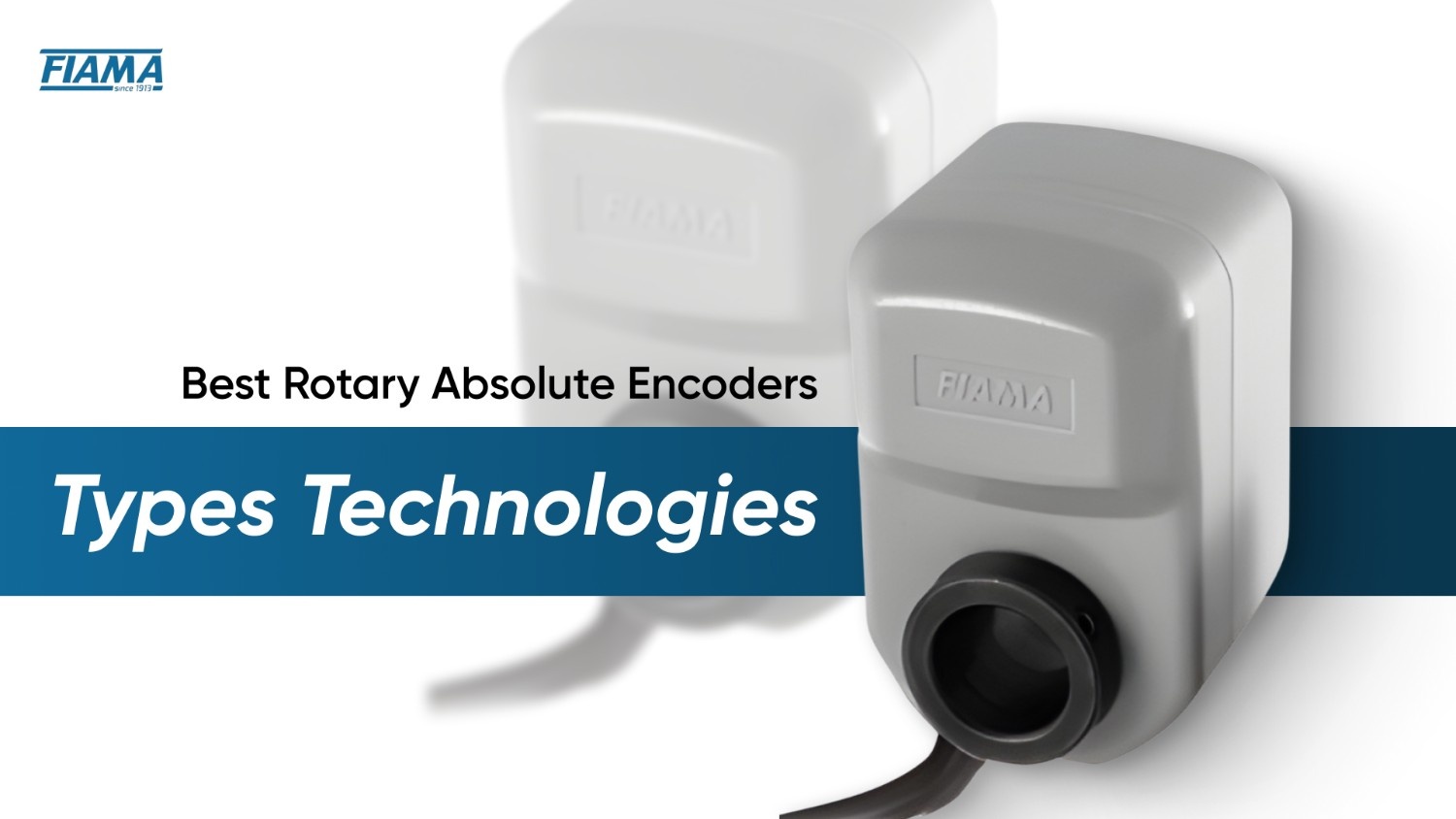
Absolute Encoders
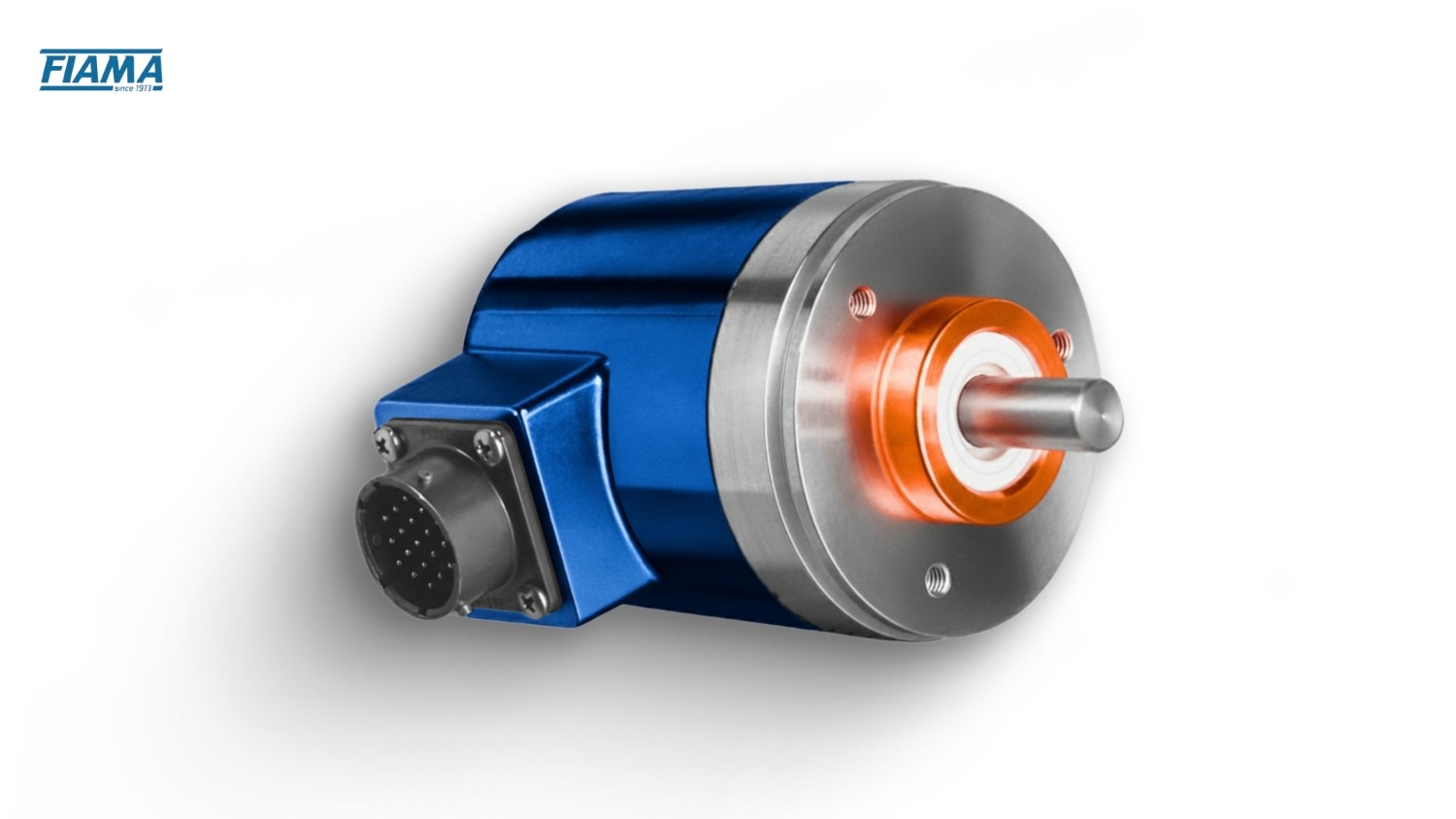
Absolute encoders provide a unique digital value for each shaft position and retain position data even during power interruptions. Packaging machines depend on them for precise referencing, multi-axis motion, and quick recovery after stoppages.
Key Features:
Power-Loss Position Retention: Keeps exact shaft position during power cycles, reducing setup time after stoppages.
High Accuracy: Ideal for applications where precise positioning is critical, such as cut-to-length or multi-head labeling systems.
Multi-Turn Capability: Supports applications that require tracking of multiple rotations for complex packaging machinery.
Ideal Use-Case Scenario: Multi-axis labeling or cut-to-length applications where quick restart is critical.
Avoid When: High-speed, low-cost feedback is sufficient and absolute tracking is unnecessary.
Optical Encoders
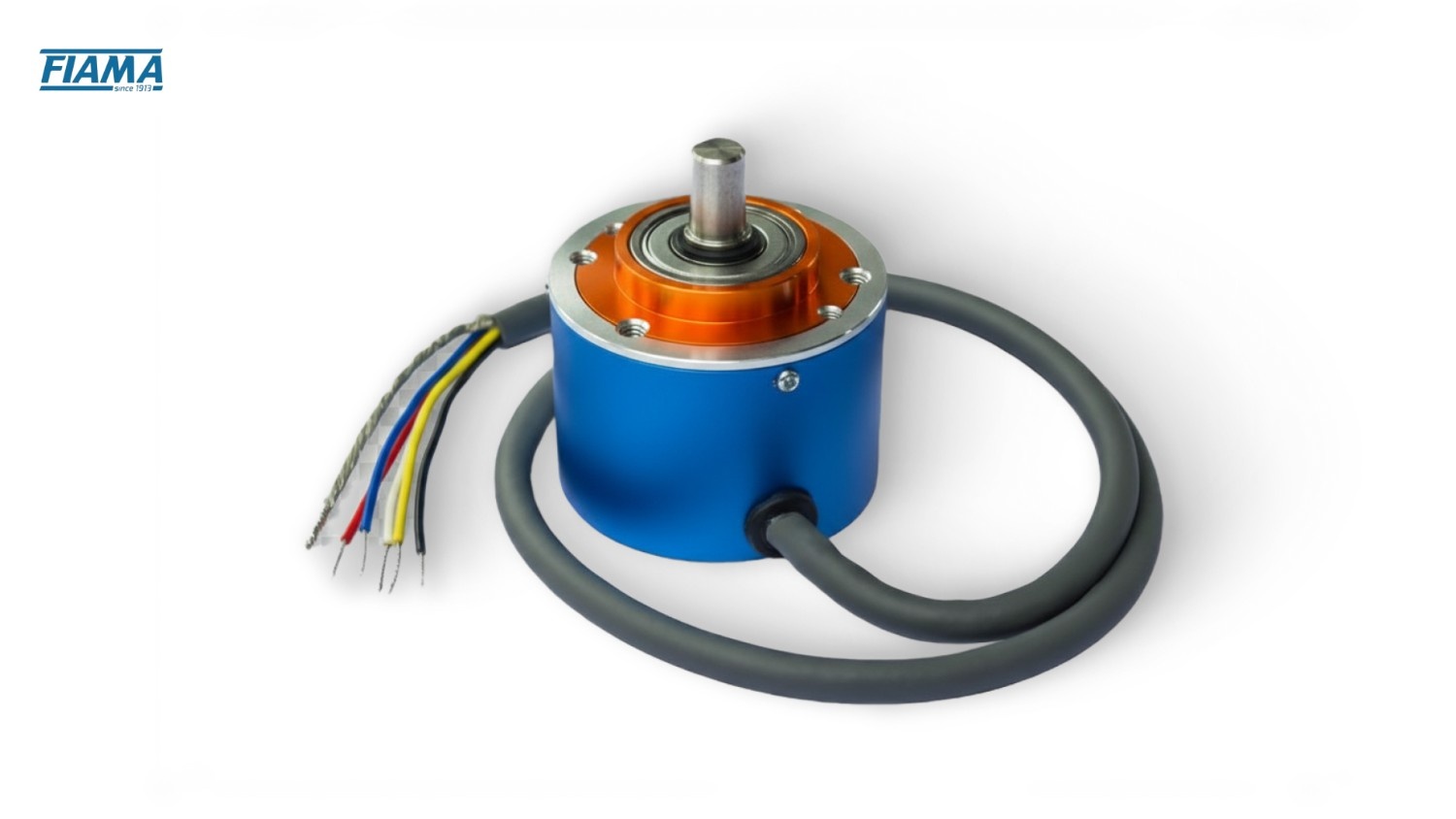
Optical encoders detect rotation with high precision using light-based sensing. Applications that demand fine resolution and smooth motion control, such as film registration, printing alignment, or delicate labeling tasks, benefit the most from them.
Key Features:
High Resolution: Provides precise position detection down to fractions of a degree, ensuring accurate cuts and print alignment.
Smooth Motion Tracking: Minimizes jitter and improves control for high-speed, delicate packaging processes.
Signal Reliability: Produces clear, consistent signals ideal for closed-loop control in complex machinery.
Optical encoders excel in high-precision tasks, ensuring accurate registration and smooth motion in sensitive packaging operations.
Magnetic Encoders
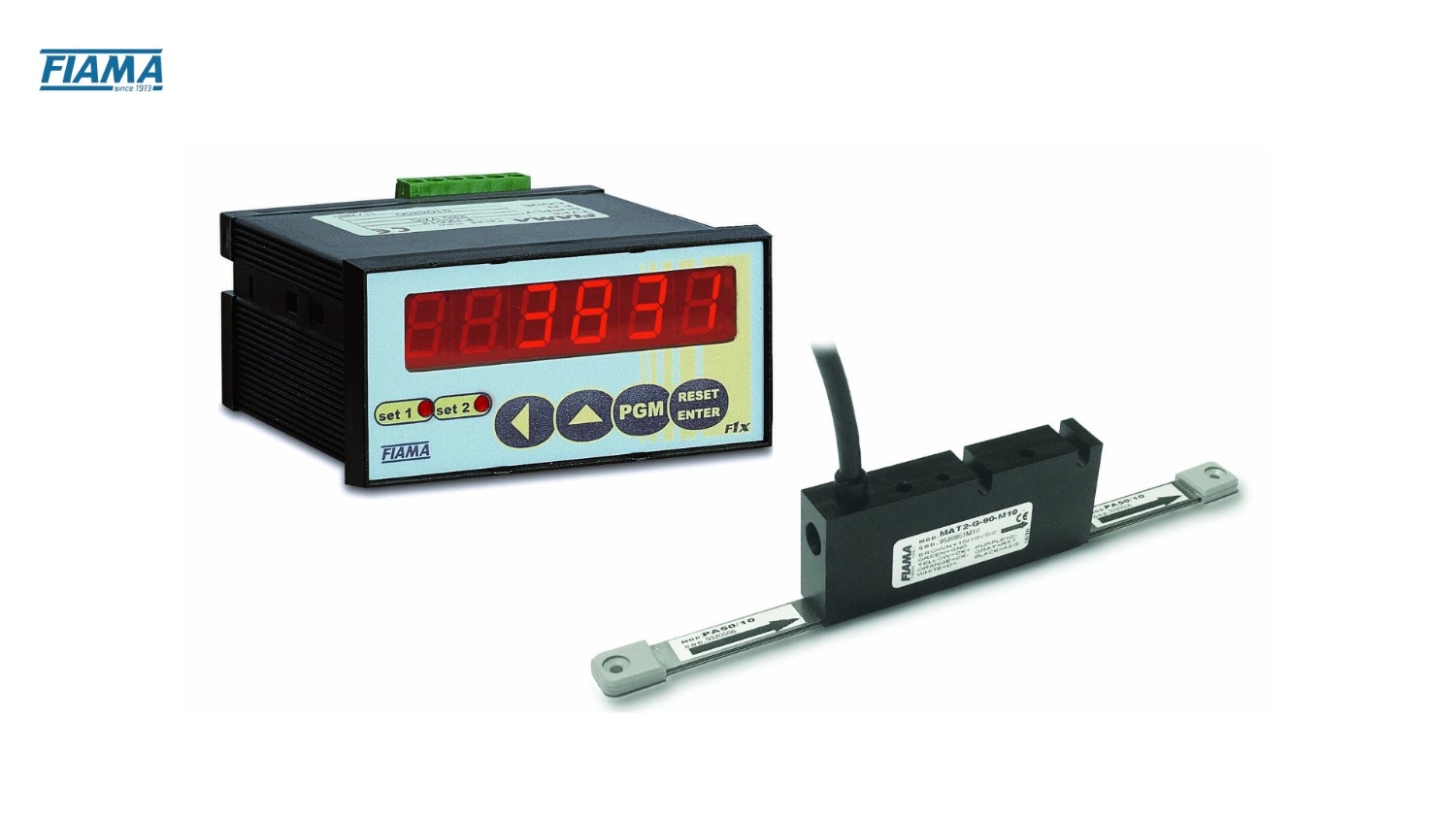
Magnetic encoders use a magnetic field to determine shaft position and rotation, making them highly resistant to dust, moisture, and vibration. They are particularly suitable for harsh packaging environments, including food, beverage, and pharmaceutical lines.
Key Features:
Environment Resistant: Performs reliably in dusty, wet, or high-vibration settings common in industrial packaging.
Long-Term Stability: Magnetic sensing reduces wear and extends maintenance intervals.
Compact Design: Fits into smaller spaces without compromising durability, ideal for retrofit or tight-layout machinery.
Ideal Use-Case Scenario: Washdown food packaging lines or high-vibration conveyor drives.
Avoid When: Ultra-high resolution is required for fine cut-to-length or registration applications.
For example, Magnetic encoders (absolute and incremental) from Fiama offer robust rotary and linear solutions suitable for industrial packaging.
Hollow-Shaft and Solid-Shaft Encoders
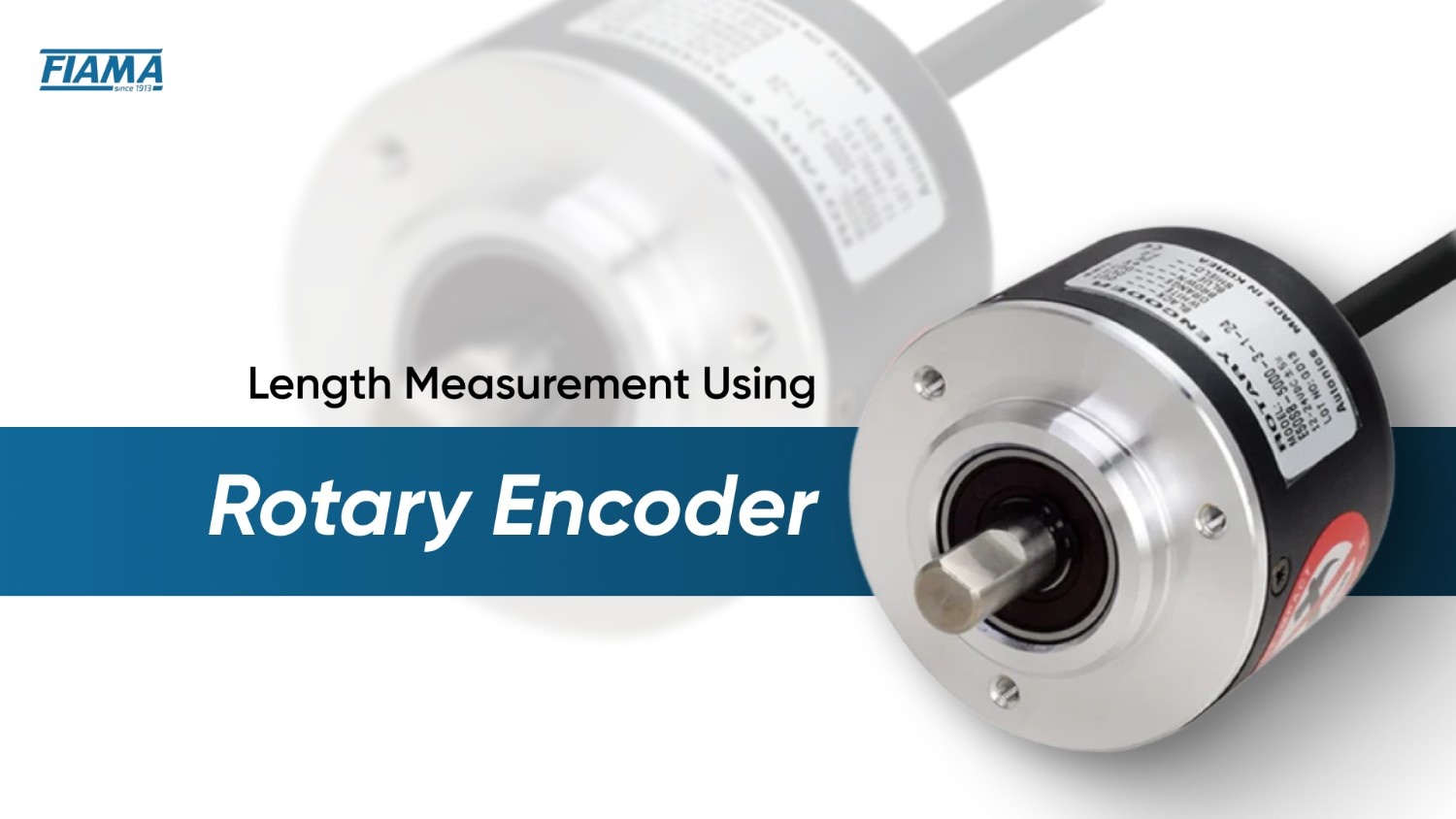
Hollow-shaft and solid-shaft encoders differ in mounting and mechanical coupling. Hollow-shaft encoders mount directly onto existing shafts, reducing alignment issues, while solid-shaft encoders use couplings for high-torque or retrofit applications.
Key Features:
Hollow-Shaft Simplicity: Direct mounting reduces alignment issues and installation complexity, saving setup time.
Solid-Shaft Stability: Offers precise mechanical coupling for applications demanding high torque or extended life.
Flexible Integration: Both types are available in incremental, absolute, optical, or magnetic variants, ensuring compatibility with various packaging equipment.
Ideal Use-Case Scenario: Hollow-shaft for retrofit conveyor rollers; solid-shaft for motor-coupled axes.
Avoid When: The shaft size or torque requirements do not match the encoder type.
Choosing between hollow-shaft and solid-shaft encoders ensures mechanical stability and smooth integration, supporting reliable performance across diverse packaging applications. Next, let's see how to choose the right encoder for your specific packaging line.
Selecting the Right Encoder for Packaging Equipment
Choosing the right encoder involves evaluating both the application demands and the operating environment. A systematic approach helps you reduce risk and ensures long-term reliability.

Below is a structured way to evaluate encoder suitability.
Define Motion Requirements: Determine speed, accuracy, and synchronization needs. This helps you match the encoder resolution and output to your line’s performance goals.
Assess Environmental Conditions: Consider dust, moisture, vibration, and washdown exposure. Magnetic or high-IP encoders often handle harsh packaging environments better.
Evaluate Mechanical Fit: Check space constraints, shaft alignment, and mounting options. Ensuring proper installation reduces errors and minimizes maintenance.
Check Integration Needs: Confirm PLC compatibility, connector type, and cable routing. Correct integration prevents delays during commissioning and keeps operations smooth.
Plan for Maintenance: Consider access for adjustments and frequency of product changeovers. Choosing robust, easy-to-install encoders helps avoid operational interruptions.
In the following section, let's explore the latest innovations shaping smarter, more resilient packaging solutions.
Latest Trends and Advancements in Rotary Encoder Technology for Packaging
Packaging demands continue to evolve. New encoder technologies support higher speeds, improved environmental resistance, and simplified integration.
Here are the major trends and innovations shaping rotary encoders in packaging:
IO-Link Smart Encoders: Deliver position feedback along with diagnostics like temperature and vibration, enabling predictive maintenance and faster changeovers.
Field-Programmable Encoders: Allow on-site adjustment of pulses, zero points, and direction, reducing setup time and inventory needs.
Compact and Modular Designs: Slim, modular encoders fit into tight machine geometries, simplifying installation and integration.
Washdown-Capable Encoders: Built for IP67+ environments, these encoders resist dust, moisture, and cleaning processes common in food and pharma packaging.
Power-Fail Position Retention: Absolute encoders maintain shaft position during power loss, eliminating the need for homing routines and reducing downtime.
Multi-Turn Absolute Encoders: Track multiple revolutions for long-shaft applications, ensuring consistent measurement across repeated rotations.
Improved Integration with Control Systems: Modern encoders communicate easily with PLCs and drives, supporting faster commissioning, diagnostics, and synchronized operation.
These trends make encoders more intelligent, robust, and adaptable than ever.
How Fiama Encoder Solutions Enhance Packaging System Performance?
Fiama designs and manufactures encoders engineered for packaging environments where accuracy, uptime, and durability matter. Their products balance precision with rugged construction, making them suitable for both high-speed and harsh-condition applications.
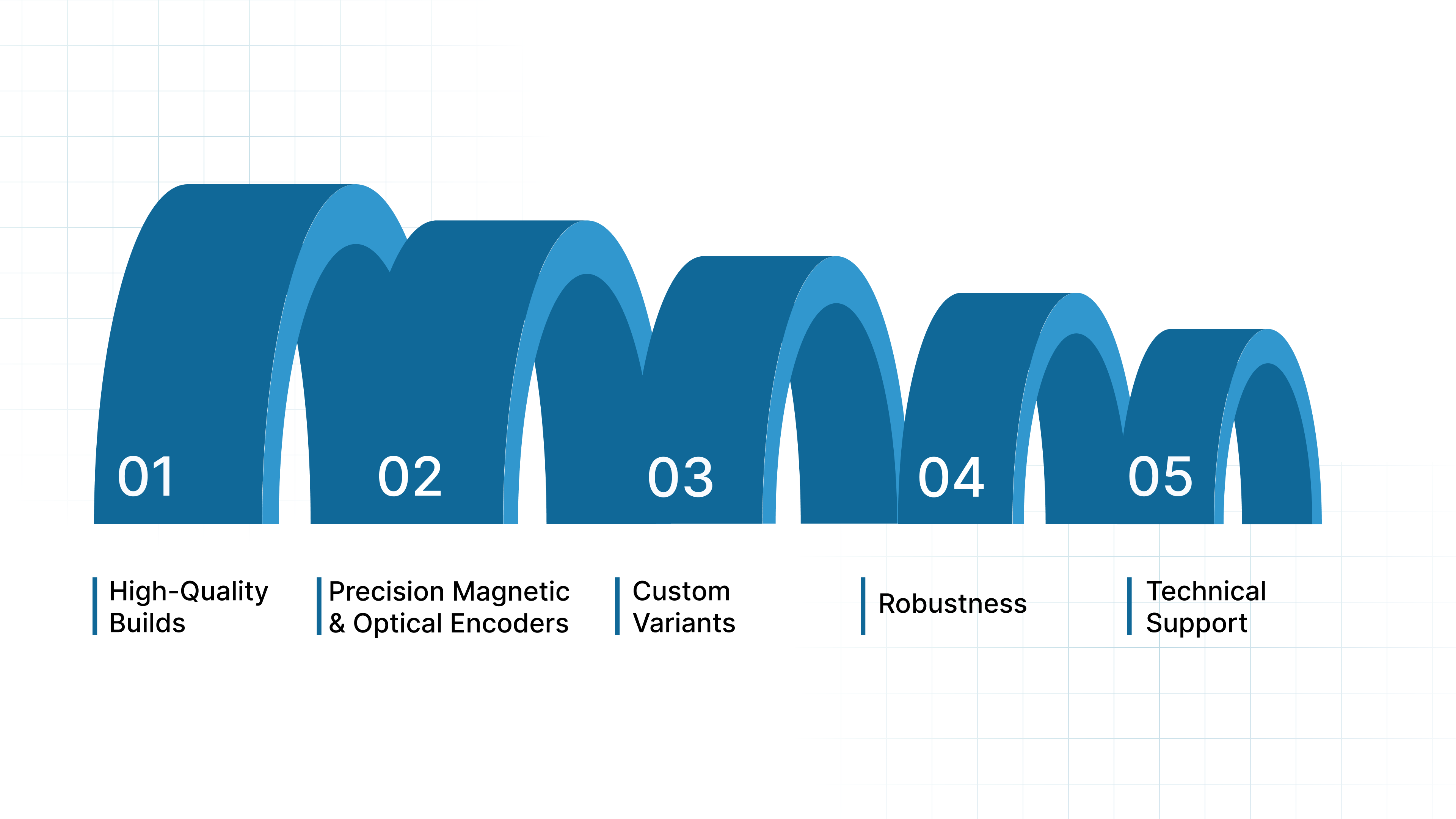
Here’s how we can support you:
High-Quality Builds: With over 100 years of design and manufacturing experience in Italy, Fiama maintains tight control over materials and assembly, ensuring long-term reliability under demanding conditions.
Durable Metal Housings: Fiama encoders use rugged metal enclosures that withstand industrial vibration, dust, and occasional washdowns, ensuring longer operational cycles with minimal maintenance.
Custom Stroke Lengths and Bore Options: From draw wire encoders measuring 50 mm to 12,000 mm to hollow shaft versions with bores from 6 mm to 35 mm, Fiama provides flexibility to fit diverse machine geometries and packaging line requirements.
Custom Variants: Because Fiama manufactures in-house, they can design custom encoder variants (e.g., bore size, mounting, signal type) tailored for specific packaging processes or OEM machines.
Robustness: Encoders designed for industrial environments, including vibration resistance and possibly high IP ratings, help minimize failure risk and maintenance.
Technical Support: Fiama’s degreed engineers (with no quotas or sales pressure) help integrate encoder feedback loops that impact KPIs such as uptime, scrap, and throughput.
With these capabilities, Fiama helps packaging plants maintain stable production, reduce scrap, and enhance machine reliability over long periods.
Conclusion
Rotary encoders represent a foundational technology for modern, high-performance packaging machinery. By converting motion into actionable feedback, they enable packaging systems to be more precise, more stable, and more responsive, directly improving uptime, reducing scrap, and optimizing throughput.
Choosing a reliable, application-focused encoder solution helps maintain equipment stability and simplifies day-to-day operations. Working with experienced manufacturers like Fiama ensures better engineering alignment and long-term support.
If you want to discuss the right encoder solution for your packaging equipment needs, contact us today.
FAQs
1. How do rotary encoders help maintain web tension in flexible packaging materials?
Rotary encoders monitor the rotation speed of rollers in real-time, providing precise feedback to control systems. This ensures consistent web tension, preventing stretching, wrinkling, or tearing of flexible packaging materials, and maintaining product quality and smooth line operation.
2. Can rotary encoders ensure precise cut-to-length measurements in packaging lines?
Yes, rotary encoders provide accurate position and speed feedback, allowing packaging machines to cut materials at exact lengths. By synchronising roller rotation with cutting mechanisms, they reduce material waste, enhance consistency, and ensure precise, repeatable cuts throughout high-speed production.
3. How are rotary encoders used for registration mark timing in labeling and imprinting equipment?
Rotary encoders detect the precise rotational position of rollers, enabling equipment to synchronise label placement or printing with registration marks. This ensures accurate alignment, preventing misprints or misplaced labels, even at high speeds, improving product appearance and reducing production errors.
4. How do rotary encoders detect rotational direction and position changes?
Rotary encoders use optical, magnetic, or capacitive sensing to track rotation. Incremental or absolute signals indicate both direction and angular position, allowing control systems to respond instantly to changes, accurately monitoring speed, movement, or positioning in machinery.
5. What maintenance or calibration is required for rotary encoders in packaging equipment?
Regular maintenance includes cleaning sensors, checking alignment, and inspecting wiring for wear. Calibration may involve verifying signal accuracy, resetting zero positions, or testing feedback with control systems. Proper maintenance ensures reliable performance, reduces downtime, and extends the encoder’s operational life.