Imagine losing up to a fifth of your plant’s productivity not because of a supply‑chain disruption or labor shortage but because a single valve failed to report its position accurately. That’s not alarming: industry data shows that unplanned downtime due to equipment failures costs manufacturers 5-20% of total output.
In automated facilities, whether chemical plants, water‑treatment systems, oil & gas refineries, or pharmaceutical lines, valve position indicators are the silent sentinels guarding smooth operation. When functioning correctly, they supply real‑time feedback to control systems, ensuring that flows, pressures, and processes stay within safe, optimal limits.
But when these indicators are neglected through skipped calibration, worn mechanical parts, environmental exposure, or simple wear and tear, they become a hidden liability. A single wrong reading can trigger misaligned flow, process disruptions, safety hazards, or worse.
We'll walk you through what valve position indicators are, why maintenance matters, practical upkeep steps, and how to integrate them effectively within modern control systems.
In a nutshell:
Unplanned Downtime Costs: Unplanned downtime can cost up to 5-20% of total plant productivity, often caused by issues like faulty valve position indicators.
Accurate Feedback: Valve position indicators provide real-time data to control systems (PLCs, SCADA), ensuring smooth operations, accurate flow control, and preventing disruptions.
Impact of Neglect: Poor maintenance of valve position indicators can lead to inaccurate readings, system inefficiency, and safety risks, resulting in costly downtime and repairs.
Maintenance Best Practices: Routine inspections, calibration, lubrication, and environmental protection can extend the lifespan of valve position indicators and prevent failures.
Smart Positioners: IoT-enabled smart positioners support predictive maintenance, reduce downtime, and enable remote diagnostics for efficient troubleshooting and cost reduction in high-risk industries.
What Are Valve Position Indicators?
Valve position indicators are devices that provide real-time feedback on the position of a valve. These indicators are essential for monitoring whether a valve is fully open, fully closed, or somewhere in between. They’re used in automated control systems (e.g., PLCs and SCADA) to help operators monitor valve status in complex processes, ensuring system reliability, safety, and efficiency.
Mechanical Indicators: Use a mechanical pointer or flag to indicate the valve’s position.
Electronic Indicators: These use sensors (such as potentiometers or Hall effect sensors) to provide a digital output of the valve’s position.
Smart Valve Positioners: Equipped with IoT capabilities for predictive maintenance and remote monitoring.
These indicators help ensure valves are correctly positioned, enabling precise flow control, pressure regulation, and system integrity.
Why Proper Maintenance is Critical for Valve Position Indicators?
Without regular maintenance, valve position indicators can develop issues that lead to inaccurate readings, delayed responses, and potential safety hazards. Poorly maintained indicators can also result in downtime and costly repairs.
Consequences of Poor Maintenance:
Loss of system accuracy: Inaccurate readings can lead to improper valve positions, affecting the entire system.
Increased downtime: A failure to detect malfunctions early can lead to longer downtime.
Safety risks: Malfunctioning indicators can lead to hazardous conditions, especially in critical applications such as oil and gas or chemical processing.
Routine maintenance prevents these issues and ensures smooth operation.
Maintenance Best Practices for Valve Position Indicators
Proper maintenance extends the lifespan of valve position indicators and ensures their continued accuracy. Consistent upkeep is essential to avoid costly failures and maintain optimal performance. Neglecting regular maintenance can lead to inaccurate readings, poor system integration, and unexpected downtime.
By following a proactive maintenance schedule, you can ensure your valve position indicators operate as intended, reduce the likelihood of emergency repairs, and ultimately save on operational costs.
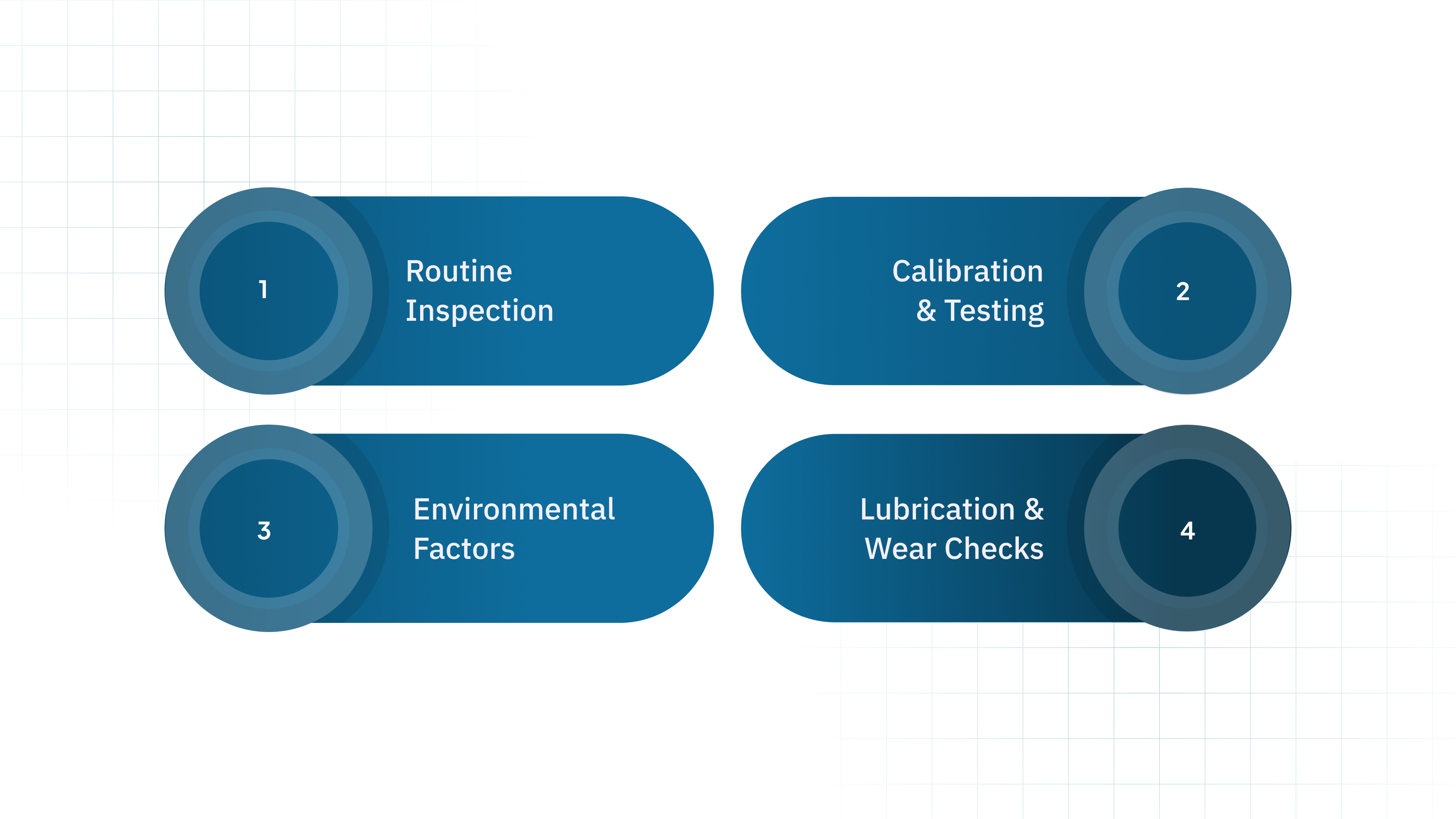
Here are key maintenance practices to follow:
Routine Inspection
Regularly inspect mechanical parts for wear and tear. Check for any physical damage, such as cracks, corrosion, or improper sealing. Ensure that the indicator is correctly mounted and aligned with the valve.Calibration and Testing
Calibration is essential to ensure that the valve position indicator provides accurate feedback. Perform regular calibration checks to verify the alignment of the position indicator with the valve’s actual position. This should be done at least annually, or more frequently if usage and environment warrant it.Environmental Factors
Consider the operating environment. Excessive vibration, temperature fluctuations, and dust can affect the performance of valve position indicators. Ensure the indicator is housed in a protective environment that mitigates these factors.Lubrication and Wear Checks
Regular lubrication prevents mechanical parts from wearing out prematurely. Follow the manufacturer’s lubrication recommendations and check for signs of friction or wear.
Types of Valve Position Indicators
Valve position indicators come in various types, each designed to meet specific operational needs, levels of automation, and accuracy requirements. Choosing the right type is crucial to ensure optimal performance under different environmental and operational conditions. Here's a breakdown of the most common types of valve position indicators used in industrial systems:
1. Mechanical Valve Position Indicators
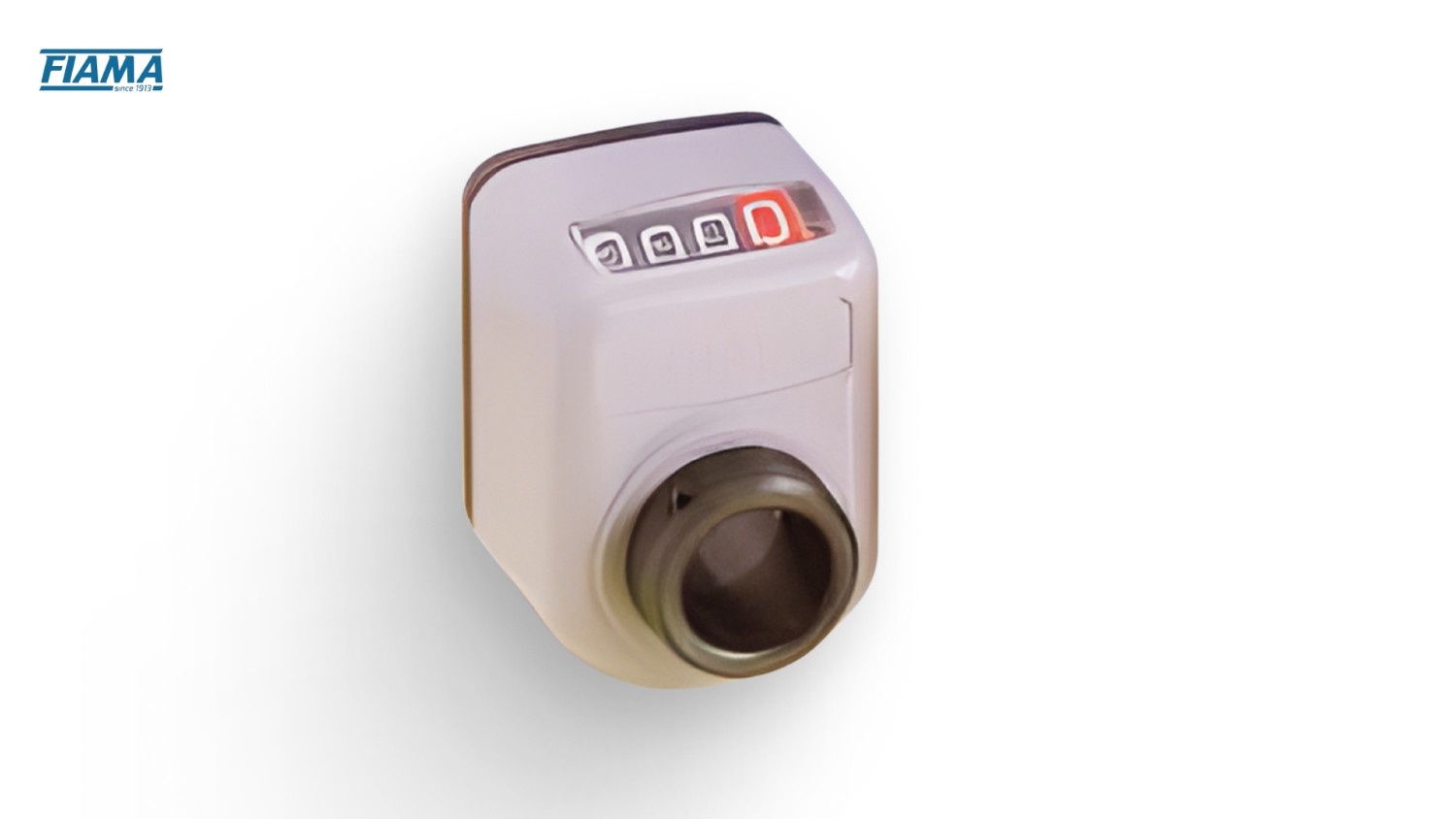
Mechanical valve position indicators are the simplest and most rugged option, using visual markers like flags, dials, or rotary pointers to indicate valve position. These indicators require no power source, making them cost-effective and reliable in basic applications.
Ideal Use-Case: Manual valves where operators need quick visual confirmation of valve status.
Avoid When: Automation integration or remote feedback is required, as these indicators provide only basic visual feedback without real-time data.
Example: Fiama’s Hollow Shaft Position Indicators offer multiple bore sizes (6mm to 35mm) and stainless-steel components, providing durable reliability in industrial environments, especially in non-automated setups.
2. Electrical Valve Position Indicators
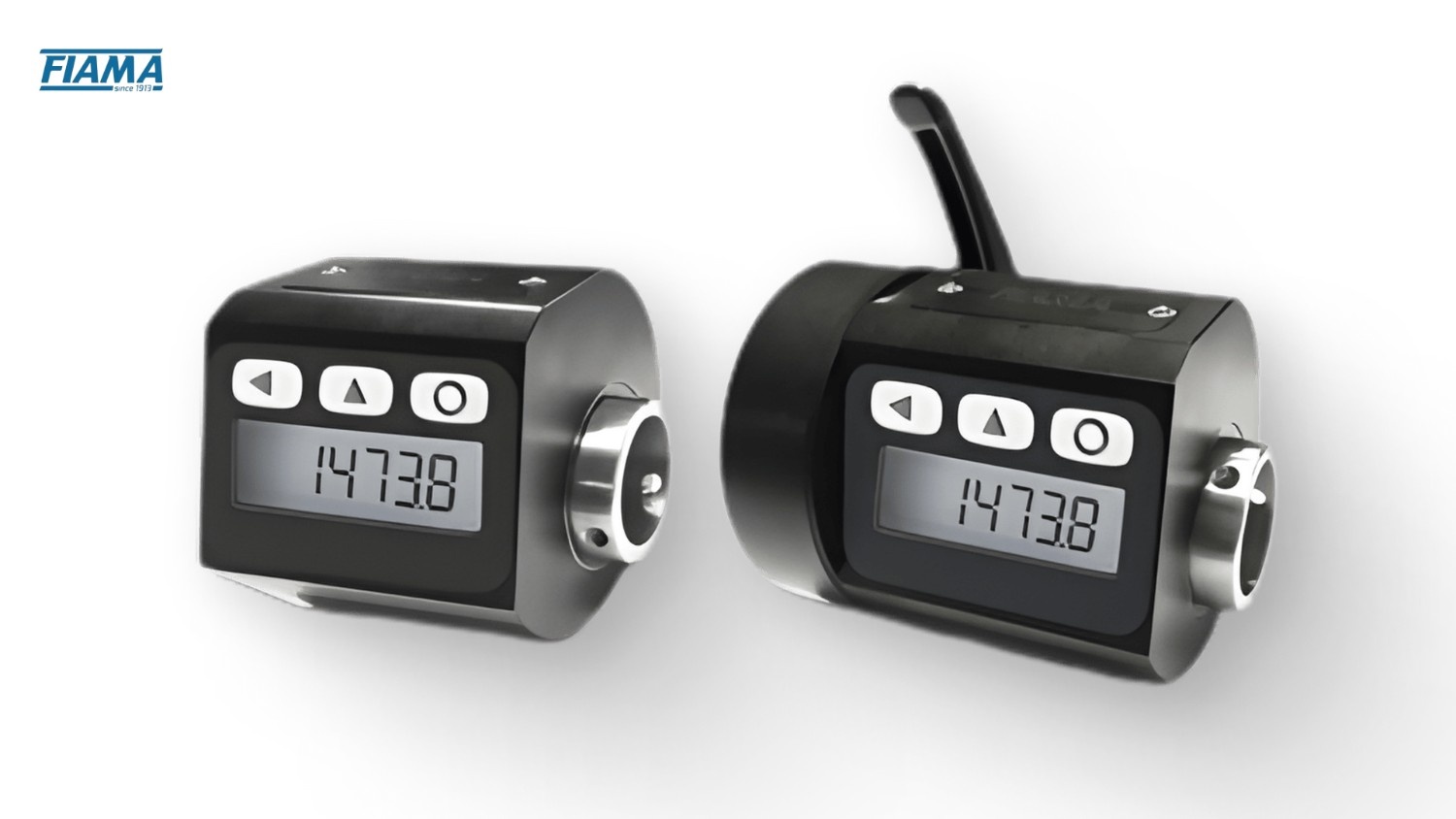
Electrical valve position indicators use limit switches or microswitches to communicate open/closed states to control systems, such as PLCs. These indicators are ideal for simple automation systems that require basic position feedback.
Ideal Use-Case: Basic automation processes needing confirmation signals for valve positions (open or closed).
Avoid When: Continuous or multi-step feedback is needed, as these indicators only provide a binary open/closed status.
3. Proximity and Sensor-Based Indicators
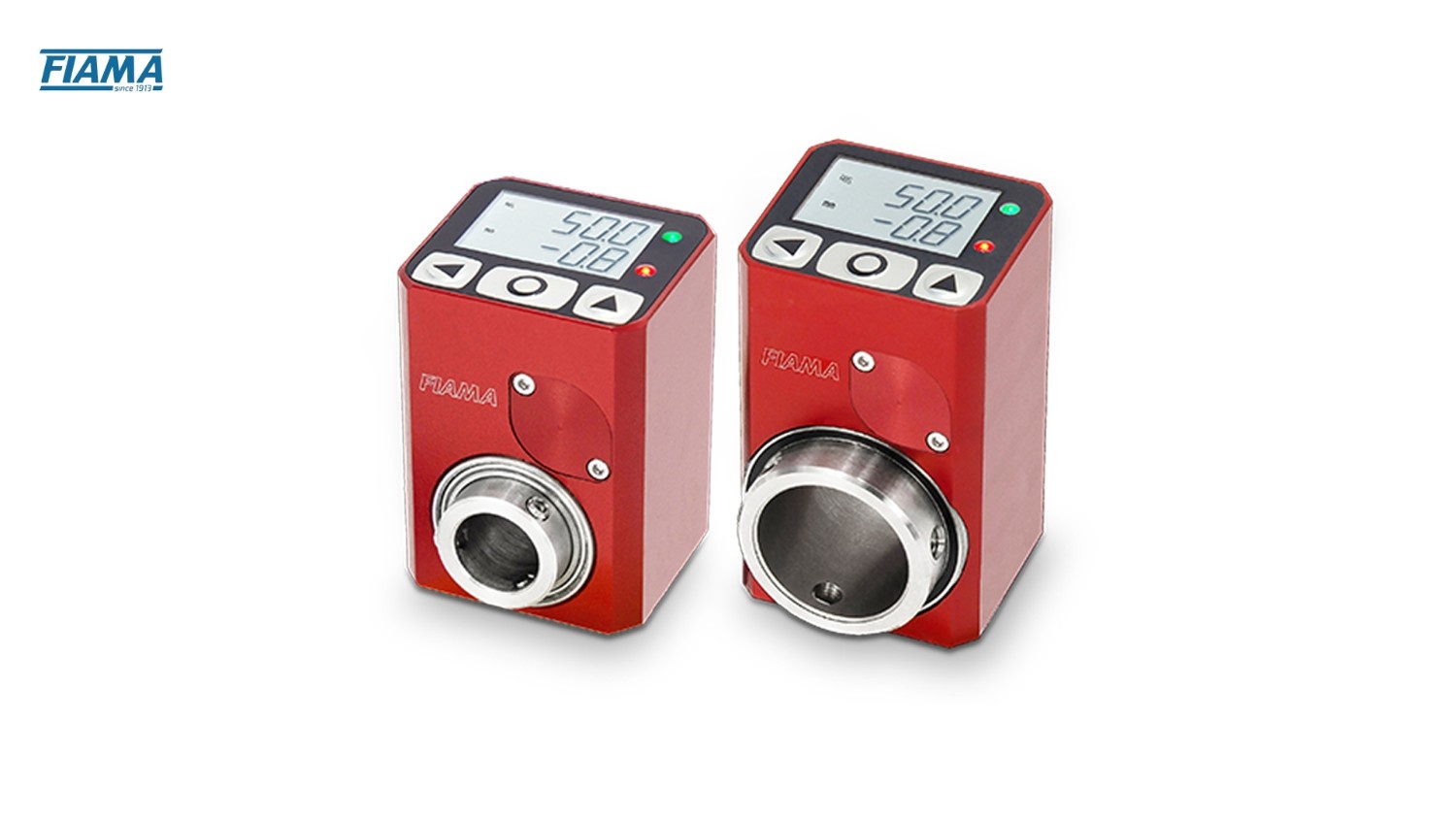
These non-contact valve position indicators use magnetic, inductive, or Hall-effect sensors to detect valve movement. Their high reliability makes them suitable for harsh environments prone to vibration, moisture, or corrosion.
Ideal Use-Case: Harsh environments where the valve is exposed to washdowns, corrosive chemicals, or extreme vibrations.
Avoid When: Only low-cost or basic visual feedback is needed.
Example: Fiama’s Programmable Position Indicators, such as the EP43NET and EP46NET, integrate seamlessly with industrial Ethernet protocols, providing precise valve monitoring while maintaining resilience in demanding industrial environments.
4. Digital / Electronic Valve Position Indicators
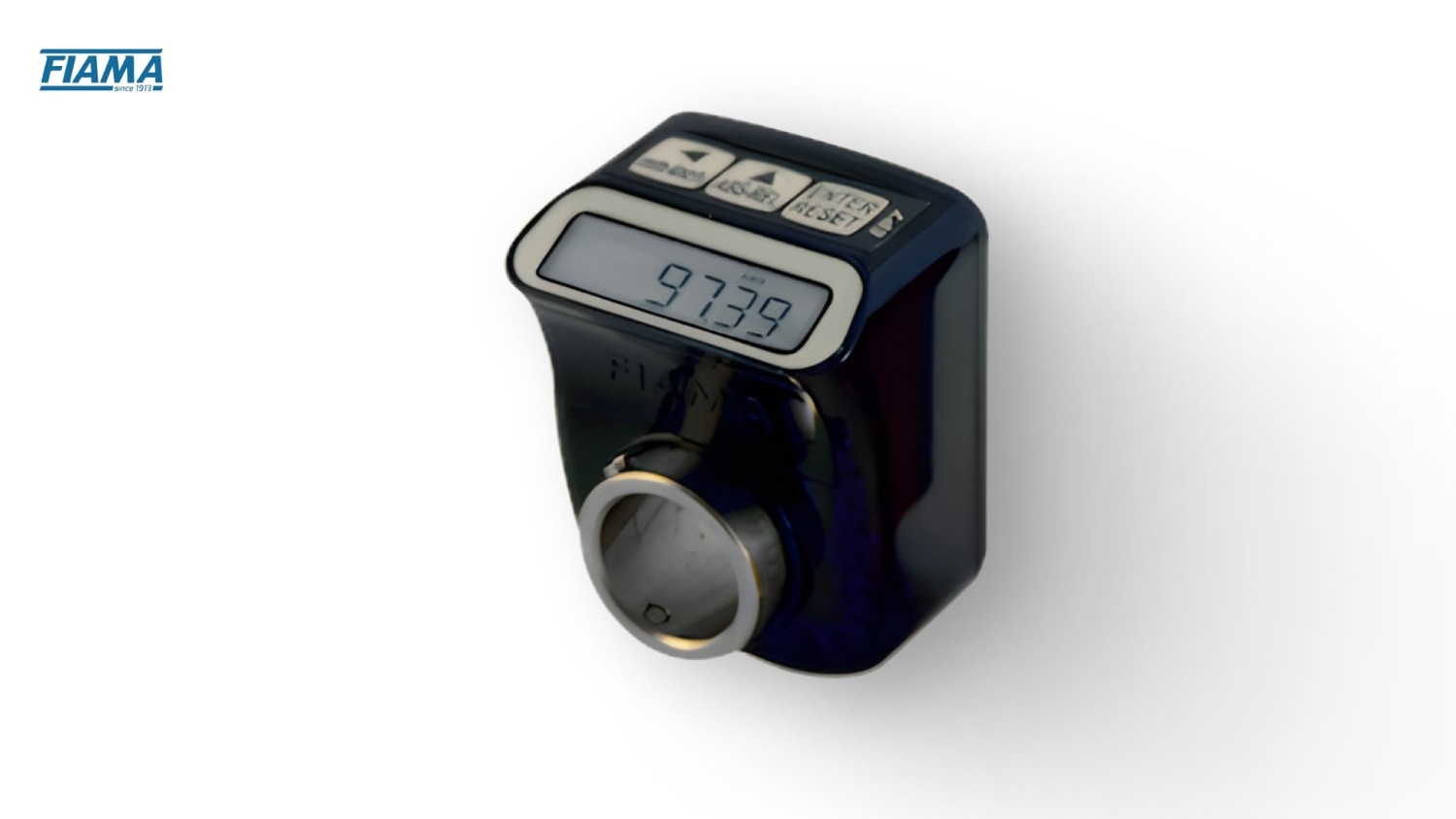
Digital valve position indicators provide continuous, real-time monitoring of valve positions, making them essential for data-driven operations. They integrate well with advanced automation systems and offer detailed feedback, diagnostics, and remote monitoring capabilities.
Ideal Use-Case: Data-centric plants where continuous or multi-position feedback is required for process control and optimization.
Avoid When: Only a simple open/close status is needed, as digital indicators offer much more than just binary feedback.
Example: Fiama’s Battery-Powered Programmable Position Indicators like the EP7 and EP9L allow both linear and rotary measurements with excellent battery life, providing reliable valve feedback even in remote or off-grid industrial environments.
5. Integrated Valve Monitoring Units
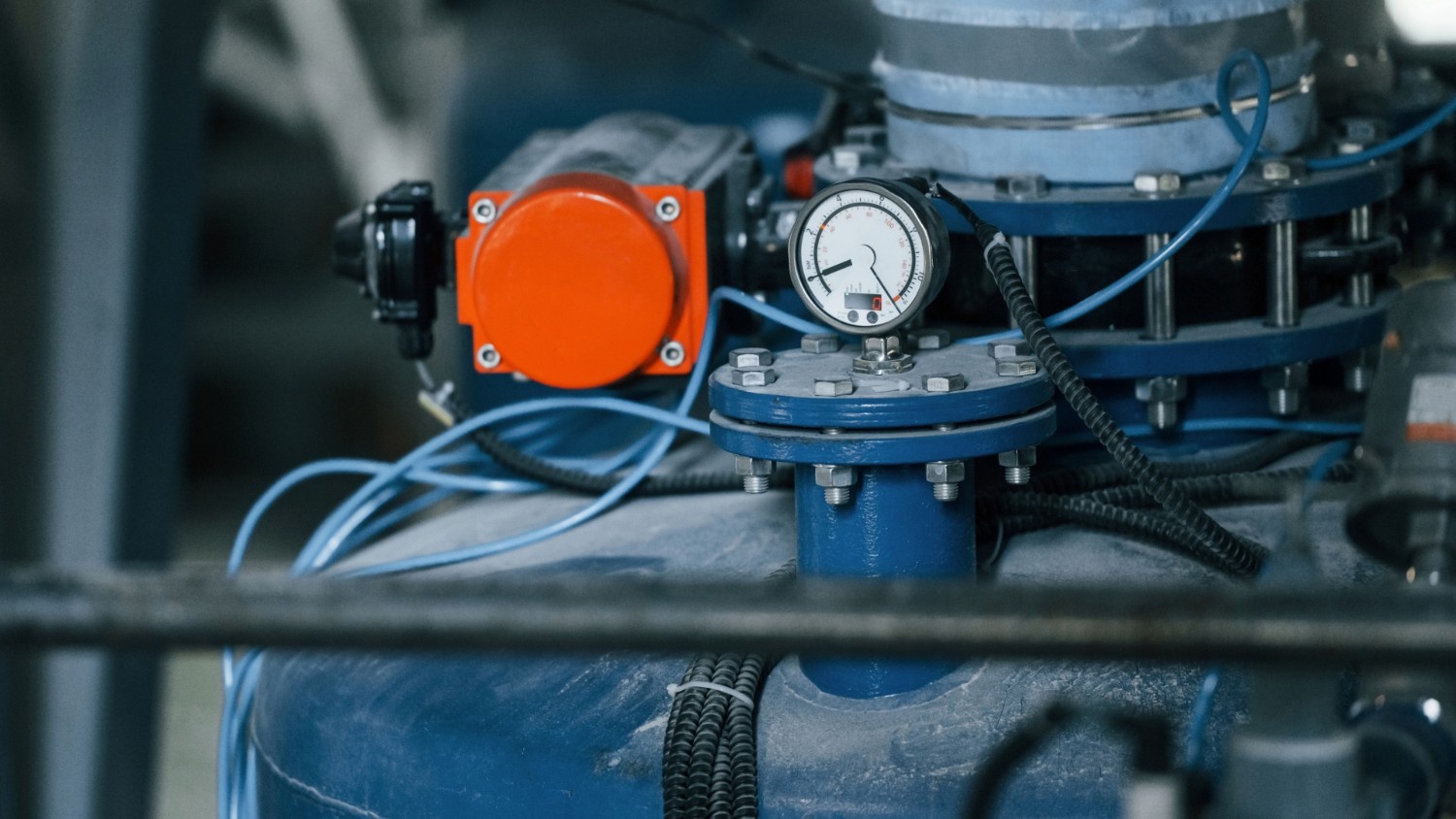
Integrated valve monitoring units combine mechanical, sensor-based, and digital outputs into a single, streamlined unit. These systems simplify installation and provide multi-level feedback, making them suitable for complex valve systems in highly automated environments.
Ideal Use-Case: Complex valve systems in automated plants where multi-output feedback (e.g., open, closed, and intermediate positions) is needed.
Avoid When: Simple position indication (open/close) suffices, as integrated systems are typically more expensive and complex.
Troubleshooting Valve Position Indicators
If your valve position indicator is malfunctioning, troubleshooting is often the first step before opting for replacements. Here’s a basic guide for troubleshooting:
No Signal
Potential Cause: Loose connections, faulty wiring, or power issues.
Solution: Check the connections and ensure the device is powered correctly.
Inaccurate Readings
Potential Cause: Calibration issues or physical obstruction.
Solution: Recalibrate the indicator and inspect the valve and indicator for obstructions.
Mechanical Failures
Potential Cause: Worn-out gears or components.
Solution: Inspect and replace worn parts or lubricate the components as necessary.
If basic troubleshooting doesn’t resolve the issue, consult with an expert or replace the faulty parts to ensure system integrity.
Integrating Valve Position Indicators with Control Systems
Valve position indicators (VPIs) play a crucial role in automated control systems, providing real-time feedback to Programmable Logic Controllers (PLCs) and Supervisory Control and Data Acquisition (SCADA) systems. This integration ensures operators can continuously monitor valve positions and, if necessary, make remote adjustments to optimize performance.
Accurate Feedback for Seamless Control:
Accurate data from valve position indicators helps prevent operational interruptions by ensuring valves are correctly positioned, enabling smooth, efficient process control. With real-time feedback, operators can quickly detect any discrepancies in valve position and adjust them to prevent downtime or inefficiency.Real-World Example:
In a chemical plant, for example, a PLC can receive feedback from a valve position indicator and use that data to automatically adjust the flow rate, maintaining the desired pressure levels. This closed-loop feedback system improves process efficiency, reduces human intervention, and enhances overall safety by ensuring that the process operates within the intended parameters.
Technological Advances in Valve Position Indicators
With advancements in the Internet of Things (IoT), valve position indicators have become smarter and more capable. These innovations are transforming the way valve position monitoring is carried out across industries.
Predictive Maintenance:
Modern smart positioners now support predictive maintenance, allowing for continuous monitoring of valve behavior and early detection of potential issues. These systems send alerts before a problem arises, which allows operators to act proactively, reducing the risk of unplanned downtime. This is particularly beneficial in high-risk industries like oil and gas, where downtime can be extremely costly.Remote Diagnostics and Troubleshooting:
Another key advantage of smart positioners is their ability to provide remote diagnostics. These advanced positioners enable quicker troubleshooting by providing detailed, real-time data that can be analyzed remotely, minimizing the need for on-site intervention. This ability to troubleshoot remotely not only speeds up maintenance but also reduces overall maintenance costs and improves system efficiency.
By integrating advanced valve position indicators with control systems, industries can benefit from enhanced process control, reduced downtime, and more efficient maintenance operations.
How Fiama Has Helped with Valve Position Indicator Maintenance?
Fiama provides reliable, accurate valve position indicators that help industries avoid costly downtime and maintain operational efficiency. By integrating these advanced indicators with control systems, Fiama supports industries such as oil and gas, water treatment, chemical processing, and pharmaceuticals to ensure seamless process control and safety.
Fiama’s Approach to Valve Position Indicator Maintenance
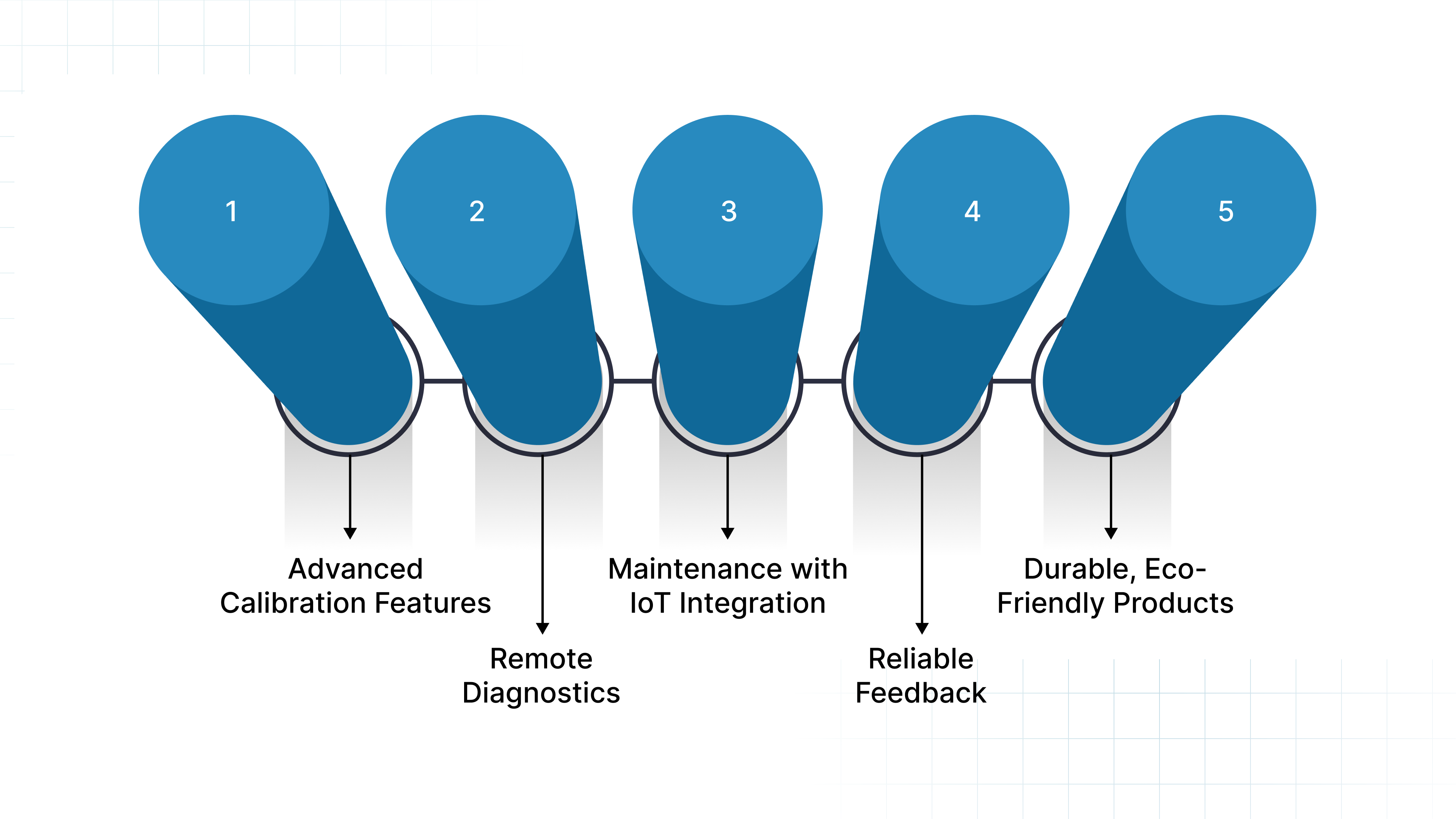
Advanced Calibration Features: Fiama’s smart positioners offer easy calibration adjustments and continuous IoT-enabled monitoring, allowing for real-time data to anticipate and prevent issues before they disrupt operations.
Remote Diagnostics and Troubleshooting: With remote diagnostics, Fiama’s systems let operators resolve issues quickly without on-site intervention. This reduces downtime and minimizes operational costs.
Predictive Maintenance with IoT Integration: Fiama’s IoT-enabled indicators enable predictive maintenance by tracking valve behavior and sending alerts for early signs of malfunction, preventing unplanned downtime.
Reliable Feedback and Control Integration: Fiama’s indicators seamlessly integrate with PLCs and SCADA, ensuring accurate, real-time data for automated control and optimized performance.
Durable, Environmentally Adaptable Products: With IP-rated enclosures and high-quality materials, Fiama’s products withstand harsh environments, ensuring reliability without frequent repairs.
Wrapping Up
Valve position indicators are crucial for accurate system control in automated environments. By following best practices for maintenance, calibration, and troubleshooting, you can ensure optimal performance, reduce downtime, and extend the life of your equipment.
Whether you’re working in a plant, water treatment facility, or oil refinery, maintaining these indicators is vital for efficient, safe operations.
If you're looking to optimize valve position monitoring or improve the reliability of your control systems, reach out to us today to find the perfect indicator solutions tailored to your needs.
FAQs
Q1: Why is regular calibration of valve position indicators necessary?
A: Calibration ensures that the indicator aligns correctly with the valve’s actual position, maintaining accurate feedback to control systems and preventing operational disruptions.
Q2: What are common issues with valve position indicators?
A: Common issues include inaccurate readings, no signal, and mechanical failures like worn-out parts. These issues can be solved through troubleshooting, calibration, and replacement of faulty components.
Q3: How can environmental factors affect valve position indicators?
A: Excessive vibration, temperature fluctuations, and dust can impact performance. Proper housing and regular maintenance can mitigate these environmental factors and ensure long-term reliability.
Q4: What is the role of IoT in modern valve position indicators?
A: IoT-enabled valve position indicators allow for continuous monitoring and predictive maintenance, providing alerts for potential issues and reducing downtime with remote diagnostics.
Q5: How often should I perform maintenance on valve position indicators?
A: Maintenance should be done routinely, with calibration checks annually or more frequently depending on usage. Also, inspect components and perform lubrication as part of preventive maintenance.